






Prediction of Ubiquitination Sites
In post-translational modifications (PTMs) of proteins, ubiquitination is considered one of the most critical processes regulating cellular functions and various diseases. Identifying ubiquitination sites has become crucial for understanding the mechanisms of ubiquitination-related biological processes. Both experimental and computational methods can be used to identify ubiquitination sites based on protein sequences from different species. Experimental methods are time-consuming, labor-intensive, and costly.Computational prediction is a time-saving, simpler, and cost-effective method for identifying ubiquitination sites.
1. Importance
1. Disease Relevance:
Aberrations in the ubiquitination process are closely associated with various diseases, including cancer, neurodegenerative diseases, and inflammatory diseases.
2. Drug Targets:
Understanding ubiquitination sites is significant for developing drugs targeting specific proteins, particularly in cancer treatment.
3. Protein Function Study:
By predicting ubiquitination sites, we can gain deeper insights into the functions and regulatory mechanisms of proteins.
2. Prediction Methods
1. Sequence Feature Analysis:
Analyze protein sequences to identify potential ubiquitination lysine residues (K residues). This can be done by searching for conserved motifs and specific sequence features.
2. Structural Feature Analysis:
If the 3D structure of a protein is known, ubiquitination sites can be predicted by analyzing the accessibility of surface lysine residues and the surrounding structural environment.
3. Machine Learning Methods:
In recent years, more studies have employed machine learning methods to predict ubiquitination sites. These methods typically involve constructing a feature set that includes sequence features, structural features, and other biological characteristics, then using these features to train classifiers (such as support vector machines, random forests, deep learning models, etc.) to distinguish between ubiquitination and non-ubiquitination sites.
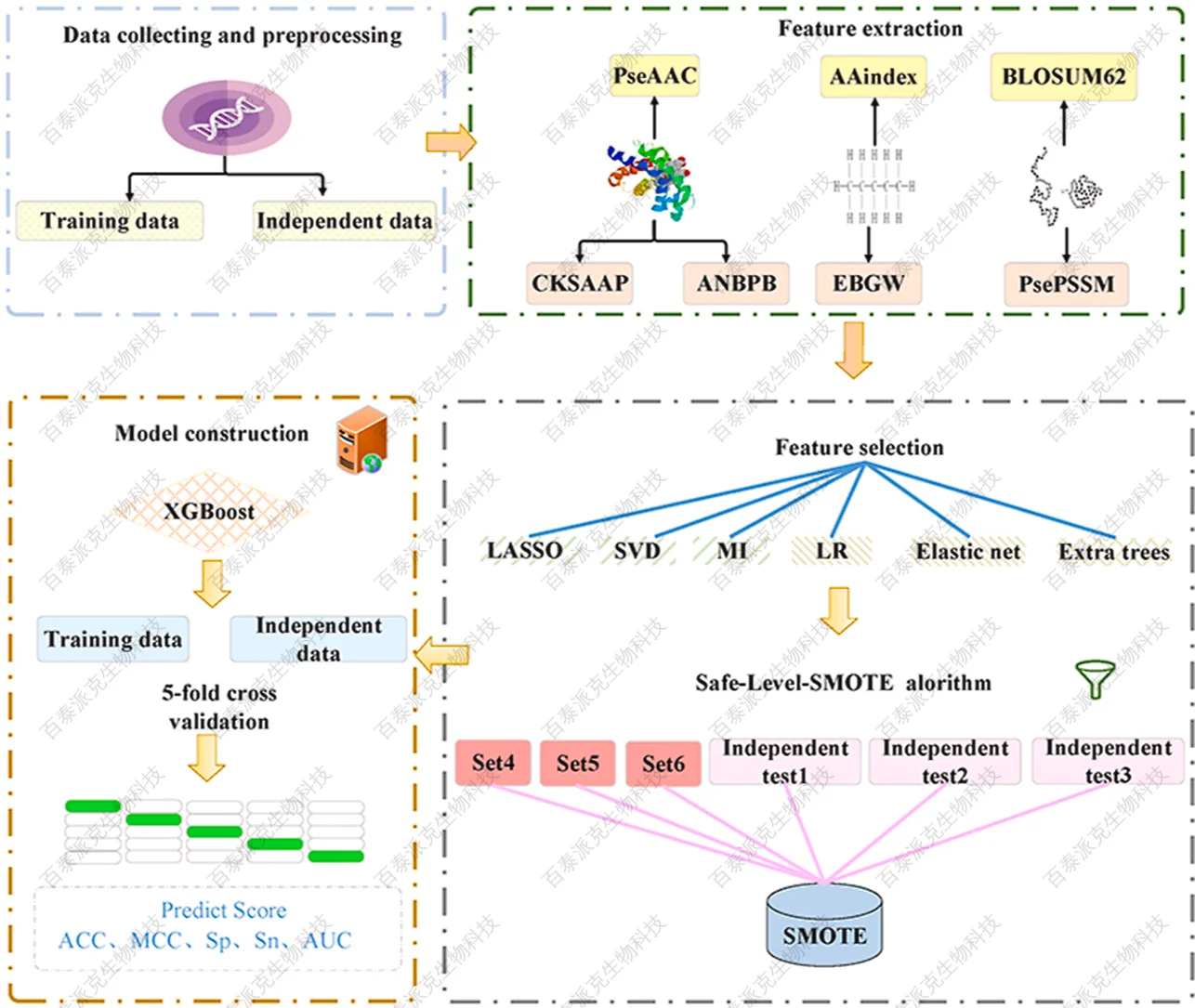
Figure 1. Predicting ubiquitination sites using UbiSite-XGBoost
4. Databases and Tools:
Several databases and online tools have been developed, such as UbPred, UbiSite, and DeepUbi, which can be used to predict ubiquitination sites. These tools generally rely on the aforementioned machine algorithms and offer user-friendly interfaces to help researchers predict ubiquitination sites for specific proteins or proteomes.
In actual research, researchers may need to combine multiple methods and tools to improve the accuracy and reliability of ubiquitination site predictions. Additionally, experimental methods for verifying predicted results (such as mass spectrometry, immunoprecipitation, and immunoblotting) are indispensable parts of the research process.
BiotechPack, A Biopharmaceutical Characterization and Multi-Omics Mass Spectrometry (MS) Services Provider
Related Services:
Quantitative Proteomics for Ubiquitination Studies
Post-Translational Modification Proteomics Analysis
Histone Post-Translational Modification Analysis
Label-Free Quantitative Proteomics Analysis
Label-Based Proteomics Quantification Techniques - iTRAQ, TMT, SILAC
How to order?




