






CUT&Tag Analysis Service
CUT&Tag (Cleavage Under Targets and Tagmentation) is an innovative tool focused on studying DNA-protein interactions, primarily used to identify the binding sites of transcription factors or histone modifications on a genome-wide scale. The CUT&Tag analysis service uses enzyme cutting and transposase tagging technology to precisely locate the binding sites of transcription factors or histone modifications within the genome, aiding in the study of DNA-protein interaction mechanisms and providing precise solutions for genomic and epigenetic research. Its high sensitivity, low background noise, and excellent adaptability to small sample sizes make it stand out in the field of epigenetic research.
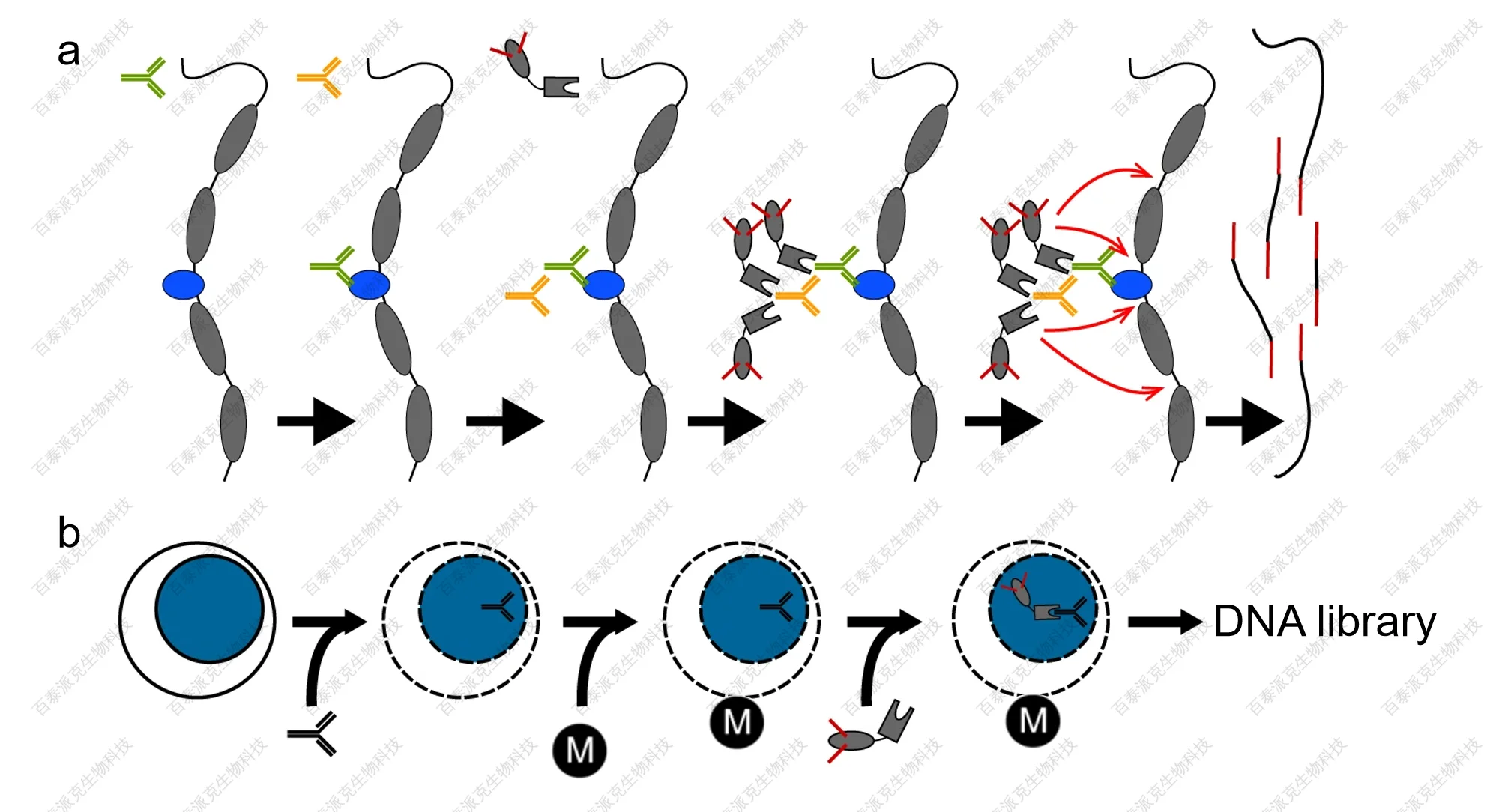
Kaya-Okur, H. S. et al. Nat Commun. 2019.
Principle of CUT&Tag Experiment
In genomics and epigenetics research, exploring the mechanisms of DNA-protein interactions is key to understanding gene regulation. Transcription factors regulate the recruitment of RNA polymerase and the initiation of gene transcription by binding to specific DNA sequences in promoter or enhancer regions, with their binding efficiency determining the spatiotemporal patterns of gene expression. Histones, as core components of chromatin, regulate chromatin openness and DNA accessibility through post-translational modifications (such as acetylation and methylation), thereby affecting the binding of transcription factors to DNA. This binding can either activate gene expression or induce silencing effects. Protein-DNA interaction analysis can elucidate the synergistic effects of transcription factors and histone modifications in gene regulation, providing important clues for revealing epigenetic mechanisms and disease occurrence.
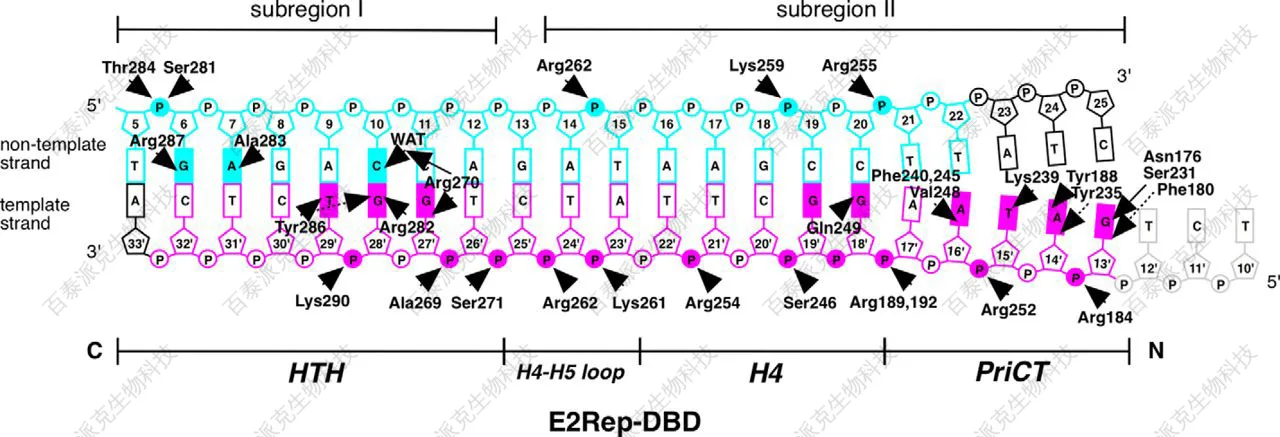
Itou, H. et al. J Biol Chem. 2015.
Protein-DNA Interactions Observed in Crystal Structures
CUT&Tag uses Protein A/G-Tn5 fusion proteins to directly bind target proteins, eliminating the cross-linking step of traditional methods, significantly reducing background noise, and achieving high-resolution detection of binding sites. Compared to traditional ChIP-seq technology, CUT&Tag is more suitable for small samples, especially in studies of histone modifications and transcription factor binding sites, showing excellent performance and serving as a powerful tool for uncovering gene regulatory mechanisms, offering efficient solutions for disease research and drug development.
The CUT&Tag analysis service provided by Berry Genomics relies on an advanced Protein A/G-Tn5 fusion protein system and high-throughput sequencing platform, focusing on analyzing protein-DNA interactions, particularly the genome-wide distribution of transcription factor binding sites and histone modifications. Our services cover the entire process from sample preparation, sequencing, to data analysis, offering comprehensive genome annotation, functional analysis, and pathway analysis, helping clients accurately reveal gene regulatory networks, and providing efficient solutions for epigenetic research, disease research, and new drug development.
1. Sample Processing and Bead Binding
Use ConA beads to bind glycoproteins on the cell membrane to extract nuclei or directly use nuclear samples. Meanwhile, permeabilize the cell membrane using digitonin to enhance nuclear membrane permeability, creating conditions for subsequent antibody binding.
Primary and Secondary Antibody Binding
Add specific antibodies (primary antibodies) against the target protein and incubate (e.g., α-H3K27me3 as a positive control, isotype control IgG as a negative control), then wash to remove nonspecific binding. Add secondary antibodies to ensure the antibody complex successfully binds to the target region.
Protein A/G-Tn5 Transposome Binding
Use Protein A/G-Tn5 fusion proteins to bind with the antibody complex, precisely positioning the Tn5 transposase to the DNA region bound by the target protein, forming an efficient transposome complex, laying the foundation for subsequent fragmentation and adapter ligation.
4. Tn5 Transposase Activation and DNA Fragmentation
Add a reaction solution containing Mg²⁺ to activate the Tn5 transposase, accurately fragmenting the DNA at target binding sites and directly inserting sequencing adapters into the DNA fragments, completing the preliminary library construction.
5. Sequencing and Bioinformatics Analysis
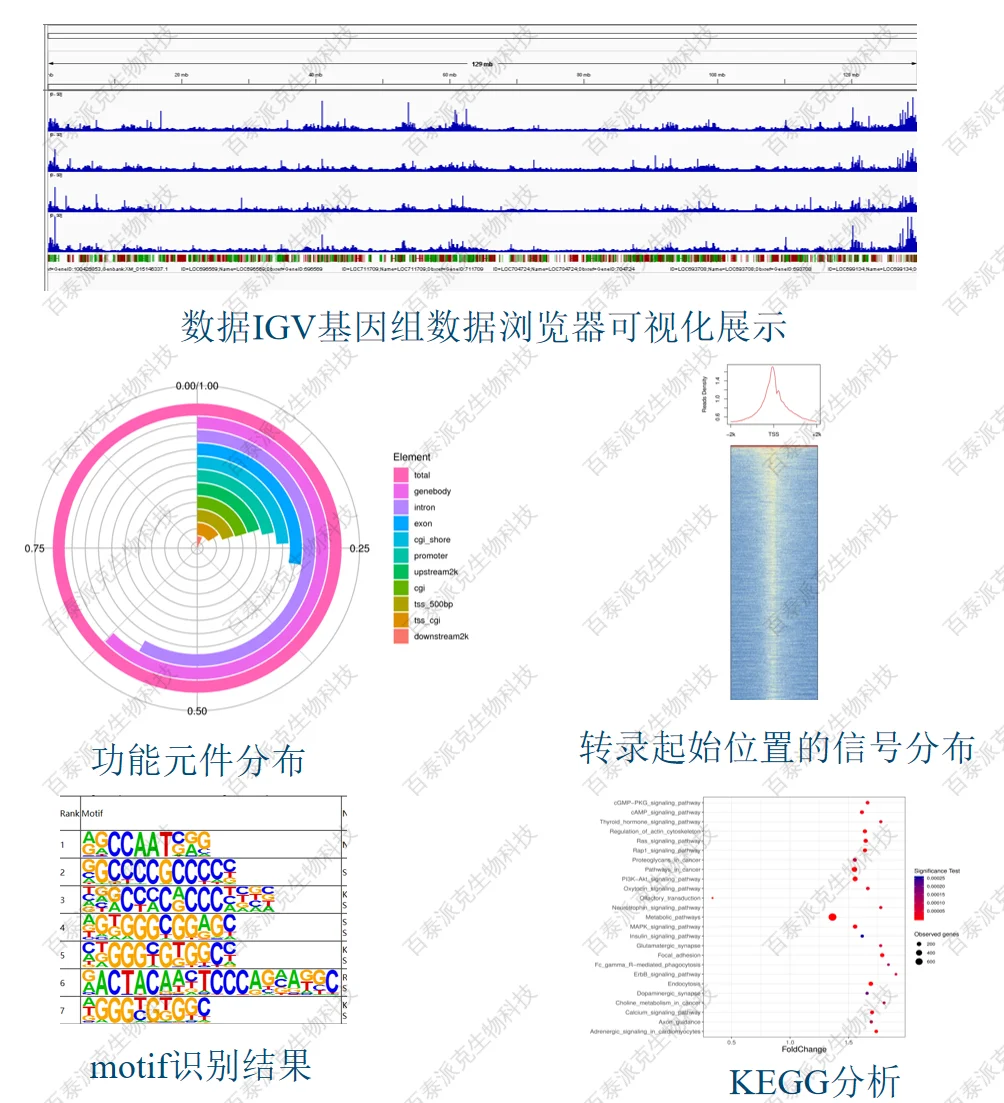
Use the Illumina sequencing platform for high-throughput sequencing of the library to obtain high-resolution data. Combine with a professional data analysis platform to complete quality control, genome alignment, enrichment peak annotation, motif recognition, GO functional analysis, and KEGG pathway analysis, providing a comprehensive analysis of the functional roles of transcription factors and histone modifications.

Galli, S. et al. RSC Chem Biol. 2024.
CUT&Tag Technical Workflow
Technical Advantages
Compared to traditional ChIP-seq technology, CUT&Tag performs excellently in multiple dimensions:
- Lower Background Noise: No chemical cross-linking required, reducing nonspecific binding.
- Higher Resolution: Can clearly locate the binding regions of transcription factors and histone modifications.
- Accelerated Experiment Cycle: Integrates fragmentation and library construction processes, significantly shortening the experiment cycle.
| CUT&Tag | ChIP-seq | |
| Required Sample Size | 60-10,000 cells | ≥10 million cells |
| Is Fixation Needed | No | Yes |
| Chromatin Fragmentation Method | Tn5-based disruption | Sonication or MNase |
| Required Cell Quantity | 0.5-500,000 | 1-10 million |
| Required Sequencing Depth | 2M reads | 20-50M reads |
| Is Library Construction Integrated | Yes, through fragmentation with adapters | No, additional library construction steps needed |
| Applicable Targets | Mainly applicable to histone modifications, few transcription factors and cofactors | Widely applicable to histone modifications, transcription factors, and cofactors |
| Signal-to-Noise Ratio | High | Lower |
| Experiment Reproducibility | High | Poor |
| Required Time | 1-2 Days | 2-3 Days |
Sample Submission Recommendations
Biotech's CUT&Tag analysis service uses efficient transposase labeling and enzyme cleavage technology to provide precise protein-DNA interaction analysis for genomic and epigenetic research. Accurate sample preparation and storage are key to achieving high-quality analysis; therefore, it is recommended that you process your samples as follows:
Cell Samples
1. Washing and Digestion: After removing the old culture medium, wash once with PBS. Add an appropriate amount of trypsin (covering the surface of the cell layer) and gently digest.
2. Centrifugation and Washing: Centrifuge at 1000 rpm for 5 minutes, remove the supernatant, and wash once with PBS.
3. Preparation for Preservation: Add an appropriate amount of prepared cryopreservation medium, gently resuspend the cells, and count them. It is recommended that the cell count be ≥500,000 per tube.
4. Aliquoting and Freezing: Dispense cells into cryovials, adding 150μl of cryopreservation medium per tube, ensuring each sample has 2-3 parallel tubes. Samples should be pre-cooled and stored in a -80℃ freezer and transported with dry ice.
Tissue Samples
1. Sampling and Washing: Fresh tissue obtained from living organisms should be washed with PBS to remove surface contaminants. Samples can be temporarily stored in 1640 or DMEM medium at 4℃, but subsequent processing should be completed within 3 hours.
2. Cutting and Processing: Cut the tissue into small pieces or mince, and dispense into multiple cryovials, recommending 2-3 tubes per sample.
3. Cryopreservation Solution Preparation: You can choose from the following two methods:
- Use cryopreservation solution with 10% DMSO+90% fetal bovine serum, keep at 4℃ for transport.
- Rapid freezing in liquid nitrogen, recommended temperature to be maintained below -80℃, transport with dry ice.
If you have other special samples, please feel free to contact us.
Results Display
Case Study
CUT&Tag Histone RevelationGenomic distribution of lactylation modification in pancreatic ductal adenocarcinoma (PDAC) and its impact on gene expression
The study used CUT&Tag technology to analyze the genomic distribution of lactylation modification in PDAC and its impact on gene expression. CUT&Tag was used to map histone lactylation (H3K18la) binding across the genome of pancreatic cancer cells. The study found that H3K18la was mainly enriched at promoters and enhancers of tumor-related genes. Combined with RNA-seq data, it was shown that lactylation levels in these regions were closely associated with high expression of glycolysis and tumor-related genes. The study further revealed that lactate produced by glycolytic metabolism can drive histone lactylation, which in turn forms a positive feedback loop by promoting the expression of key glycolytic genes, accelerating tumor progression. This mechanism emphasizes the key role of lactylation modification in PDAC and provides potential targets for tumor therapy. CUT&Tag technology efficiently and sensitively revealed the chromatin binding characteristics of H3K18la, demonstrating its important advantage in elucidating post-translational histone modification mechanisms.
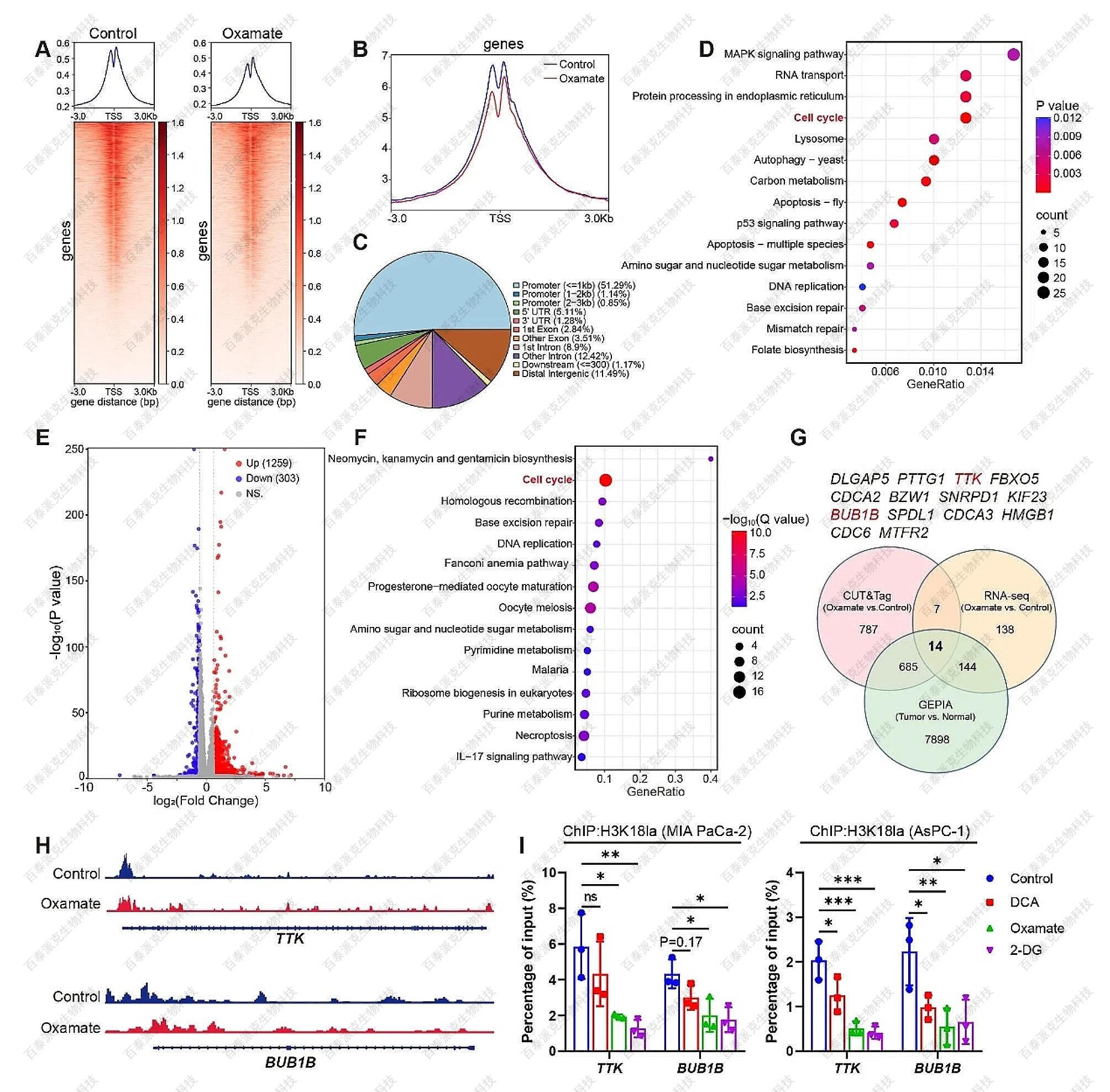
Li, F. et al. Mol Cancer. 2024.
CUT&Tag analysis to screen H3K18la binding sites
Biotech's CUT&Tag analysis service can efficiently explore the core mechanisms of gene regulation. Our professional team and advanced platform provide high-quality, reproducible research data for every customer, supporting major breakthroughs in the life sciences field. Contact us to learn more about the CUT&Tag analysis service.
Related Services
Protein Interaction Mass Spectrometry Analysis
Protein interaction analysis with immunoprecipitation (CO-IP) combined with mass spectrometry
Protein interaction analysis with SILAC combined with immunoprecipitation and mass spectrometry
How to order?




