






LFQ and Isotope Labeling Strategies in Protein Quantification
Quantitative proteomics plays a crucial role in contemporary life sciences research, helping researchers gain deep insights into the dynamic regulatory mechanisms of cellular systems under physiological or pathological states. Unlike merely focusing on protein identification, the core of protein quantification lies in measuring changes in protein abundance, thereby revealing key biological phenomena such as differential expression, post-translational modifications, and signal pathway responses.
Currently, the two most commonly used mass spectrometry (MS)-based protein quantification strategies are label-free quantification (LFQ) and isotopic labeling methods (such as Tandem Mass Tags, TMT; and iTRAQ). These two methods each have their advantages and limitations, with applicability depending on experimental design, sample type, and analysis objectives.

Calvete, JJ. et al. Mass Spectrom Rev. 2024.
Figure 1. Comprehensive comparison of different quantitative proteomics strategies
I. Label-Free Quantification (LFQ)
Label-free quantification is a widely used mass spectrometry quantification strategy that estimates protein abundance by measuring peptide ion signal intensity or spectral counting in LC-MS analysis. This method is based on a core assumption: the ion signal intensity of a peptide is proportional to its concentration in the sample. In a standard LFQ process, proteins are first digested into peptides, then separated by liquid chromatography, and detected by high-resolution mass spectrometry. Quantitative comparisons between samples typically rely on software for retention time alignment and signal intensity normalization.
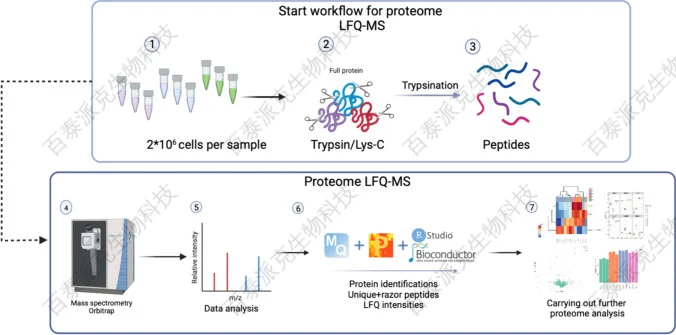
Sulaj E, et al, 2024.
Figure 2. LFQ quantitative workflow
Advantages:
1. No chemical labeling required: Does not rely on exogenous labels, avoiding errors from differences in labeling efficiency.
2. Lower cost: No need to purchase labeling reagents, suitable for large sample sizes or exploratory studies with limited budgets.
3. High sample flexibility: Can be directly applied to body fluids, tissues, or FFPE samples without special pretreatment.
4. Wide dynamic range: Can capture changes from high to low abundance proteins, suitable for complex biological samples.
Since LFQ does not require chemical or metabolic labeling, it offers the advantages of low cost and operational flexibility, making it particularly suitable for studies with large sample sizes or those unsuitable for labeling, such as clinical tissues or body fluid samples. However, this method is sensitive to analytical fluctuations between batches, so robust data normalization and statistical analysis methods are needed to ensure the accuracy and comparability of quantitative results.
II. Isotopic Labeling (TMT/iTRAQ)
Isotopic labeling methods (such as TMT and iTRAQ) achieve quantification by covalently attaching chemically identical but isotopically distinct tags to peptides from different sample sources. These tags appear as the same precursor ion mass in the first-stage mass spectrum but release reporter ions of different masses during MS/MS fragmentation, enabling relative quantification between multiple samples. After labeling, all samples are mixed and detected together in a single LC-MS/MS analysis, significantly improving experimental efficiency and data consistency.
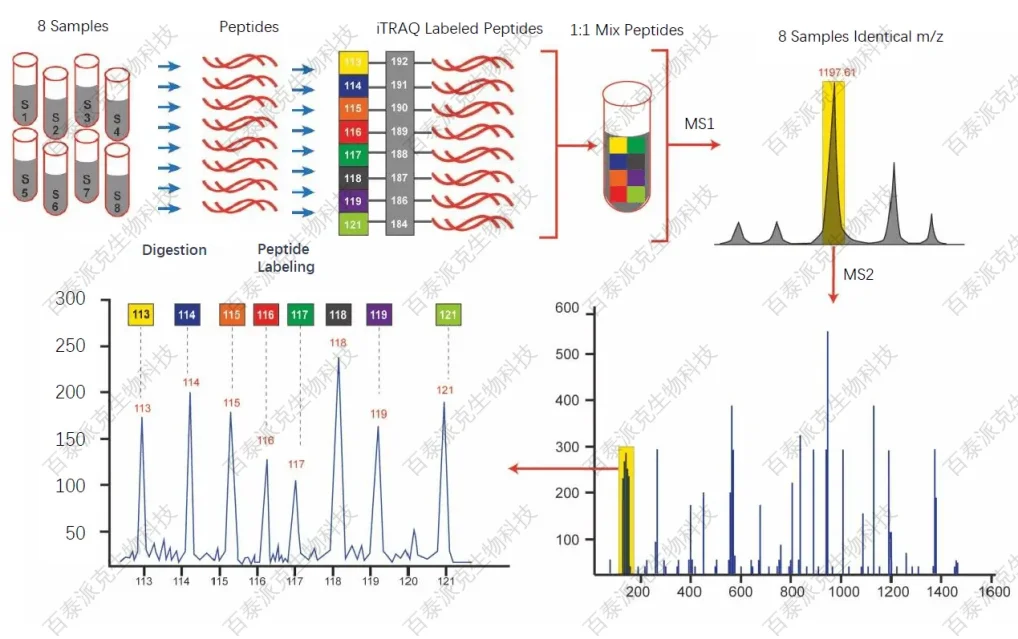
Figure 3. TMT labeling quantitative proteomics workflow
Advantages:
1. High-throughput multiplex analysis: Can simultaneously analyze 6–18 samples, improving experimental efficiency and consistency.
2. Strong data comparability: All samples are analyzed together, eliminating technical variability, suitable for time-gradient or group-omics design.
3. High quantitative precision: Quantitative comparisons are completed in the same run, suitable for projects requiring strict differential analysis.
4. Suitable for complex experimental designs: Supports simultaneous comparative analysis of multiple experimental groups and multiple treatment conditions.
A major advantage of isotopic labeling methods is their high-throughput multiplexing capability, allowing for the simultaneous quantification of 6 to 18 samples depending on the reagent type. They also offer high quantitative precision and low technical variability, particularly suitable for studies with high requirements for sample comparability, such as time-gradient experiments or patient cohort analyses. However, this method is susceptible to co-elution and co-fragmentation of peptides at the MS2 level, leading to ratio distortion. Therefore, in some experiments, correction strategies such as MS3 or SPS-MS3 may be needed to improve quantitative accuracy.
III. Use Case Comparison: Which Method to Choose in Different Situations
| Comparison Dimensions | Label-Free Quantification (LFQ) | Isotopic Labeling Quantification (TMT/iTRAQ) |
| Quantification Method | Based on peptide ion intensity or spectral counting | Based on reporter ion intensity released during MS/MS fragmentation |
| Sample Processing | No labeling required, independently measured | Peptides from each sample are labeled, then mixed and co-detected |
| Throughput (Multiplex) | Analyzes 1 sample per run | Can analyze 6-18 samples simultaneously (depending on reagent version) |
| Sensitivity | Sensitive to low-abundance proteins (depends on instrument and data processing) | May affect quantification accuracy of low-abundance proteins due to co-fragmentation interference |
| Data Consistency | Prone to inter-batch differences, requires strict normalization | High inter-batch consistency, suitable for studies with high comparability requirements |
| Quantitative Precision | Depends on retention time alignment and signal correction, precision affected by experimental conditions | High precision, especially suitable for large-scale sample analysis |
| Cost and Resource Requirements | Low reagent cost, suitable for large-scale screening projects | High reagent cost, requires advanced sample preparation and instrument performance |
| Applicable Scenarios | Clinical tissues, body fluid samples, resource-limited projects | Time-series studies, patient cohort analysis, high-throughput comparative experiments |
| Potential Limitations | Reproducibility is affected by batch effects; strict data processing is required. | Correction for ratio distortion caused by co-fragmentation is necessary, such as using MS3 or SPS-MS3 methods. |
1. Exploratory proteomics research on heterogeneous clinical samples → LFQ is preferred.
In early discovery studies, clinical samples from complex sources with limited sample sizes (such as patient tissues, serum, cerebrospinal fluid, etc.) are often involved. These samples are usually difficult to chemically label, and LFQ, as a label-free strategy, can be directly analyzed, greatly improving sample adaptability. Additionally, LFQ has a wide dynamic range, suitable for simultaneously detecting high and low abundance proteins. Special attention should be paid to normalization and quality control processes to ensure data accuracy.
Example: Identifying potential biomarkers in plasma samples from a small cohort of disease and control subjects.
In a study published in 2024, a research team used Label-Free Quantification (LFQ) mass spectrometry technology to systematically analyze the changes in plasma protein expression in obese patients before and after treatment with liraglutide. The study included 20 patients, comparing plasma samples before and after treatment, identifying a total of 1,019 proteins, of which 151 were significantly different, involving pathways such as glucose-lipid metabolism, inflammatory response, oxidative stress, and cytoskeleton. The study found that multiple inflammation and metabolism-related proteins were significantly regulated after treatment, suggesting that liraglutide may improve metabolic status through multiple pathways. This study fully demonstrates the broad applicability and excellent performance of LFQ technology in heterogeneous clinical samples with limited sample size and labeling difficulties. Compared to TMT and other labeling methods, LFQ is more convenient and adaptable in such early exploratory studies, and effectively ensures data comparability and quantitative accuracy through standardized normalization processes.
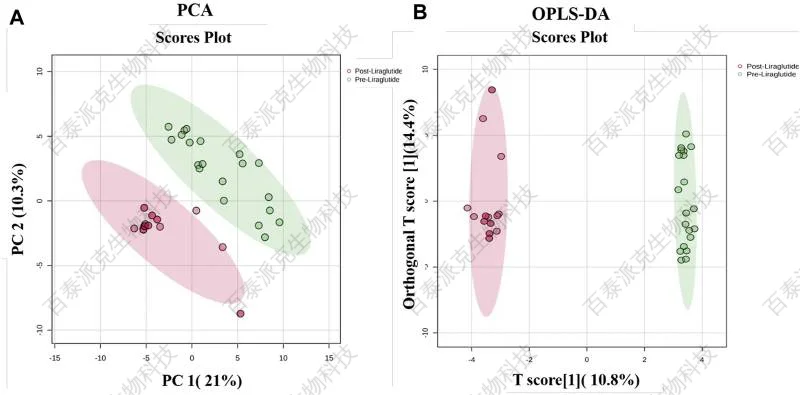
Figure 4. Multivariate analysis of the proteomic profiles of obese patients in PoT and PT groups.
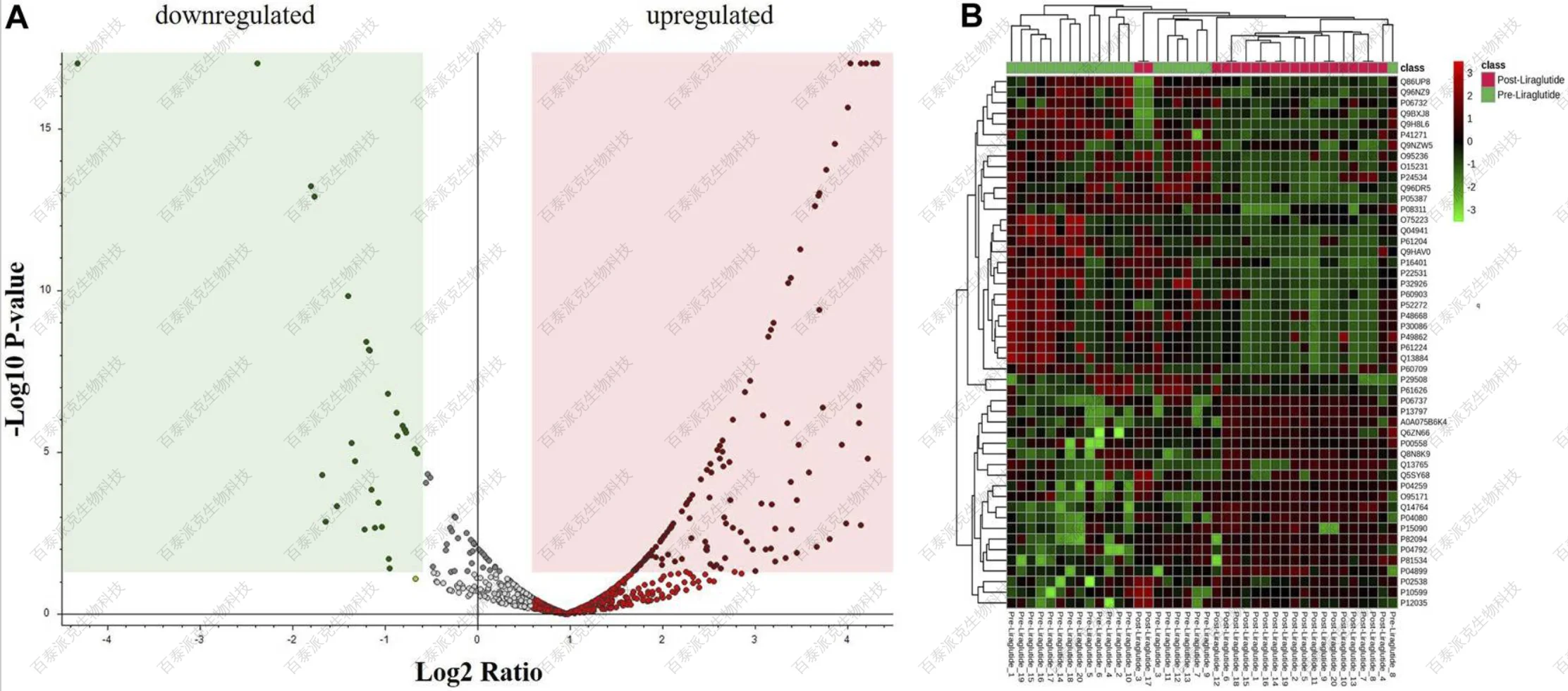
Figure 5. Volcano plot, hierarchical clustering (HAC), and heatmap analysis of significantly changed proteins identified.
2. Large-scale comparative studies under multiple conditions → TMT/iTRAQ is recommended.
In studies requiring simultaneous comparison of multiple experimental conditions or biological replicates, such as drug screening, dose gradient testing, or time-series analysis, isobaric labeling methods have significant advantages. TMT and similar methods enable the simultaneous analysis of 6 to 18 samples in a single LC-MS/MS run, significantly reducing batch effects and improving quantitative consistency and efficiency.
Example: Expanding the landscape of aging via Orbitrap Astral mass spectrometry and tandem mass tag integration.
In a study published in 2025 in Nature Communications, the research team combined Orbitrap Astral high-resolution mass spectrometer and TMT 18-plex isobaric labeling technology for systematic proteomics analysis of multi-tissue samples (cortex, hippocampus, striatum, and kidney) from different age stages in mice. This study achieved synchronous analysis of 18 samples in a single LC-MS/MS run, significantly reducing batch effects and enabling high-depth, quantitative consistency analysis of over 12,000 proteins. The results revealed linear and nonlinear patterns of protein changes with age across multiple tissues, with marked tissue-specific and gender-differential expression patterns particularly observed in brain regions and kidneys. This study fully demonstrates the advantages of TMT multiplex labeling strategies in multi-condition, large-scale comparative studies, providing important proteomic evidence for aging mechanism analysis.
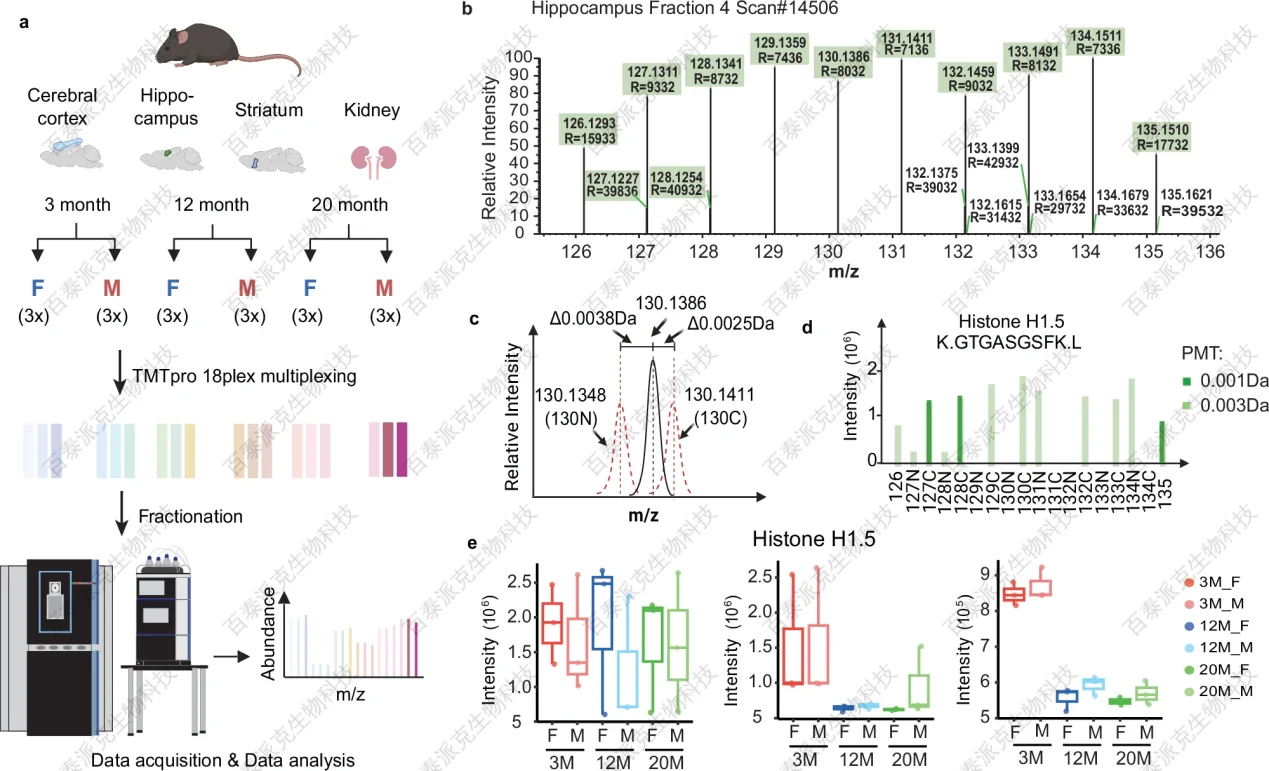
Keele, G.R. et al. Nat Commun. 2025.
Figure 6. Peptide filtering combined with Orbitrap Astral significantly enhances the accuracy of TMT quantitation.
Biotech Bioscience—A premium service provider for bioproduct characterization and multi-group mass spectrometry testing.
Related services:
How to order?




