

10x Single-Cell DNA Sequencing
10x single-cell DNA sequencing technology enables deep genomic DNA analysis at the single-cell level. This technology allows researchers to identify and analyze the genomic characteristics of each cell within complex tissues or cell populations without being constrained by population averages. The role of 10x single-cell DNA sequencing is to allow scientists to track genetic changes in cells, uncover variations between different cell types, and identify key genetic markers in disease progression. Additionally, it can be used to explore how genetic variations affect cell function, thereby providing more precise medical diagnosis and treatment strategies. Through 10x single-cell DNA sequencing, researchers can obtain complete genomic information for each cell, which is significant for understanding intercellular differences in complex biological systems. This technology allows for independent analysis of each cell, meaning scientists can more accurately identify variations in the genome, especially in cancer research, where it is crucial for understanding the genetic heterogeneity within tumors. In developmental biology, 10x single-cell DNA sequencing can help reveal cell fate decisions and regulatory mechanisms during different stages of embryonic development. Moreover, in immunology research, it can analyze the clonal selection and amplification processes of immune cells, providing information for the development of new immunotherapies.
1. Technical Process of 10x Single-cell DNA Sequencing
1. Sample Preparation
10x single-cell DNA sequencing begins with the meticulous preparation of samples. First, complex biological samples need to be dissociated into a single-cell suspension. This step typically involves cell separation techniques such as enzymatic digestion or mechanical dissociation to ensure that each cell can be individually processed. Microfluidic technology is then used to capture single cells into microdroplets. Microdroplet technology allows independent chemical reactions to occur within each droplet, ensuring that the genomic information of a cell is not interfered with by adjacent cells.
2. Genome Amplification and Sequencing
Once single cells are successfully captured and isolated, genomic DNA amplification is required. Due to the very limited amount of DNA in single cells, whole genome amplification techniques are needed to enhance the signal for subsequent sequencing analysis. After amplification, high-throughput sequencing technology is used to sequence the amplified DNA. These technologies can quickly generate large amounts of genomic data, ensuring scientists can obtain detailed genetic information for each cell.
2. Advantages and Challenges of 10x Single-cell DNA Sequencing
1. Advantages
10x single-cell DNA sequencing technology has many significant advantages. It provides the ability for precise analysis of individual cells, enabling scientists to identify heterogeneity within cell populations. This technology can also reveal dynamic genetic changes and complex regulatory networks of cells.
2. Challenges
10x single-cell DNA sequencing also faces several challenges, such as the complexity of data processing. Each single cell generates a large amount of sequencing data, requiring efficient data analysis tools and computational power. Additionally, single-cell sequencing may be affected by amplification bias and sequencing errors, necessitating optimization of experimental conditions and analysis algorithms to minimize these issues. Furthermore, the high cost of single-cell sequencing technology limits its application in large-scale studies.
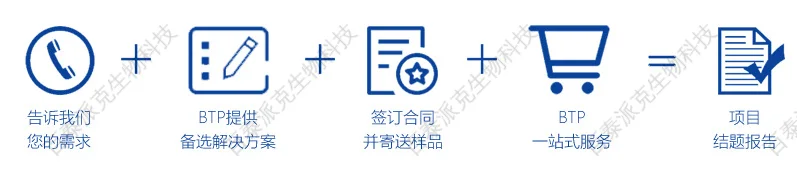
Bio-Techne offers a one-stop solution from sample processing to data analysis, ensuring high-quality and repeatable data, thanks to its professional team and cutting-edge technology. Partnering with us provides personalized technical support to help you achieve breakthrough progress in your research.
Bio-Techne--A quality service provider of bioproduct characterization and multi-omics mass spectrometry detection
Related Services:
How to order?