






Circular Dichroism Spectroscopy for Protein Determination
Circular Dichroism (CD) spectroscopy is based on the measurement of the optical isomerism of optical isomers using plane-polarized light. When plane-polarized light passes through an optically active substance, its two orthogonal oscillating components are absorbed differently, resulting in elliptically polarized light.
CD spectroscopy can provide information about the structure and conformational changes of proteins, peptides, and other optically active molecules. Secondary structural elements of proteins, such as α-helix, β-sheet, β-turn, and random coil, have characteristic CD signals. By analyzing CD spectra, the secondary structure composition of proteins can be estimated.
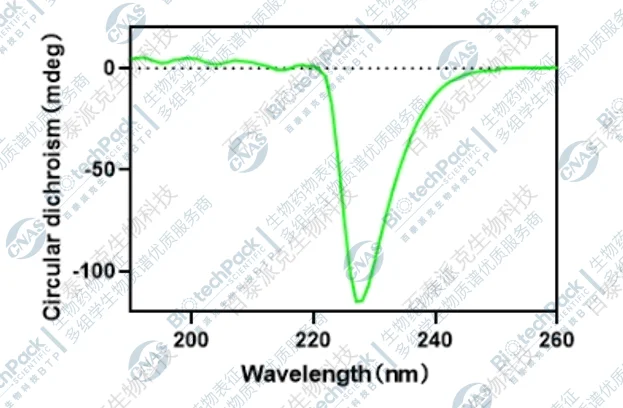

Figure 1. Protein Structure Identification
The basic steps for determining protein structure using circular dichroism are as follows:
1. Sample Preparation:
- Choose an appropriate buffer to ensure it does not produce a significant background signal within the measurement range of the CD spectrum.
- The protein concentration is typically between 0.1 and 1 mg/mL, but the optimal concentration depends on the nature of the protein and the sensitivity of the CD spectrometer.
2. Background Measurement:
- Measure the CD signal of the selected buffer without the protein to obtain the background spectrum.
3. Sample Measurement:
- Measure the CD signal of the protein sample in the range of approximately 190-250 nm.
4. Data Processing:
- Subtract the background spectrum from the CD signal of the protein sample.
- Convert the resulting difference spectrum to mean residue ellipticity (MRE), a unit related to the protein concentration and path length.
5. Data Interpretation:
- Estimate the secondary structure content of the protein based on the characteristic wavelengths and shape of the spectrum.
- Use specialized software, such as SELCON3, CONTIN, or CDPro, for more accurate calculation of the proportions of α-helix, β-sheet, random coil, and other secondary structures.
The advantages of CD measurement are that it is fast, non-destructive, and can be used for real-time monitoring of protein conformational changes. However, it is important to note that CD spectra can only provide approximate information about the secondary structure of proteins and cannot give detailed 3D structural information.
BiotechPack, A Biopharmaceutical Characterization and Multi-Omics Mass Spectrometry (MS) Services Provider
Related Services:
Circular Dichroism Analysis (CD)
Protein Structure Identification
Protein Interaction Mass Spectrometry Analysis
Protein Interaction Analysis using Co-immunoprecipitation (CO-IP) combined with Mass Spectrometry
Protein Interaction Analysis using GST Pull-down Technique combined with Mass Spectrometry
Protein Interaction Analysis using SILAC combined with Co-immunoprecipitation and Mass Spectrometry
How to order?




