






The Importance of Host Protein Residue Detection in Biopharmaceuticals
Host cell protein (HCP) residue detection is an important quality control step in biopharmaceutical processes. In biopharmaceuticals, cell lines (hosts) are commonly used to produce proteins or other biological products. These cell lines may be bacteria, yeast, mammalian cells, etc. After the production process is complete, the product must undergo multiple purification steps to remove non-target impurities, one of which is the host cell proteins. However, the purification process may not completely remove all host proteins, hence the need to detect and quantify these residual host proteins.
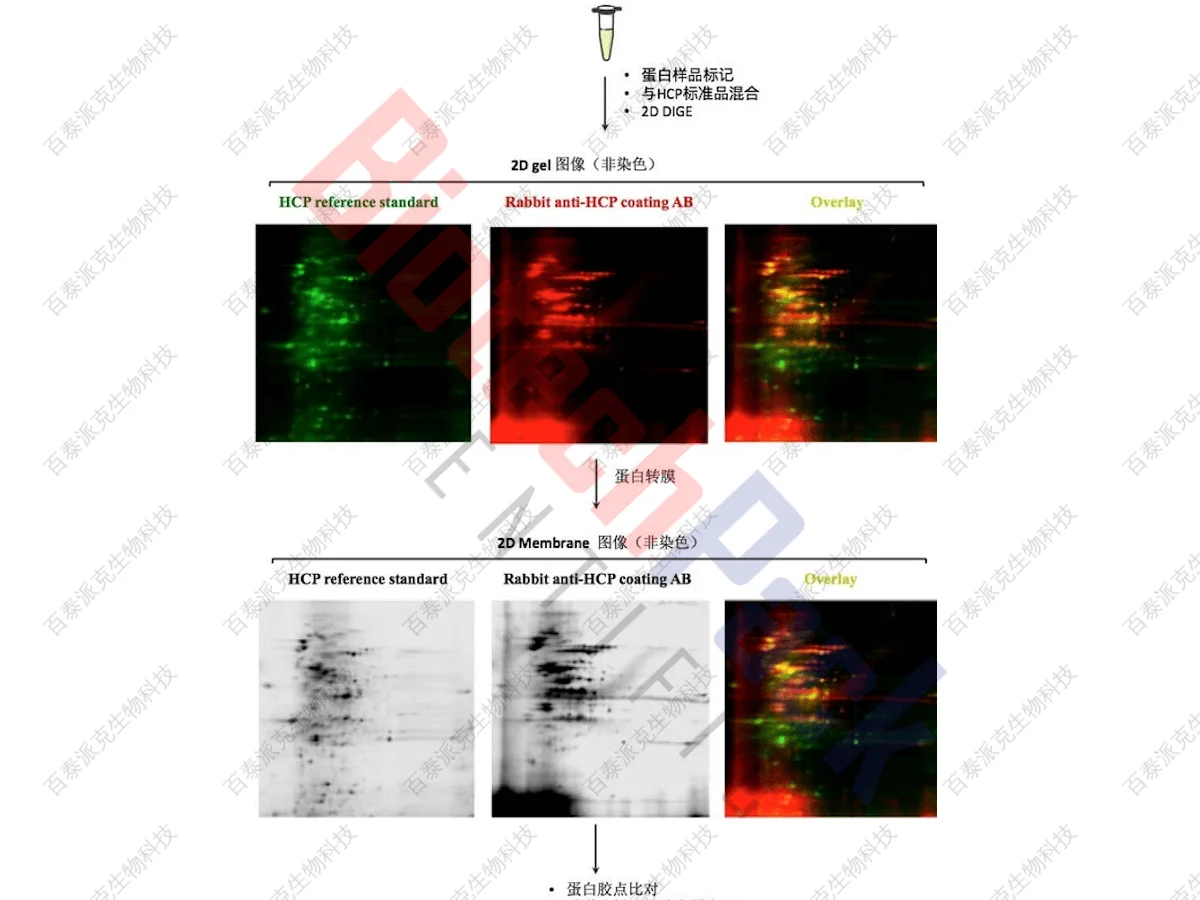
Figure 1. Host Cell Protein (HCP) Analysis Process
The Importance of Host Cell Protein Residue Detection:
1. Host proteins may affect the safety and efficacy of the drug.
2. Some host proteins may induce an immune response.
3. Regulatory agencies have strict standards requiring host protein residues in biological products to be within a safe range.
Host protein residue detection is a critical step in ensuring the quality and safety of biopharmaceutical products. Therefore, highly sensitive and specific methods are needed for accurate measurement.
BiotechPack, A Biopharmaceutical Characterization and Multi-Omics Mass Spectrometry (MS) Services Provider
Related Services:
How to order?




