






Review of Detection and Analysis Methods for Host Cell Protein Residues (HCP)
During the drug production process in the field of biopharmaceuticals, proteins expressed by host cells often remain in the final product, known as host cell protein residuals (HCP). These residual proteins may adversely affect the quality and safety of the drug. Therefore, the detection and analysis of host cell protein residuals (HCP) have become important aspects of biopharmaceutical analysis.
1.Impact of Host Cell Protein Residuals (HCP)
Host cell protein residuals (HCP) have significant impacts on drug quality and safety. They may trigger immune responses, affect drug stability, reduce efficacy, or cause other side effects. Therefore, accurate detection and analysis of host cell protein residuals (HCP) are crucial for drug quality control and safety assessment.
2.Traditional Immunoassay Methods
Traditional immunoassay methods are among the commonly used techniques for analyzing host cell protein residuals (HCP). These include enzyme-linked immunosorbent assay (ELISA), Western blot, and gel electrophoresis. These methods are based on the specific recognition by antibodies and can quantitatively analyze the content of host cell protein residuals (HCP).
3.Emerging Mass Spectrometry-Based Techniques
With the development of mass spectrometry, methods based on this technology are increasingly gaining attention in the detection and analysis of host cell protein residuals (HCP). These include two-dimensional gel electrophoresis combined with mass spectrometry (2D-PAGE-MS), liquid chromatography-mass spectrometry (LC-MS/MS), and high-resolution mass spectrometry (HRMS). These methods provide higher resolution and sensitivity, as well as more comprehensive proteomic information.
4.Selection and Optimization of HCP Analysis Methods
Several factors need to be considered when selecting and optimizing methods for host cell protein residuals (HCP) analysis, including sample source, specificity and sensitivity requirements, analysis cost, and time. Choosing the appropriate method based on the actual situation and conducting method validation and accuracy assessment are essential.
5.Case Study: Analysis of Host Cell Protein Residuals (HCP)
Introduce the application of host cell protein residuals (HCP) analysis methods through practical case studies. Demonstrate the advantages and application ranges of different methods in analysis, and how to effectively control and reduce the content of host cell protein residuals (HCP).
6.Future Development Directions
As the field of biopharmaceuticals continues to evolve, the detection and analysis methods for host cell protein residuals (HCP) are also continuously advancing. Future development directions include enhancing the sensitivity and specificity of analysis methods, developing high-throughput analysis platforms, and integrating multiple technical approaches for comprehensive analysis.
The detection and analysis of host cell protein residuals (HCP) are crucial aspects of biopharmaceutical analysis. Traditional immunoassay methods and emerging mass spectrometry-based techniques provide effective means for analyzing host cell protein residuals (HCP). Selecting appropriate analysis methods based on actual needs, combined with optimization strategies and validation control methods, helps improve drug quality and safety.
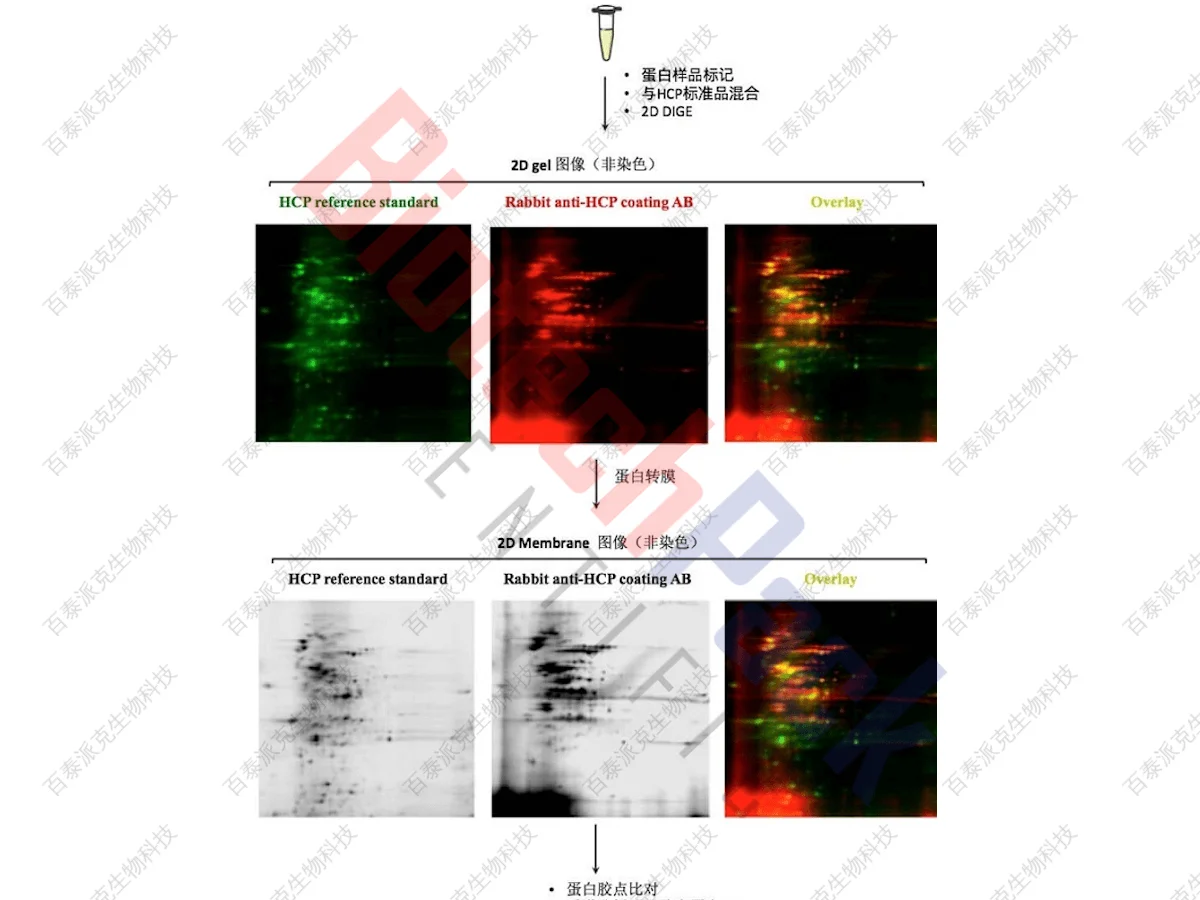
Figure 1
Bio-Techne—Characterization of Bioproducts, High-Quality Proteomics Services for Multi-Omics Mass Spectrometry
Related Services:
How to order?




