






In-depth Understanding of Host Cell Proteins (HCP): Structure, Function, and Detection Methods
During the drug production process in the field of biopharmaceuticals, proteins expressed by host cells often remain in the final product, referred to as host cell proteins (HCPs). They originate from the endogenous proteins of the host cells, significantly impacting the quality and safety of the drug. This article will delve into the structure, function, and common detection methods of host cell proteins (HCPs).
1.Structure and Function of Host Cell Proteins (HCPs)
The structure and function of host cell proteins (HCPs) are diverse, related to the type of host cell and expression system. They may include metabolic enzymes, structural proteins, transport proteins, and other functional proteins, potentially existing in multiple subtypes and modification forms.
2.Impact of Host Cell Proteins (HCPs) on Drug Quality
The presence of host cell proteins (HCPs) may adversely affect drug quality. They can trigger immune responses, affect the stability and activity of the drug, and pose potential risks to patients. Therefore, accurate detection and control of HCP residues are crucial.
3.Detection Methods for Host Cell Proteins (HCPs)
3.1 Immunoassay Methods: Immunoassay methods are commonly used for detecting host cell proteins (HCPs), including enzyme-linked immunosorbent assay (ELISA), Western blot, etc. These methods use specific antibodies to bind with HCPs and detect and quantify their presence through signal amplification.
3.2 Mass Spectrometry Methods: Mass spectrometry methods also play an important role in the detection of host cell proteins (HCPs), including two-dimensional gel electrophoresis combined with mass spectrometry (2D-PAGE-MS), liquid chromatography-mass spectrometry (LC-MS/MS), etc. These methods can separate and quantitatively analyze complex HCP samples, providing more comprehensive information.
4.Selection and Optimization of Host Cell Protein (HCP) Detection Methods
When selecting and optimizing host cell protein (HCP) detection methods, several factors should be considered, such as sensitivity, specificity, applicability, and cost-effectiveness. Depending on the characteristics of the drug and production process, the appropriate detection method should be selected, and method validation and accuracy evaluation should be conducted.
5.Case Studies on the Application of Detection Methods
Through practical case studies, the application of host cell protein (HCP) detection methods is demonstrated. Using immunoassay and mass spectrometry methods, HCP residues have been successfully detected and analyzed, providing reliable means for drug quality control.
Host cell proteins (HCPs) are a significant issue in biopharmaceutical analysis, having a crucial impact on drug quality and safety. By gaining a deeper understanding of HCP structure, function, and common detection methods, better control of HCP residues can be achieved, ensuring the quality and safety of drugs.
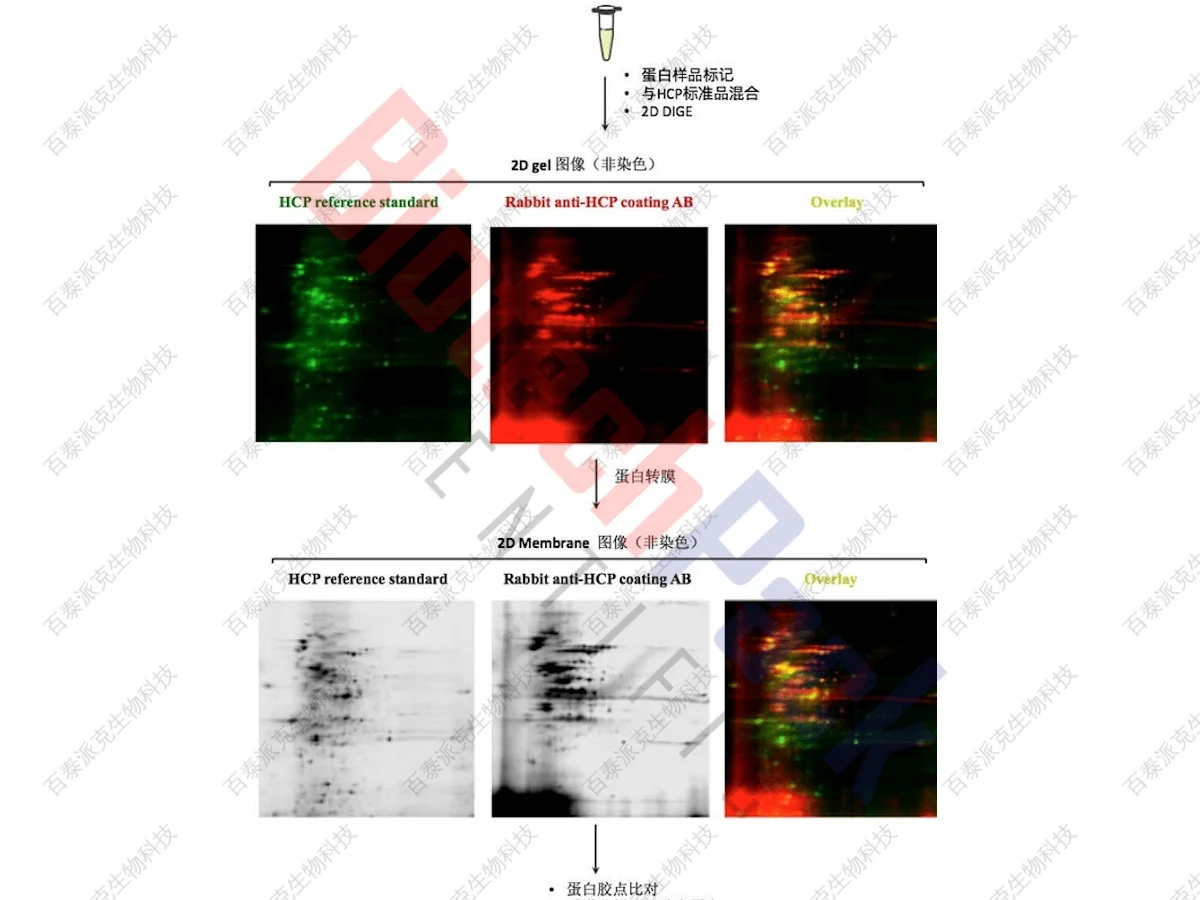
Figure 1
Biotech Company--Characterization of Biologics, Multi-group Biomass Mass Spectrometry Quality Service Provider
Related Services:
How to order?




