






How to Screen Differential Proteins in Proteomics: Key Steps and Technical Choices
Differential proteins are proteins with significantly altered expression levels under different physiological or pathological conditions. Identifying and characterizing differential proteins is crucial for understanding biological processes, discovering biomarkers, and developing new drugs. Proteomics, as a powerful technological platform, plays a key role in screening differential proteins. This article will introduce the key steps and technical choices of proteomics in screening differential proteins.
1. Protein Sample Preparation
Protein sample preparation is a critical step in differential proteomics research. Key steps include sample collection, protein extraction, and preprocessing. The choice of sample should consider the research purpose and source, such as tissue samples, serum, or cell culture supernatants. The selection of protein extraction methods should consider the complexity and abundance range of the sample. Preprocessing steps like removing low-abundance proteins and enriching specific types of proteins can enhance the detection sensitivity of differential proteins.
2. Protein Separation
Protein separation is a key step in differential proteomics used to reduce sample complexity and find differential proteins. Common separation techniques include gel electrophoresis and liquid chromatography. Gel electrophoresis techniques like two-dimensional gel electrophoresis (2-DE) can separate proteins based on molecular weight and isoelectric point. Liquid chromatography techniques such as ion exchange chromatography and reverse-phase chromatography can achieve efficient protein separation and enrichment.
3. Mass Spectrometry Analysis
Mass spectrometry analysis is the core technique in differential proteomics for identifying and quantifying differential proteins. Mass spectrometry techniques like liquid chromatography-mass spectrometry (LC-MS) can achieve high-throughput protein identification and quantification. The combination of liquid chromatography and mass spectrometry allows for efficient protein separation and analysis. The interpretation and identification of mass spectrometry data usually rely on database searches, spectral library matching, and quantification software.
4. Data Analysis
Data analysis is an important part of differential proteomics research. It involves data filtering, identification, and functional annotation of differential proteins. Statistical analysis methods such as t-test, analysis of variance, and partial least squares regression can help identify differential proteins. Functional annotation is performed using bioinformatics tools and databases to understand the functions, pathways, and interactions of differential proteins.
Proteomics provides strong technical support for screening differential proteins. Through key steps such as protein sample preparation, protein separation, mass spectrometry analysis, and data analysis, we can discover and identify differential proteins under different physiological or pathological conditions. The screening of differential proteins provides important clues and targets for biomedical research and drug development.
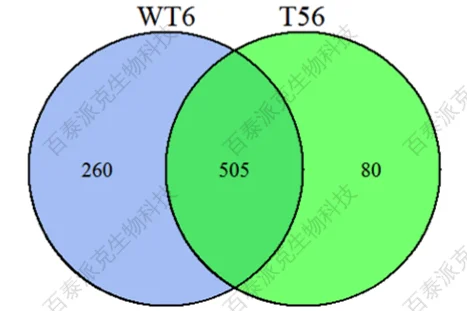
Figure 1
Biotech Pte Ltd--BiotechnologyProductsCharacterization, Multi-omics Mass Spectrometry Testing Quality Service Provider
Related Services:
Differential Expression Protein Statistical Analysis
How to order?




