

In-depth Interpretation of Protein Lactylation Modification and Its Common Labeling Methods
In recent years, with the cross-development of metabolomics and epigenetics, protein lactylation as an emerging lysine post-translational modification (PTM) has gradually attracted wide attention from the academic community. Since its first report in Nature in 2019, lactylation has been confirmed to be widely present in both histone and non-histone proteins, participating in important life activities such as gene expression regulation and cell metabolic reprogramming.
1. What is protein lactylation?
Protein lactylation refers to a post-translational modification form where the lactyl group derived from lactic acid is covalently attached to the lysine residues of proteins. Its structure resembles acetylation but originates from the metabolic product lactic acid (L-lactate). This modification is usually catalyzed by acyltransferases and may also occur through non-enzymatic pathways.
1. Molecular structural characteristics
-
Modification group: CH₃CH(OH)CO– (lactyl group)
-
Target residue: Lysine (K)
-
Molecular weight increase: +72.021 Da (crucial for mass spectrometry analysis)
2. Biological significance
-
Under hypoxia, Warburg effect, or inflammatory conditions, lactic acid accumulates in cells, driving an increase in lactylation levels;
-
It can regulate sites like histone H3K18 and H4K8, engaging in transcriptional activation of inflammatory factors (such as Arg1, IL-6);
-
It plays an important role in macrophage polarization, tumor microenvironment remodeling, stem cell differentiation, etc.
2. Challenges in detecting protein lactylation
Although lactylation as a novel modification is exciting, its detection still faces many challenges:

Therefore, optimization of enrichment methods and the application of high-resolution mass spectrometry platforms are key technical supports in lactylation research.
3. Common lactylation labeling and enrichment strategies
1. Anti-lactylated lysine antibody enrichment (Anti-Kla Immunoprecipitation)
-
Using specific Anti-Kla antibodies for immunoprecipitation can enrich lactylated peptides;
-
It is currently the most commonly used and relatively mature method for lactylation enrichment;
-
The drawback is its dependence on antibody quality, and specificity and batch-to-batch repeatability need to be strictly evaluated.
2. Chemical derivatization labeling
To overcome the antibody dependency issue, some studies use chemical derivatization methods to enhance the recognition efficiency of lactylation signals:
-
The lactyl group is modified with specific reagents (e.g., NH₂OH treatment), enabling tag labeling or derivatization capture;
-
Combined with affinity enrichment (e.g., biotin labeling, magnetic bead pull-down) for target peptide screening;
-
It holds great promise for studying lactylation sites but is not yet widely adopted.
3. Stable Isotope Labeling
-
Can be used for quantitative comparison of lactylated proteins (e.g., between different treatment groups);
-
Methods like SILAC, TMT, iTRAQ can be combined with enrichment techniques;
-
Helps in understanding the dynamic changes of lactylation, suitable for functional mechanism research.
4. Mass spectrometry-based lactylated proteomics analysis workflow
At Biotech Pack, we have integrated an all-in-one lactylated proteomics platform combining antibody enrichment, high-resolution mass spectrometry, and professional database analysis:
1. Sample preprocessing and protein extraction
-
Supports various types: tissues, cells, immune cell lines, etc.;
-
Optimized lysis buffer formulation to protect the stability of lactylation modifications.
2. Protein digestion and antibody enrichment
-
Standardized trypsin digestion process;
-
Meticulously selected Anti-Kla antibodies for peptide-level enrichment.
3. LC-MS/MS detection
-
Using Orbitrap Exploris 480 + nanoLC system;
-
Supports both DDA and DIA modes, with high sensitivity and stable quantification.
4. Data analysis
-
Open search based on the Unimod lactylation site database;
-
Integrated analysis using Proteome Discoverer + MaxQuant + Spectronaut;
-
Outputs quantitative matrices at the protein/site level, enrichment pathway analysis, and visualization charts.
5. Advantages of Biotech Pack's lactylated proteomics services

As an emerging post-translational modification following acetylation and formylation, protein lactylation expands our understanding of the metabolism-epigenetic-transcription network. With continuous advancements in mass spectrometry technology and enrichment methods, lactylation research will extend from histones to broader signaling pathways and disease models. Biotech Pack is dedicated to providing precise, high-throughput, and personalized proteomics solutions. If you have any questions about lactylation modification research, mass spectrometry detection solutions, or project design, please contact us for technical support and collaboration suggestions.
Biotech Pack - A premier provider of bioproduct characterization and multi-omics mass spectrometry detection services
Related services:
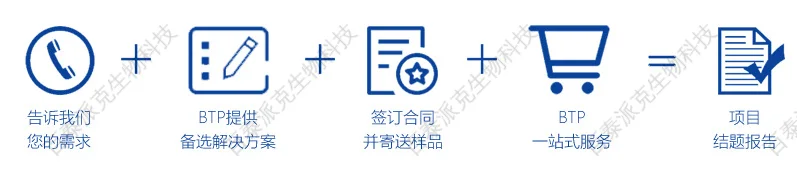
How to order?