






Protein Lactylation: Principles, Mechanisms, and Detection
Discovery of Protein Lactylation
For a long time, lactate has been considered a 'waste product' in cellular metabolism. In classical metabolic pathways, cells initiate glycolysis under hypoxic or high-intensity metabolic states, rapidly converting glucose into pyruvate. Due to the lack of oxygen, pyruvate cannot enter the tricarboxylic acid cycle in the mitochondria and is instead reduced to lactate to regenerate NAD⁺, allowing glycolysis to continue. This process, while maintaining energy supply, leads to the accumulation of lactate, which has long been labeled as a 'byproduct of anaerobic metabolism,' believed to need removal via transport or metabolism in the liver to maintain homeostasis.
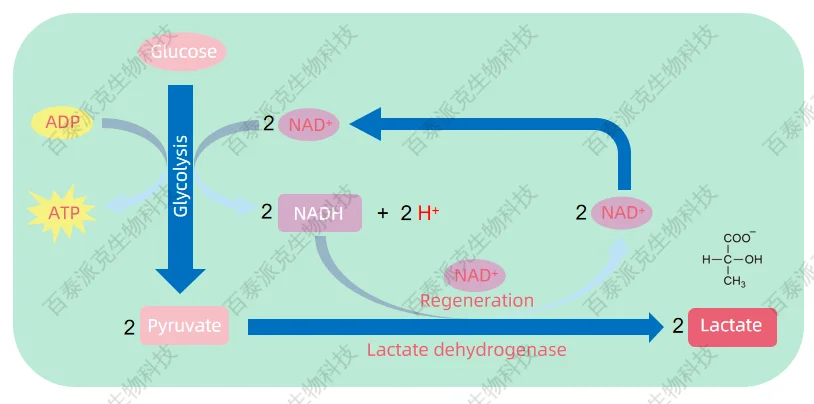
Fig. 1 Aerobic Glycolysis
However, recent studies have shown that lactate is not 'useless' but an active metabolic molecule with multiple regulatory functions. It can serve as metabolic fuel for 'shuttle utilization' between different cells and can participate in cell signal transduction through specific lactate receptors (such as GPR81), regulating immune, neural, and endocrine activities. More importantly, as a metabolic intermediate, lactate can modify lysine residues through acylation, forming a novel post-translational modification known as lactylation, revealing a new mechanism directly coupling metabolic states with gene expression.
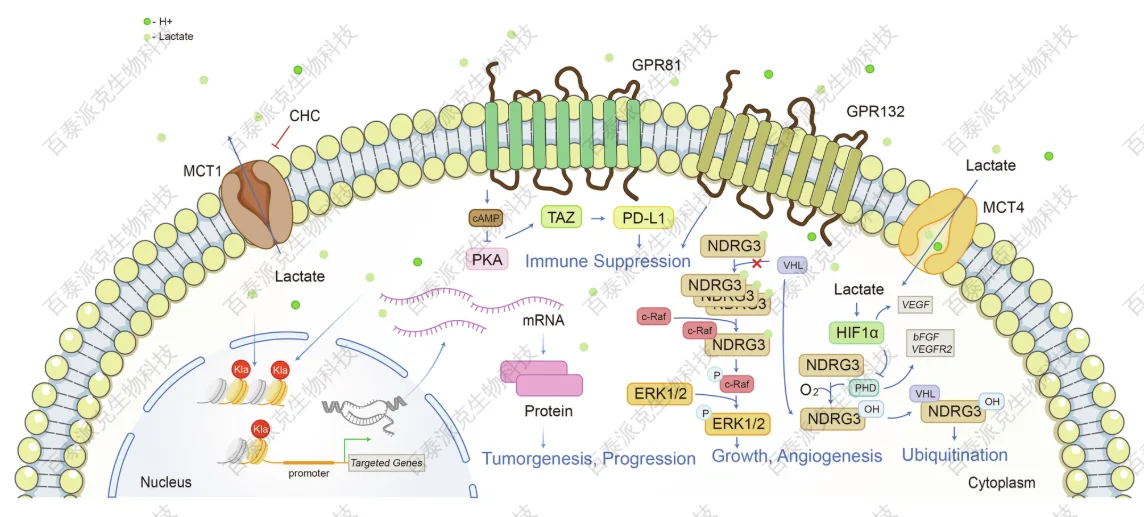
Chen, J. et al. Signal Transduct Target Ther. 2025.
Fig. 2 Lactate as an Important Signaling Molecule Inside and Outside Cells
In cells or tissues with high metabolic activity, such as tumor cells, activated immune cells (like macrophages), and ischemic tissue cells, lactate often accumulates at high concentrations. In these environments, lactate is no longer merely an energy metabolism byproduct but acts as a structural carbon source to regulate gene expression. The discovery of protein lactylation provides a new perspective for understanding the transformation relationship between 'metabolism-epigenetics-function' and opens a new avenue for mechanism research and intervention strategy development for related diseases.
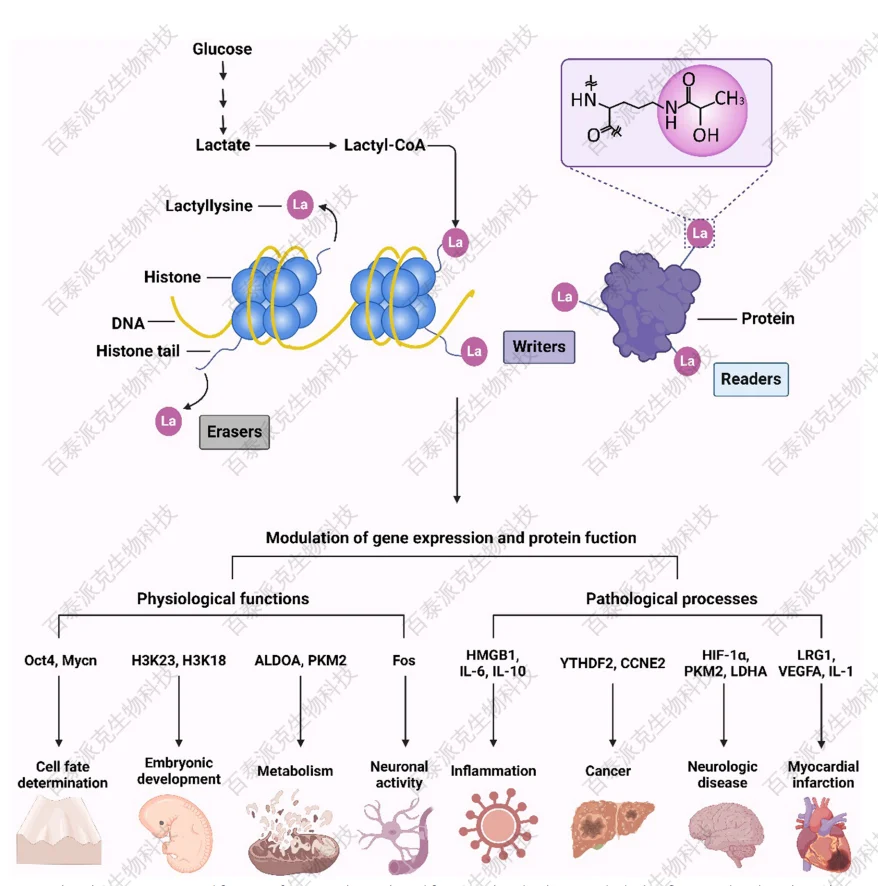
Hu Y, et al. Clin Epigenetics. 2024.
Fig. 3 Regulation of Gene Expression and Protein Function by Protein Lactylation
Mechanism of Lactylation
Protein lactylation is a novel lysine post-translational modification, chemically characterized by the covalent modification of protein lysine residues with a lactyl group (–CO–CH₃OH) via an amide bond. This process is thought to primarily depend on the metabolic intermediate lactoyl-CoA as an acyl donor, accomplished under certain enzymatic or non-enzymatic conditions. The generation of lactoyl-CoA may originate from enhanced glycolysis, lactate accumulation, or active metabolic bypass pathways involving coenzyme A.
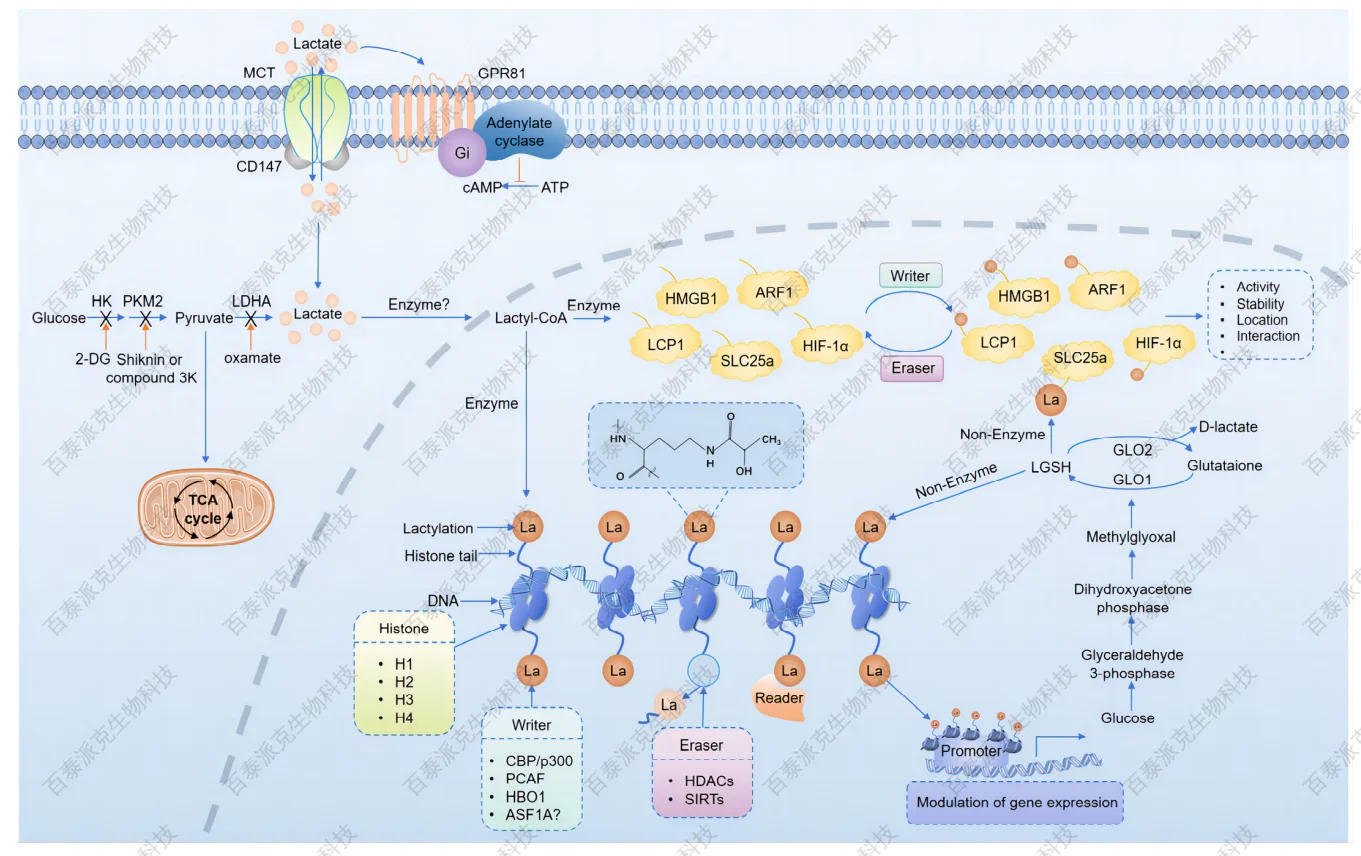
Liu J, et al. Biomolecules. 2024.
Fig. 4 Mechanism and Regulation of Lactylation
Although the 'writer' enzymes related to lactylation (i.e., catalytic enzymes mediating lactylation modifications) have not been systematically confirmed, studies have suggested that histone acetyltransferases (HATs) such as p300/CBP may have dual functions, transferring lactyl groups onto histone and non-histone lysines under specific metabolic backgrounds. Research indicates that p300 can directly bind with lactoyl-CoA under high lactate conditions, regulating lactylation levels at specific sites. Additionally, recent studies have attempted high-throughput screening to identify potential lactylation transferases, but no specific, well-defined 'writer' is widely recognized yet.
Compared to the writer system, research on 'eraser' enzymes (delactylases) for lactylation is even more preliminary. Some deacetylase family members, such as HDACs or Sirtuins (especially SIRT2, SIRT3), have shown certain delactylation activity in vitro, but their substrate specificity, cellular targets, and regulatory conditions require further validation. Because lactylation and acetylation are similar in mass and structure, traditional enzyme screening methods face technical challenges in distinguishing between them, limiting the depth of eraser research.
Furthermore, it is currently unclear whether there are 'reader' proteins for lactylation—domains that recognize lactylation modifications and mediate downstream functional effects. However, some research hypothesizes that certain transcription factors or chromatin remodeling complexes may participate in chromatin state regulation by sensing changes in lactylation sites; this direction is still in early exploratory stages.
It is noteworthy that lactylation might compete with other lysine modifications (such as acetylation, methylation, ubiquitination) at the same site or form cross-talk networks. Under stress, hypoxia, inflammation, and other microenvironments, these modifications dynamically change to collectively shape protein functional states and gene expression profiles. Therefore, lactylation is not merely an independent modification event but is nested within a more complex 'multi-modification interactive regulatory network,' with regulatory modes showing significant condition dependency and cell specificity.
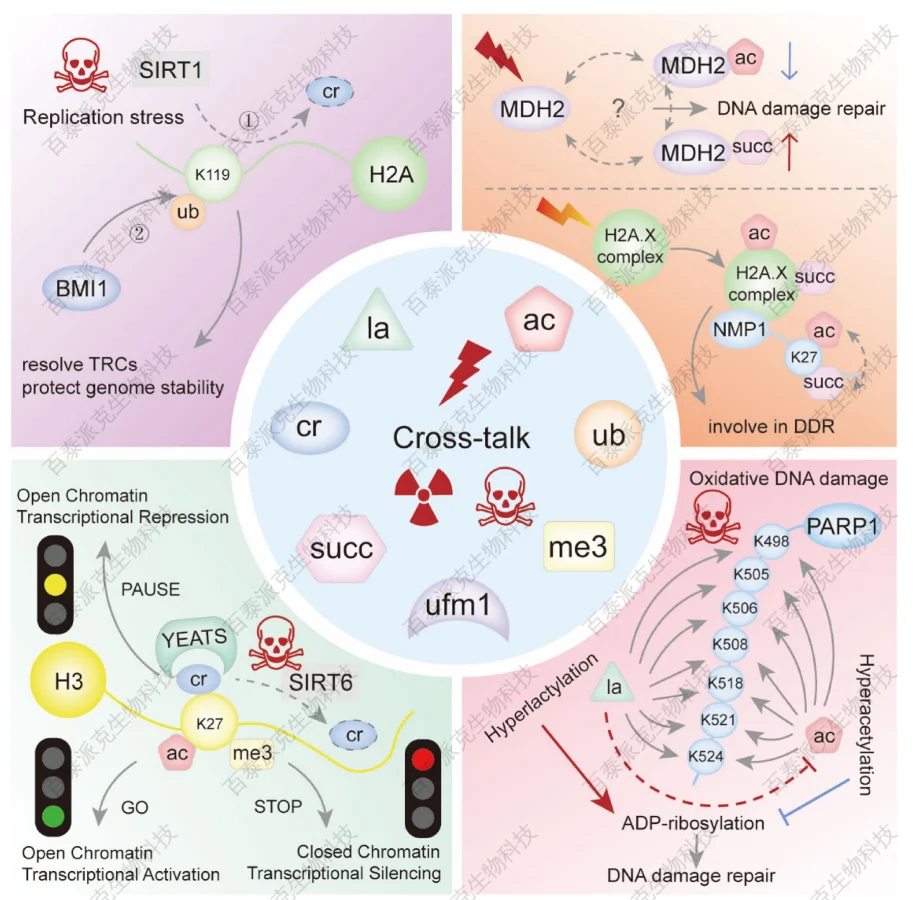
Song, H. et al. Genes Dis. 2022.
Fig. 5 Interaction of Lactylation in DNA Damage Response
Histone Lactylation and Non-Histone Lactylation
Lactylation was initially discovered on histones, especially lysine residues on histone H3 (such as H3K18, H3K9). Histone lactylation alters the structural state of chromatin, thereby regulating gene transcription activity. Experiments have shown that histone lactylation levels increase under hypoxia or inflammatory stimuli, participating in the regulation of pro-inflammatory factors and expression of repair-related genes. With advances in detection technology, more non-histone proteins have also been found to undergo lactylation modifications. These proteins include transcription factors, metabolic enzymes, signaling pathway proteins, suggesting that lactylation is not limited to chromatin regulation but may directly affect various biological processes such as cellular metabolism, immune recognition, and cell migration, with a broader functional range than initially thought.
The non-histone lactylation modification process involves a series of precise enzymatic reactions, first by lactylation enzymes (such as lysine lactylation transferases) that add lactyl groups to the lysine residues of target proteins. This process typically occurs under cellular energy metabolic pressure, particularly under hypoxia, inflammatory response, or metabolic stress conditions, where lactate concentration rises, activating lactylation transferases. During lactylation, lactyl groups form reversible lactylation modifications by binding with the amino group of lysine through an amide bond. This modification not only changes protein conformation and stability but also regulates various cellular processes such as gene transcription, cell cycle, immune response, and cell migration by affecting protein-protein interactions, subcellular localization, and catalytic activity, becoming an important biological regulatory mechanism.
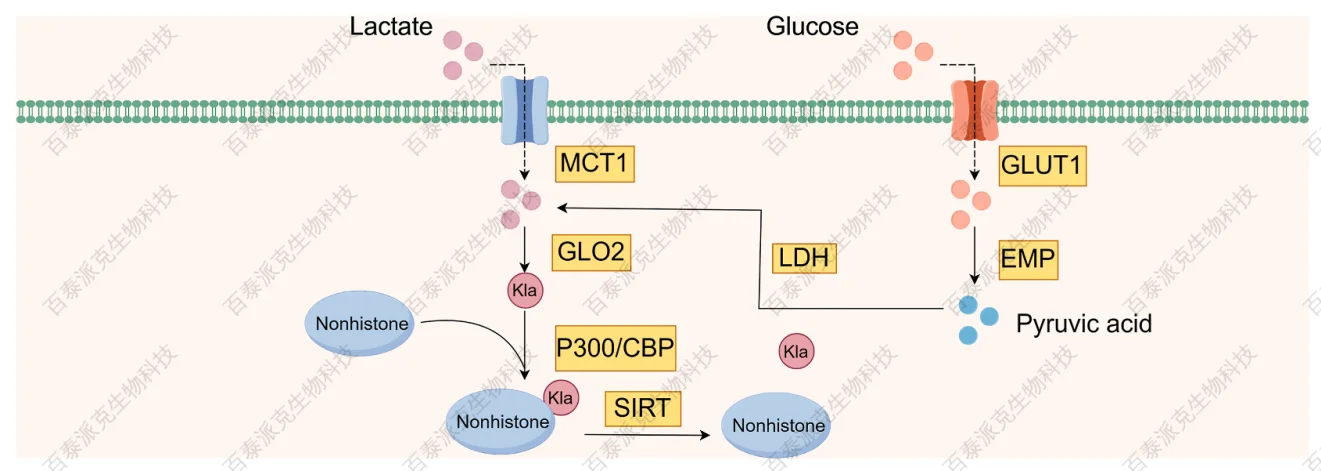
Yu, H. et al. Heliyon. 2024.
Fig. 6 Generation of Non-Histone Lactylation
Lactylation and Disease: From Mechanism to Pathological Relevance
Lactylation is increasingly being confirmed to play an important regulatory role in various major diseases. Its core mechanism involves lactate accumulation modifying lysine residues on proteins, altering gene expression and cell function, thereby intervening in inflammation, immune, metabolic, and nervous system multi-layered regulation.
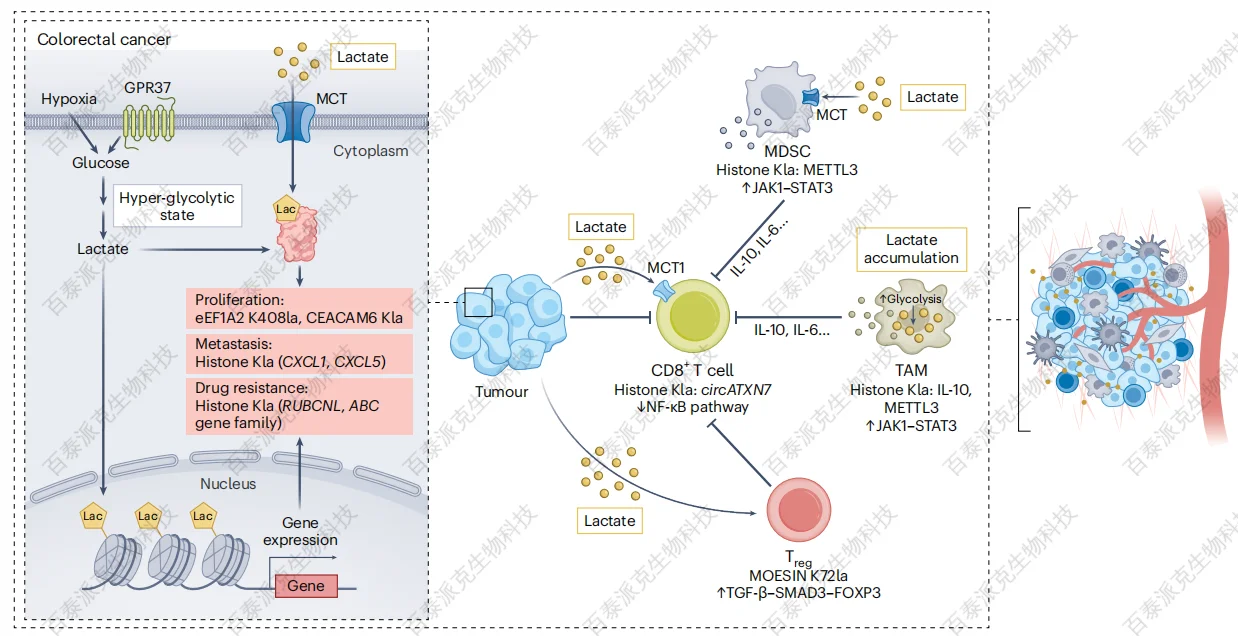
Ren, H. et al. Nat Metab. 2025.
Fig. 7 Protein Lactylation in Tumors
Through the coupling of metabolic sensing and epigenetic regulation, lactylation presents significant regulatory roles in various diseases, and it is expected to become a new target for disease intervention in the future.
Therapeutic Targets and Intervention Strategies Related to Lactylation
Due to the important role of lactylation in diseases, increasing research is exploring its feasibility as a therapeutic target. One important approach is to indirectly influence lactylation levels by modulating intracellular lactate concentration. For example, inhibitors of lactate dehydrogenase (LDH), which inhibit lactate production, or inhibitors of monocarboxylate transporters (MCT) that block lactate export, have been used in experimental therapies.
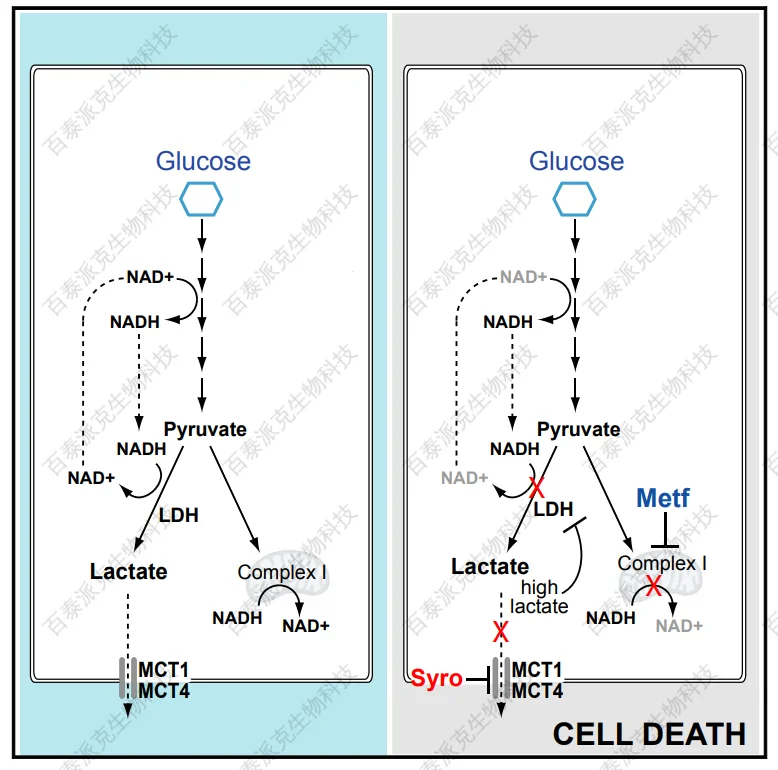
Benjamin, D. et al. Cell Rep. 2018.
Fig. 8 Mechanism of MCT Inhibitor Xylosepine in Inhibiting Lactate Production
Simultaneously, researchers are also attempting to identify 'writer,' 'eraser,' and 'reader' proteins of lactylation to develop targeted enzyme regulatory intervention strategies. Although no specific small-molecule drugs targeting lactylation have entered clinical trials yet, it has become an emerging field combining epigenetic regulation and metabolic intervention, with great translational potential in the future.
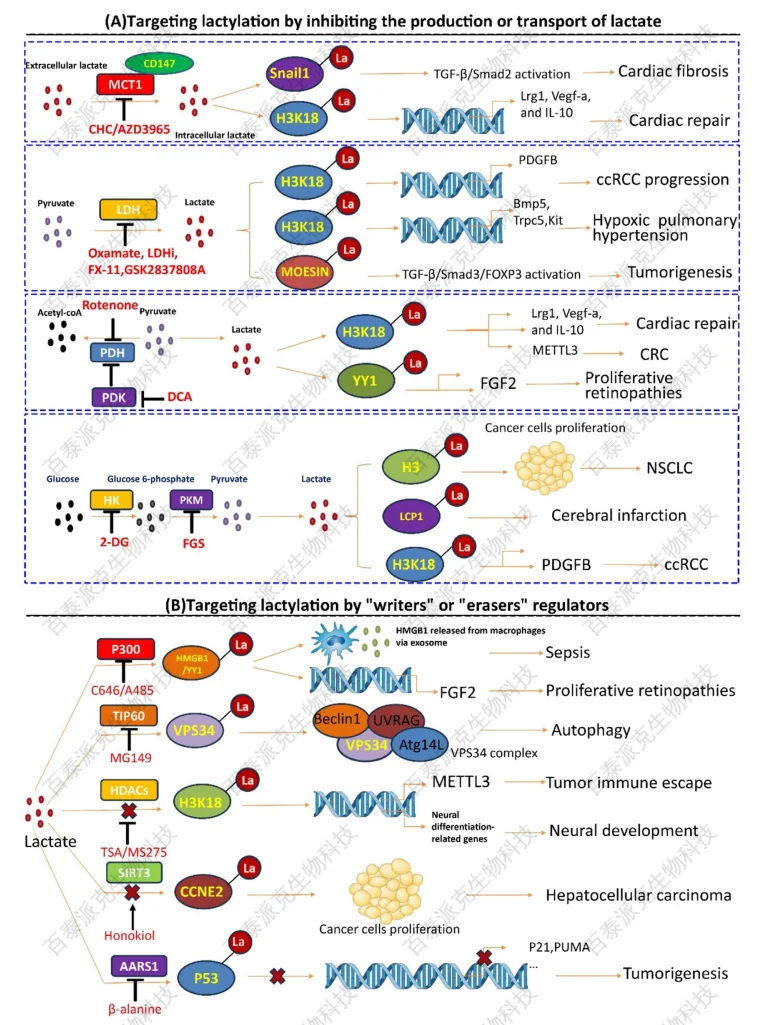
Hu, XT. et al. J Adv Res. 2024.
Fig. 9 Strategies for Targeting Lactylation Regulation
Methods for Analyzing Lactylation
The discovery of lactylation owes much to advanced mass spectrometry techniques. Current mainstream analysis processes include: enzymatic digestion of proteins, enrichment of lactylated peptides, detection using high-resolution LC-MS/MS, and identification and quantification of lactylation sites through database comparison and manual correction. Common database search engines like pFind and Byonic now support lactylation modification recognition.
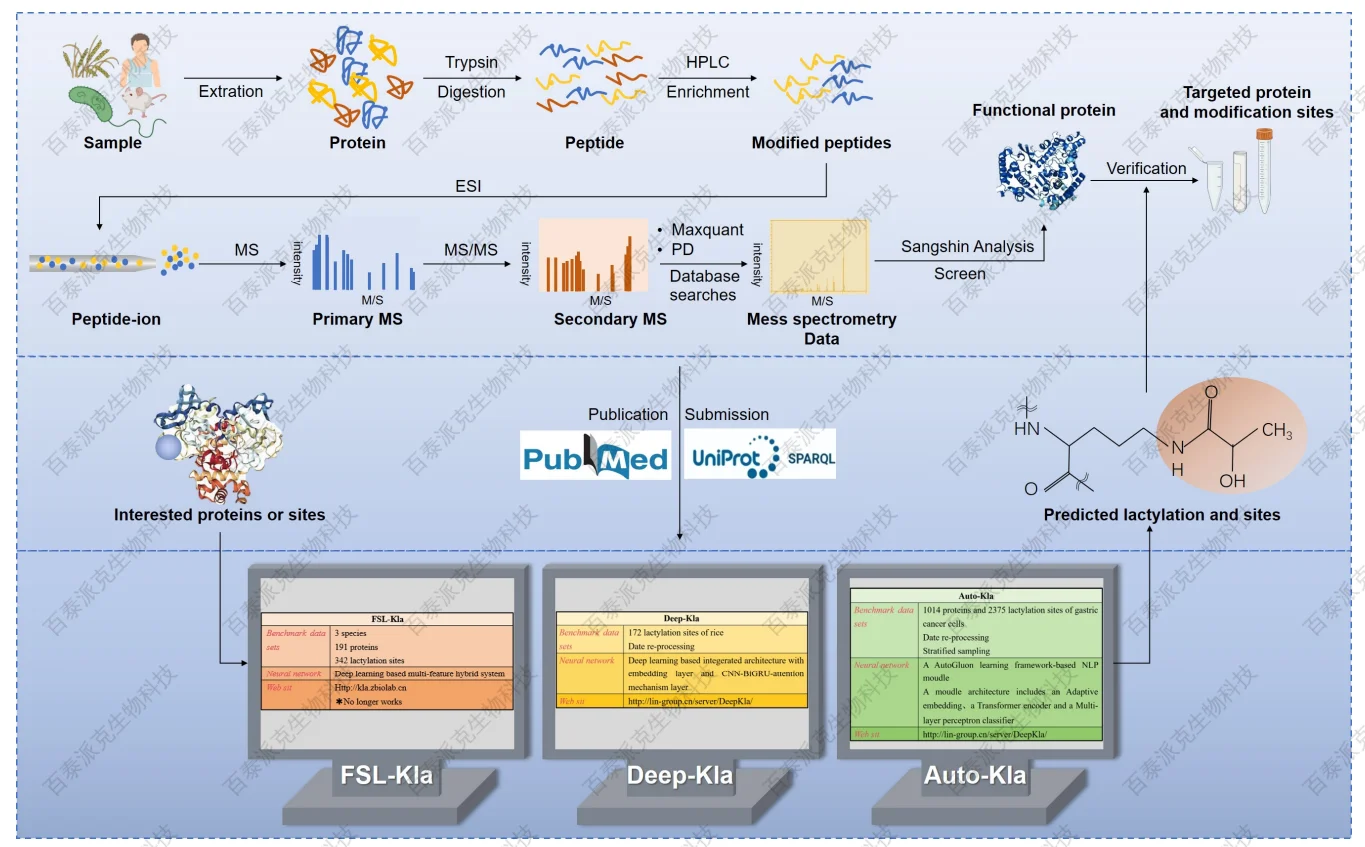
Liu, J. et al. Biomolecules. 2024.
Fig. 10 Lactylation Analysis Workflow
Additionally, to enhance detection sensitivity and specificity, researchers are developing lactylation-specific antibodies for use in Western blotting or immunoenrichment. In the future, as antibody quality improves and multiplex interference recognition algorithms develop, lactylomics will transition from the 'discovery phase' to 'functional analysis and systems modeling,' fostering the maturation of this field.
Conclusion
Lactylation, as a metabolism-driven protein modification, is gradually changing the outdated perception that 'lactate is merely waste.' It acts as a bridge connecting metabolic state, chromatin state, and cellular function, providing new perspectives for understanding disease mechanisms, discovering therapeutic targets, and constructing regulatory networks.
Although current research on lactylation is still in its infancy, with unclear mechanisms and technical limitations, its scientific significance and application potential are undeniable. Biotec-Pack will continue to focus on and promote the development of proteomics technologies related to lactylation, providing strong support for basic research and biopharmaceutical translation.
For more information about Biotec-Pack's analytical services in lactylation modification research, please contact our technical team for detailed information and personalized solution suggestions.
Biotec-Pack Biotechnology—A Leading Service Provider in Bioproduct Characterization and Multi-Omics Mass Spectrometry Testing
Related Services:
How to order?




