






Breakthrough from a Single-Cell Perspective, Newcomer in Mass Spectrometry Technology—proteoCHIP EVO 96 Technology Promotes Efficient Development of Single-Cell Proteomics
Single-cell proteomics (SCP) is one of the cutting-edge research areas in the field of biology, focusing on deciphering the protein expression profiles and their dynamic changes at the single-cell level. Traditional proteomics techniques mainly target population or tissue levels, making it difficult to reveal the heterogeneity of individual cells. However, cellular heterogeneity plays a significant role in tissue function, biological mechanisms, and disease progression, thus necessitating precise detection tools at the single-cell level. In recent years, single-cell proteomics based on mass spectrometry has made significant progress, with improved sensitivity and throughput, though achieving high reproducibility and quantification of thousands of proteins within individual cells remains challenging. To address this, Steven A. Carr and Claudia Ctortecka's team at MIT and Harvard University's Broad Institute have proposed a dedicated sample preparation chip—proteoCHIP EVO 96 technology, combined with the Evosep One liquid chromatography system, to establish an efficient, high-throughput, low-loss single-cell proteomics analysis platform. The application of proteoCHIP EVO 96 technology not only advances the field of single-cell proteomics but also provides new solutions for studying complex biological problems. As a provider of high-quality biomolecular mass spectrometry services, BGI-Park Biotech is committed to offering advanced, high-quality single-cell proteomics analysis services to researchers.
The new workflow based on proteoCHIP EVO 96 significantly enhances protein detection depth and throughput by directly transferring single-cell samples to the Evosep system for online desalting and separation, demonstrating its ability to analyze complex biological phenomena at the single-cell level. This technology also supports full automation, optimizing the preparation and injection process of single-cell samples. In July 2024, the MIT and Harvard University Broad Institute team published their key research results and technological highlights in Nature Communications:
1. proteoCHIP EVO 96 minimizes peptide adsorption loss
proteoCHIP EVO 96 is a micro-mechanical low-adsorption PTFE chip with tapered nanopores in a 96-well plate layout. The nanopores are pre-injected with 3 μL of hexadecane. Sample protein extraction and enzymatic digestion occur within these nanopores, reducing adsorption loss due to pipetting or sample transfer. The proteoCHIP EVO 96 is connected to the top of Evotips, and by altering the temperature of proteoCHIP EVO 96, liquid sample droplets are completely separated from solid hexadecane (to adapt each Evotip to each nanopore, coupled with the Evosep One high-performance liquid chromatography system used for online desalting with a disposable trapping column) to achieve automated sample injection.
The study used five cell samples to evaluate the impact of sample transfer methods on peptide recovery rates by manual injection and automated injection (Figure 1a). Results showed that the median proteome generated per analysis run with manual injection was 582 proteins, while the median proteome for each single cell with automated Evotips injection was 812 proteins; manual injection did not lose peptides with specific hydrophobicity indices (GRAVY), but automated injection detected peptides of lower abundance (Figure 1c); the unique peptide sequence overlap rate between the two sample transfer strategies was 99%, with only 37 unique peptides in the automated injection samples. This demonstrates the benefits of direct sample transfer through the dedicated design of proteoCHIP EVO 96.
Based on the default trypsin ddaPASEF acquisition strategy used in Figures 1b and 1c, the study further optimized the timsTOF acquisition method and found that combining direct sample loading with the 40SPD Evosep One separation method could recover approximately twice the amount of protein and increase sample throughput by 30%.
Additionally, the study evaluated the differences in data integrity and dynamic range of single-cell samples obtained using direct Evosep vs. manual nanoElute methods based on proteoCHIP EVO 96 (Figures 1e, f). It was found that the data integrity of directly transferred Evosep samples improved by 12% compared to manual nanoElute methods (Figure 1e). Besides increasing peptide recovery rates and reducing losses, direct transfer Evosep samples showed a similar dynamic range compared to manual nanoElute samples (Figure 1f). Using manual nanoElute or direct Evosep methods, SCP samples prepared with proteoCHIP EVO 96 had similar peptide segments close to five orders of magnitude (Figure 1f). Compared to ddaPASEF acquisition, diaPASEF obtained higher precursor abundance in direct Evosep SCP samples than manual nanoElute (Figure 1c vs. f). Based on this, the research team hypothesized that the increased speed of dedicated diaPASEF acquisition strategies combined with the peak capacity of 40SPD enabled the research team to sample precursors more effectively across the entire dynamic range (Figure 1f).
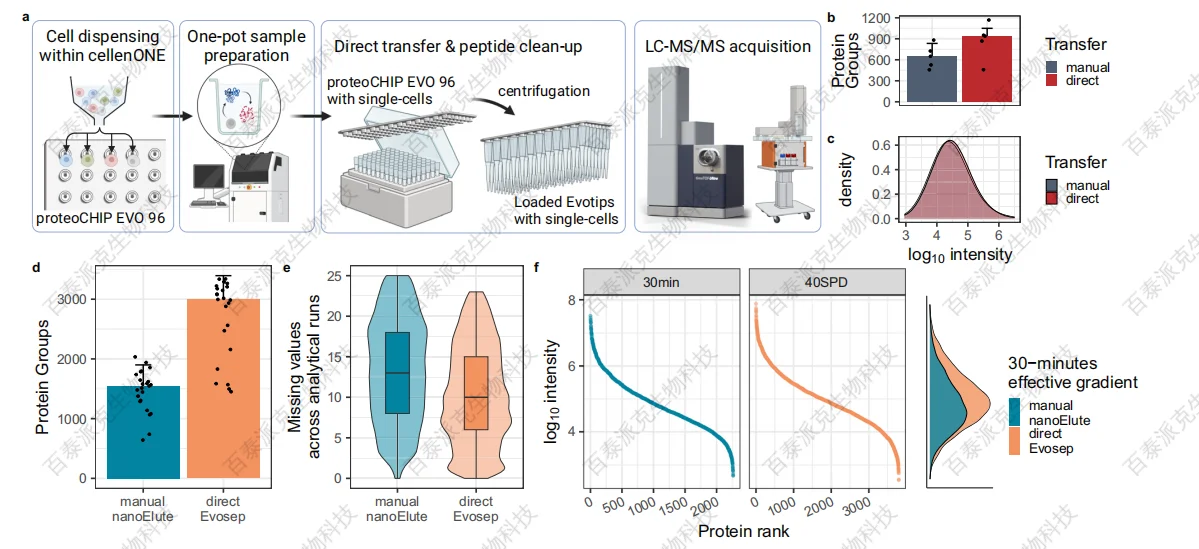
Figure 1. Direct injection VS manual injection
2. High-throughput conditions can still identify up to 3500 proteins
Most standard SCP projects require hundreds to thousands of single cells to address tissue or population heterogeneity and understand underlying biological characteristics. However, shorter chromatographic separation times pose challenges to the acquisition speed and effective ion utilization rate of timsTOF SCP. The study selected 40SPD and 80SPD methods to separate peptides at 100 nL/min using a 5 cm Aurora Rapid column, with 80SPD increasing throughput by 2-fold. It was found that almost all proteins identified with 80SPD could be identified with the 40SPD method, proving the repeatability of the study team's SCP workflow and acquisition strategy (Figure 2b).
Next, the study examined the overall abundance of quantified proteins using the 40SPD and 80SPD methods. The increased throughput with the 80SPD separation method reduced the dynamic range of single-cell analysis by one order of magnitude (Figure 2c), with E3 ubiquitin ligases chosen as the target proteins to study the impact of this reduction on protein identification and quantification. Specifically, using the 40SPD method, the research team identified over 50 E3 ubiquitin ligases in single cells, while 13 were recovered using the 80SPD method (Figure 2c). Although the intensity of ligases detected with the 80SPD method was reduced by nearly one order of magnitude, the abundance rank order remained consistent between the two methods (Figure 2c). Based on the reduced quantity and dynamic range identified with the 80SPD method, but nearly complete overlap of identified proteins, the research team speculated that unobserved proteins were of lower abundance. In fact, proteins with MS1 abundance less than 1e3 in 40SPD were generally below the detection limit in 80SPD (Figure 2d). Additionally, more frequent precursor co-isolation in shorter gradients increased MS/MS scan complexity and may lead to signal suppression of low-abundance precursors (Figure 2e). This shows that 2-fold higher single-cell analysis throughput is feasible under reduced analysis depth.
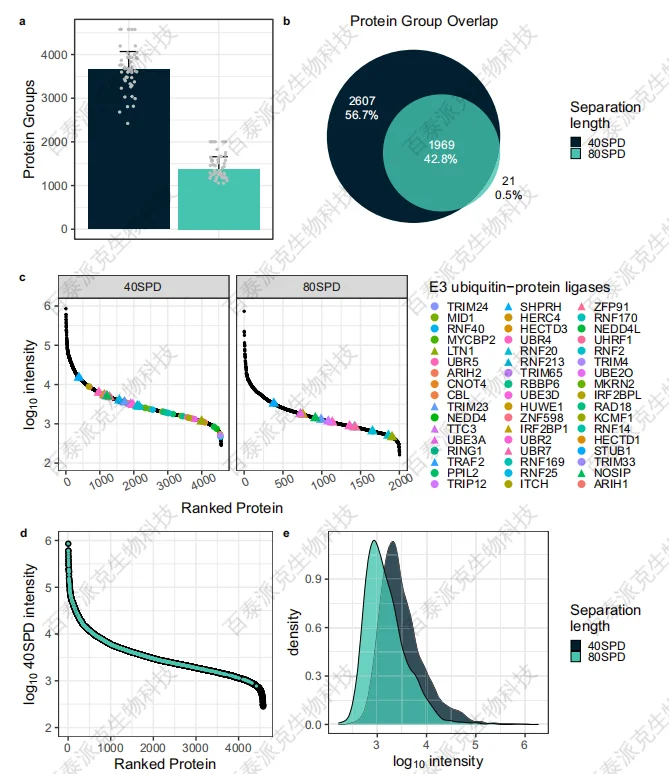
Figure 2. Impact of increasing throughput on protein identification results
3. Validation of LPS-induced proteome changes at the single-cell level
Lipopolysaccharide (LPS) is known to stimulate inflammation, cytokine production, and activate metabolic responses in various cells. The research team investigated whether the SCP workflow based on proteoCHIP EVO 96 could be used to analyze the effects of LPS stimulation at the single-cell level. For this purpose, 200 ng/mL LPS (n = 77) and DMSO control (n = 84) were used to treat commonly used human leukemia monocytic cell line (THP-1 13.7µm) for 12 hours. After treatment, cells were processed with the research team's proteoCHIP EVO 96 workflow, transferred to Evotips, and data was acquired on timsTOF Ultra using the 40SPD method (Figure 3a). Up to 1537 proteomes were identified, with a median of 1149 proteomes per cell (Figure 3b), and the number of identified proteins was relatively reduced compared to HEK-293T (26.7µm) cells shown in Figure 2a due to changes in cell volume (Figure 2a, Figure 3b); differential analysis of proteins identified in the two sample groups found that 214 proteins were significantly upregulated in LPS-treated cells compared to DMSO control, while 15 proteins were significantly downregulated (Figure 3d); gene set enrichment analysis (GSEA) results showed that the enriched pathways of gene sets after LPS treatment regulated proteins related to inflammatory pathways such as interferon signaling pathways and interleukin signaling, particularly interleukin-12 family, which is consistent with the known effects of LPS (Figure 3e).
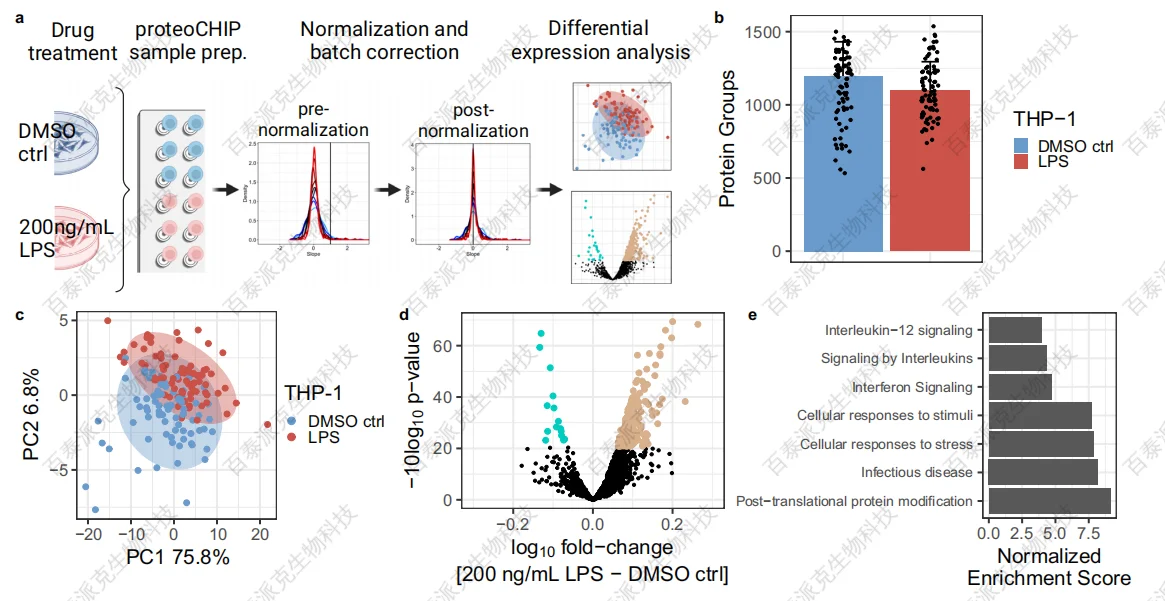
Figure 3. Analysis of single-cell proteomics results using the 40SPD system
The study utilized specially designed chips (cellenONE and proteoCHIP EVO 96) for sample processing. By direct interfacing with the Evosep One chromatography system, online desalting and highly repeatable separation were achieved, combined with Bruker timsTOF, demonstrating dual recognition without manual sample processing. The latest generation timsTOF Ultra recognized up to 4000 proteins, with an average of 3500 proteomes identified per HEK-293T cell; additionally, the study analyzed hundreds of LPS-disturbed THP-1 cells through highly repeatable single-cell proteomics workflows, identifying key regulatory proteins involved in interleukin and interferon signaling. This demonstrated that the sample preparation based on proteoCHIP EVO 96 with timsTOF Ultra provided sufficient proteome depth to study complex biology beyond cell type classification.
Through its innovative design and perfect combination with Evosep One, proteoCHIP EVO 96 technology significantly reduces errors from manual operations while enhancing sample preparation efficiency, detection depth, and throughput, paving new paths for single-cell proteomics research. Whether exploring cellular functional heterogeneity, inflammation response analysis, drug target discovery in basic research, or developing personalized clinical research diagnostic solutions, this technology shows broad application prospects, providing strong support for exploring life mysteries and overcoming difficult diseases, promoting efficient development of single-cell proteomics.
Based on Thermo Orbitrap Astral high-resolution mass spectrometer and Bruker timsTOF HT equipment, combined with the fully integrated automatic single-cell sorting platform CellenONE, BGI-Park Biotech offers precise and efficient single-cell proteomics analysis services. Whether high-throughput cellular analysis or in-depth research of complex samples, BGI-Park Biotech provides precise and reliable data support, customized solutions, and safeguards for your scientific research.
BGI-Park Biotech—Characterization of biological products, multi-omics biomolecular mass spectrometry high-quality service provider
Related services:
How to order?




