






Introduction to Single-Cell Proteomics
Single-cell proteomics refers to the comprehensive and precise analysis of the proteome within individual cells using mass spectrometry techniques, aiming to reveal protein expression in cells under different physiological and pathological conditions. In living organisms, cell functions are not static but regulated by various factors. Even within the same tissue, different cells may exhibit vastly different protein expression patterns, and this intercellular heterogeneity is the root of many biological phenomena. The greatest advantage of single-cell proteomics is its ability to perform cell-type-specific differential expression analysis, uncovering cellular heterogeneity, and thus studying cell behavior and function at a more refined level. This helps us better understand the dynamic changes of cells under specific physiological, pathological, or therapeutic conditions. By precisely analyzing the protein composition of individual cells, researchers can not only delve into various intracellular signaling pathways, protein interactions, and metabolic pathways but also reveal disease mechanisms at the single-cell level. For example, the protein heterogeneity inside and outside tumor cells may affect the tumor's invasiveness, metastasis, and response to treatment. Therefore, single-cell proteomics has become an important tool for studying personalized cancer treatment. As a provider of high-quality biological mass spectrometry services, Biotech Pack focuses on offering researchers professional one-stop single-cell proteomics services, helping clients reveal complex protein information within individual cells through efficient mass spectrometry technology.
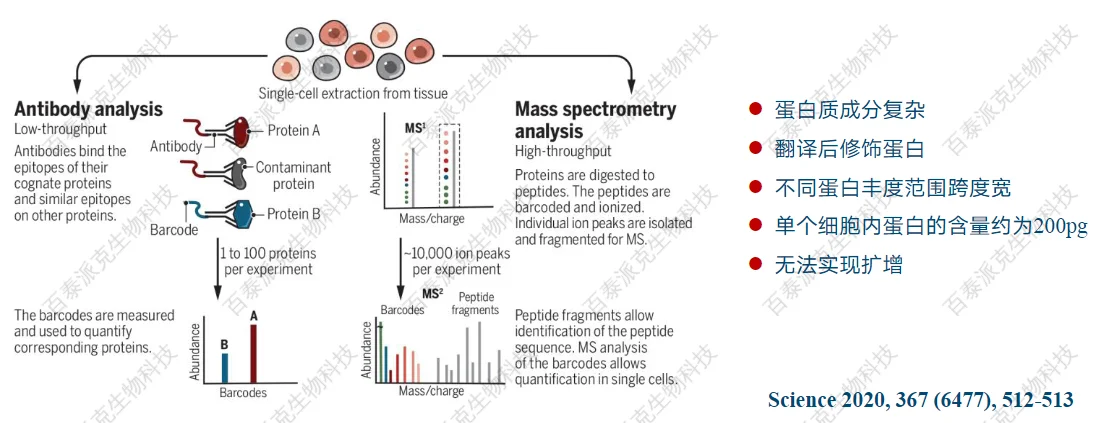
Figure 1
1. Why conduct single-cell research?
1. Single-cell research can reveal the mechanisms of different cell subgroups within the tumor microenvironment, helping to deeply understand cancer occurrence, development, metastasis, and immune evasion, and providing potential innovative therapeutic targets.
Tumors are composed of multiple cell types, including cancer cells, fibroblasts, immune cells, and endothelial cells, each of which consists of multiple distinct cell populations. Their close interactions often induce changes in cells within the tumor microenvironment to support tumor growth. Fibroblasts are retrained to provide physical and biochemical support for cancer cell growth, blood vessels grow to supply nutrients and oxygen, and immune cells that could originally destroy cancer cells are often converted by cancer cells to promote cancer cell growth. Due to the high heterogeneity of cells, exploring the roles of specific cell subgroups in cancer occurrence, development, metastasis, and immune evasion, or investigating the genes or proteins of subgroups for innovative cancer targets, requires single-cell research.
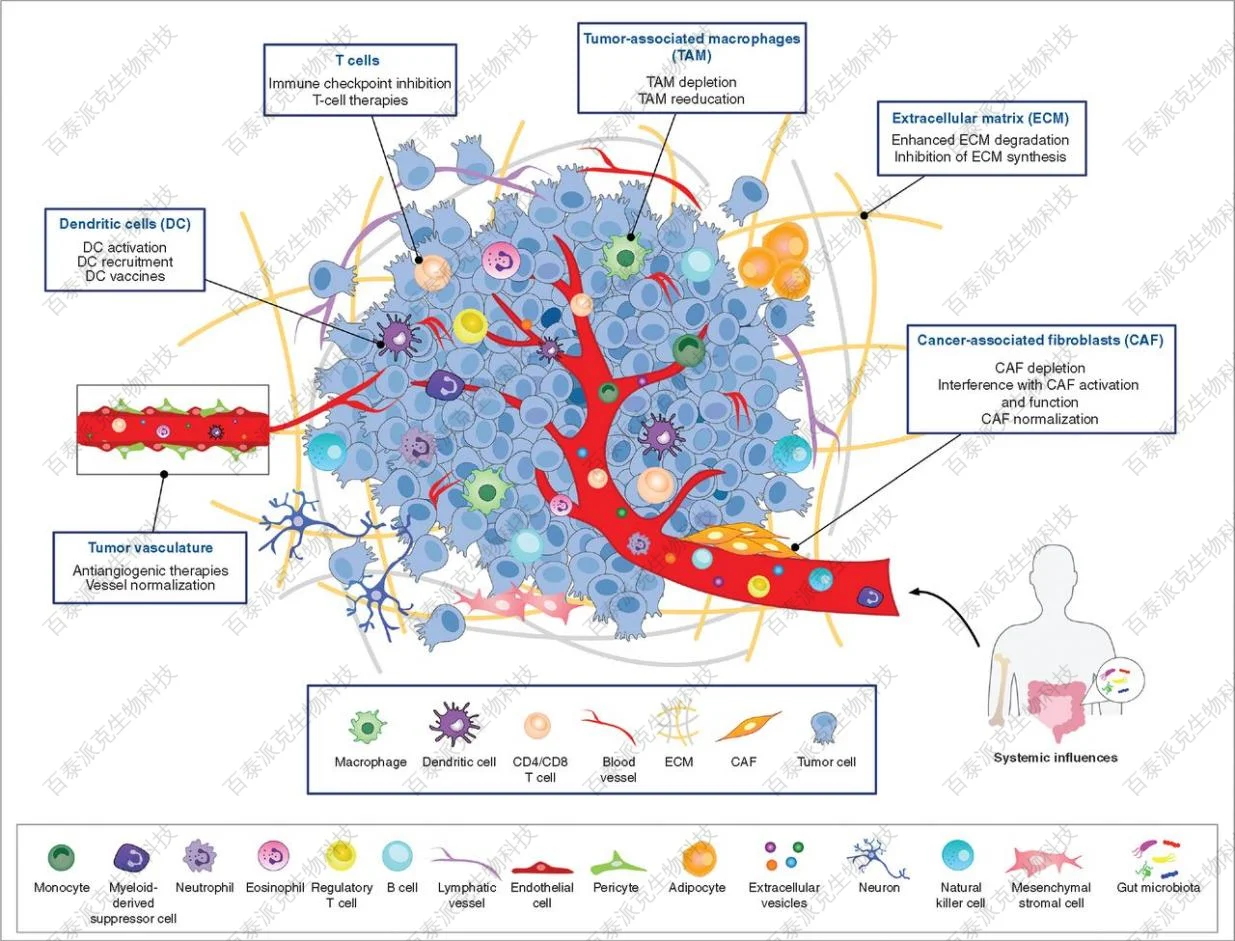
Figure 2Cancer Discov (2021) 11 (4): 933-959.
2. Precision medicine has entered the era of single-cell
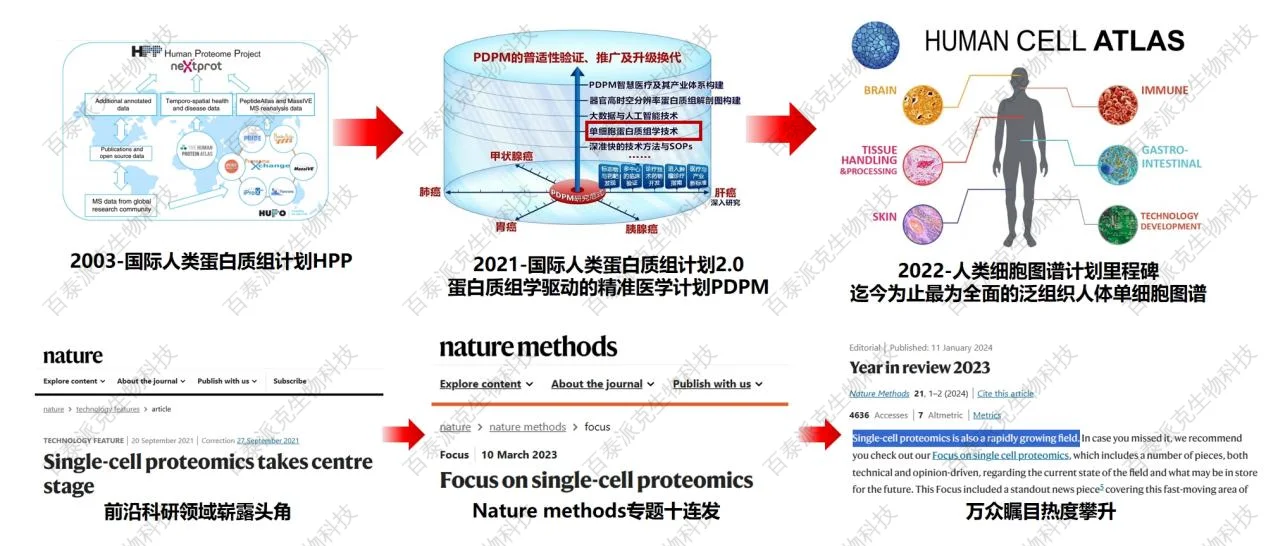
Figure 3
3、Compared to traditional omics technologies, single-cell omics technology has significant advantages
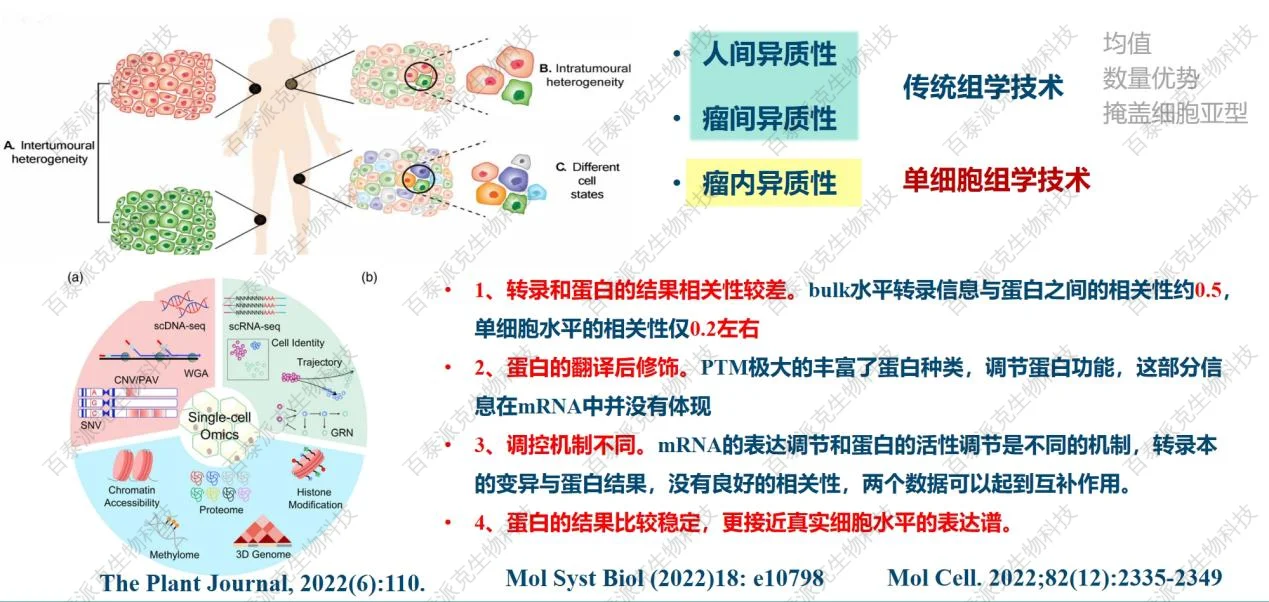
Figure 4
4. Single-cell proteomics can provide richer and more precise cell feature descriptions
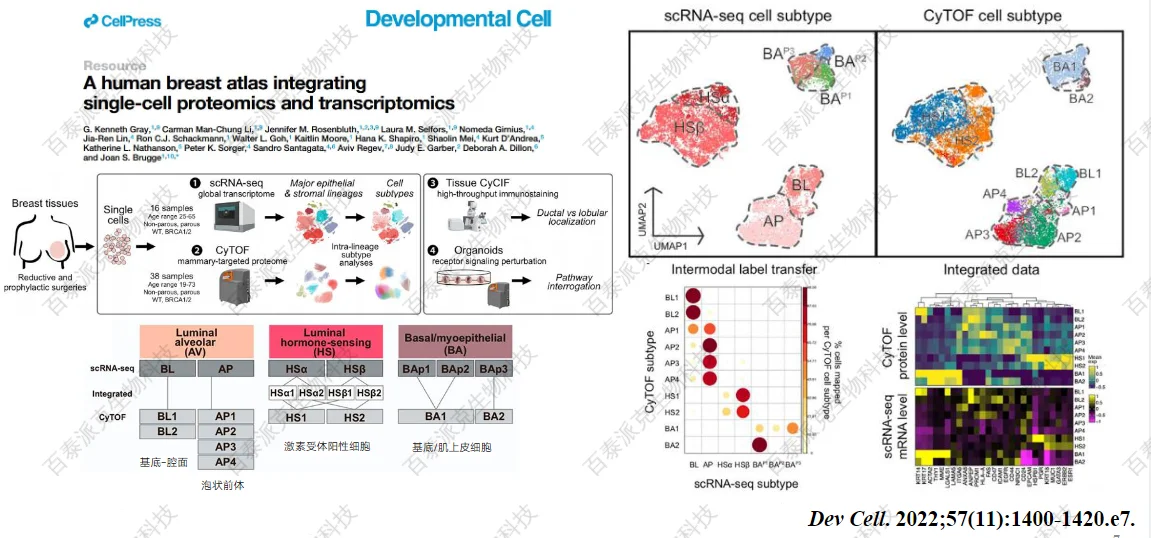
Figure 5
2. Single-cell proteomics process - CellenOne
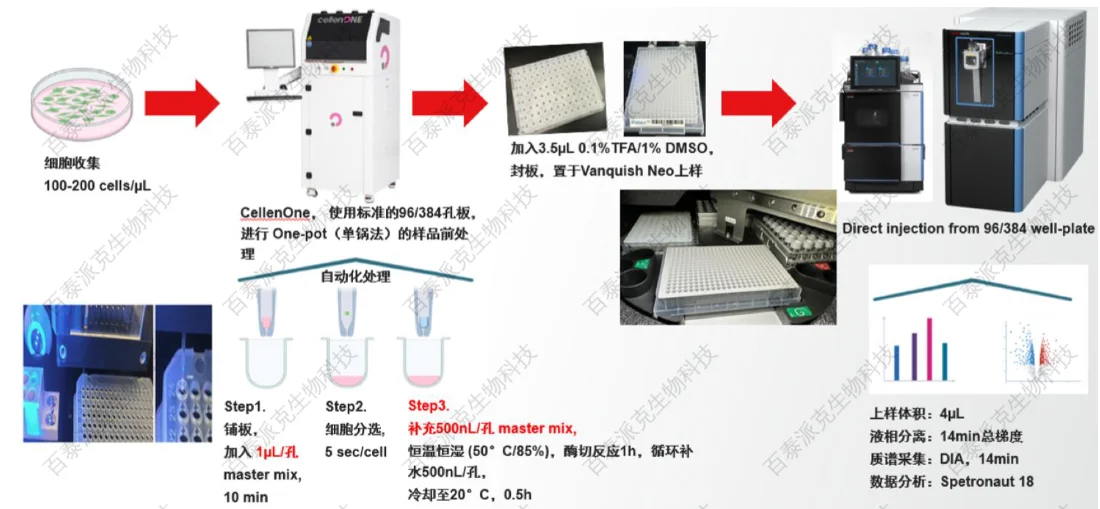
Figure 6
1. CellenOne technology principle
By using an automated robotic arm, the needle with cell suspension is positioned in front of a high-speed camera. The needle is equipped with a piezoelectric device that can control extrusion and generate droplets. Photographs of the ejection area of the needle are taken, and when a droplet contains a single cell meeting the set parameters for cell diameter, roundness, and fluorescence intensity, it falls into the well plate. Droplets containing multiple cells and empty droplets are recovered into a collection tube in front of the high-speed camera for redistribution.
2. Advantages
(1) Gentle sorting: Adopts piezo-acoustic dispensing technology, offering lower shear stress and loss rate, and higher cell survival rate, suitable for most cell types;
(2) Optical monitoring: Utilizes advanced visual processing technology to automatically determine subsequent sorting operations through software-integrated visual feedback;
(3) High single-cell rate: Ensures only single cells enter subsequent processes, achieving true single-cell isolation with a single-cell isolation rate of 98%;
(4) Low loss rate: Droplets containing multiple cells are recovered for redistribution;
(5) Fully automated process: Integrates the entire process from cell suspension to single-cell preparation system automation using a robotic arm combined with a nanoscale reagent dispensing system, ensuring high reproducibility of results.
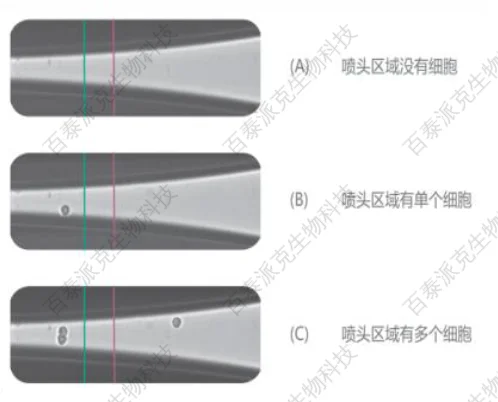
Figure 7
3.Single-cell proteome analysis example
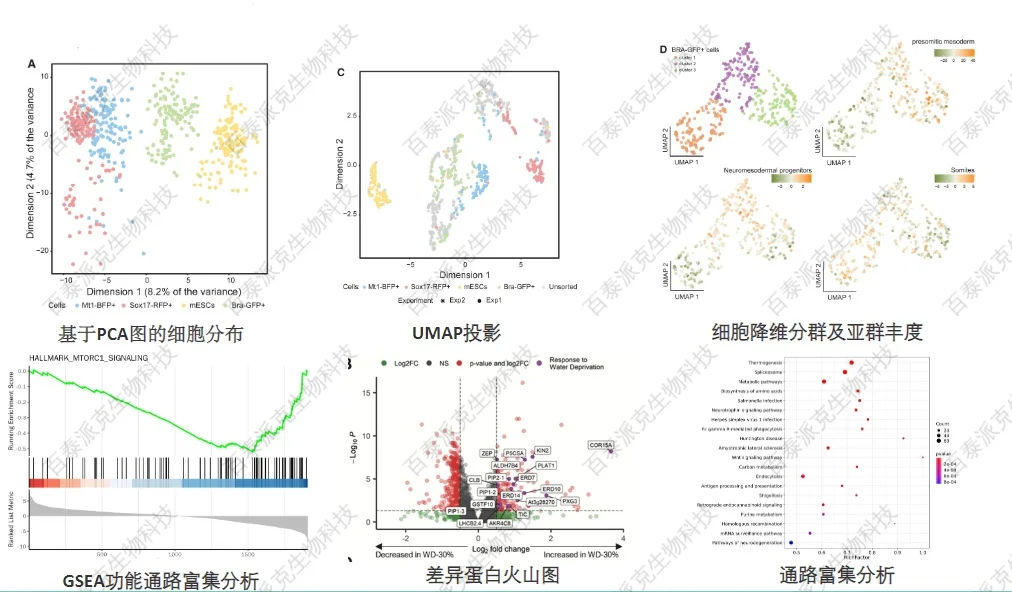
Figure 8
4.Single-cell proteome-related literature and application scenarios
Characteristics of application scenarios with limited cell heterogeneity (e.g., early embryonic development, stem cell differentiation, etc.):
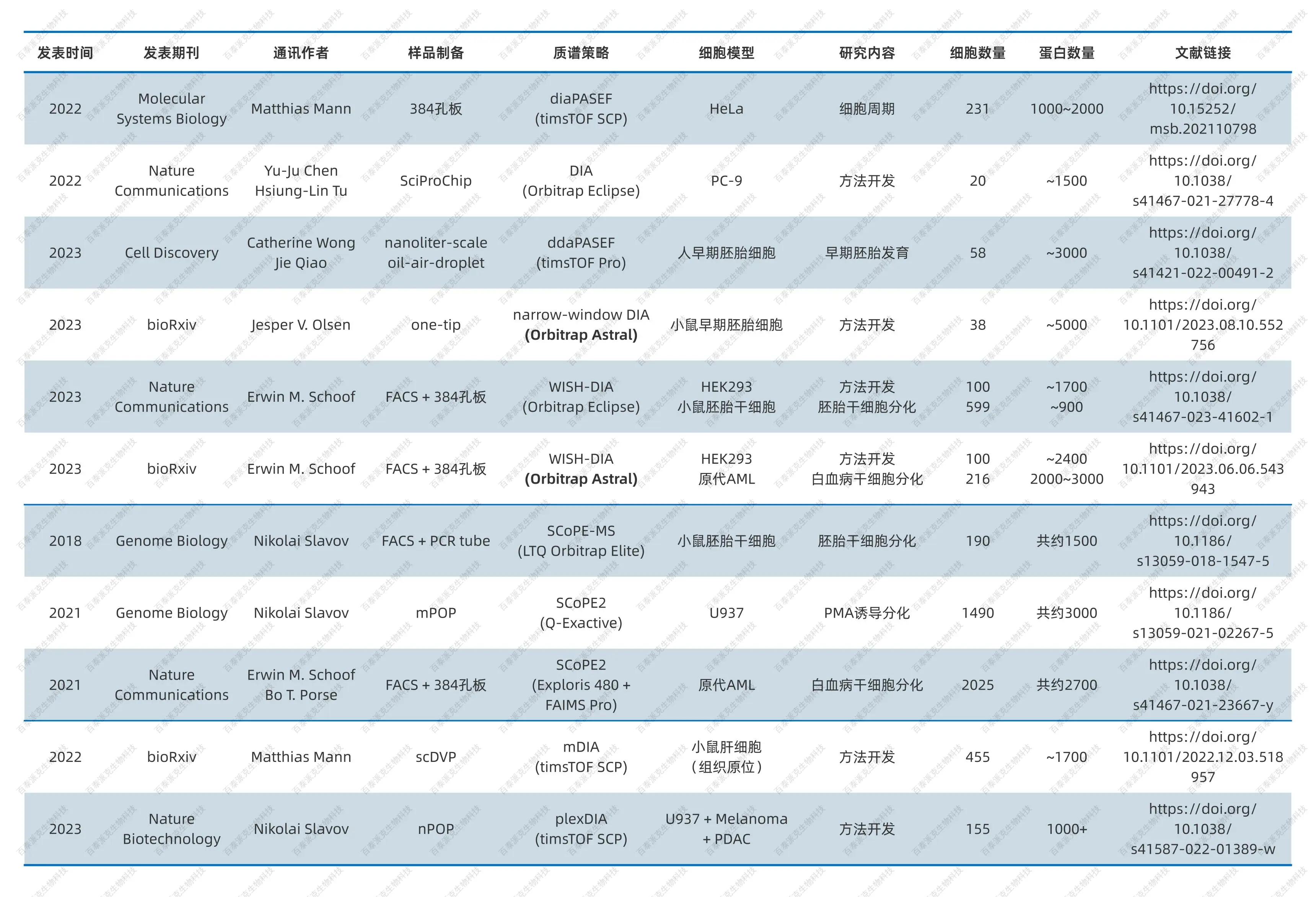
Table 1
Literature application case one (cell heterogeneity)
Title: Deciphering lineage specification during early embryogenesis in mouse gastruloids using multilayered proteomics
Using multilayered proteomics to decipher lineage characteristics during early embryonic development in mouse gastruloids
1. Scientific question
Germ layer formation during embryonic development involves complex gene regulatory programs, and proteomics studies in early mammalian development are relatively scarce
2. Sample
Using embryo-like structures formed from mouse embryonic stem cells (mESCs), including SOX17-RFP+ (endoderm), BRA-GFP+ (mesoderm), MT1-BFP+ (ectoderm) cells, and undifferentiated mouse embryonic stem cells
3. Omics
Single-cell proteomics, proteomics, single-cell transcriptomics, CHIP-seq
4. Results
(1) Quantified a total of 560 cells, 2259 proteins
(2) Through SCP analysis of the BRA-GFP+ cell population (363 cells), identified three distinct cell subgroups corresponding to cell subtypes of neural mesodermal precursors (NMPs), somites, and pre-somitic mesoderm (PSM)
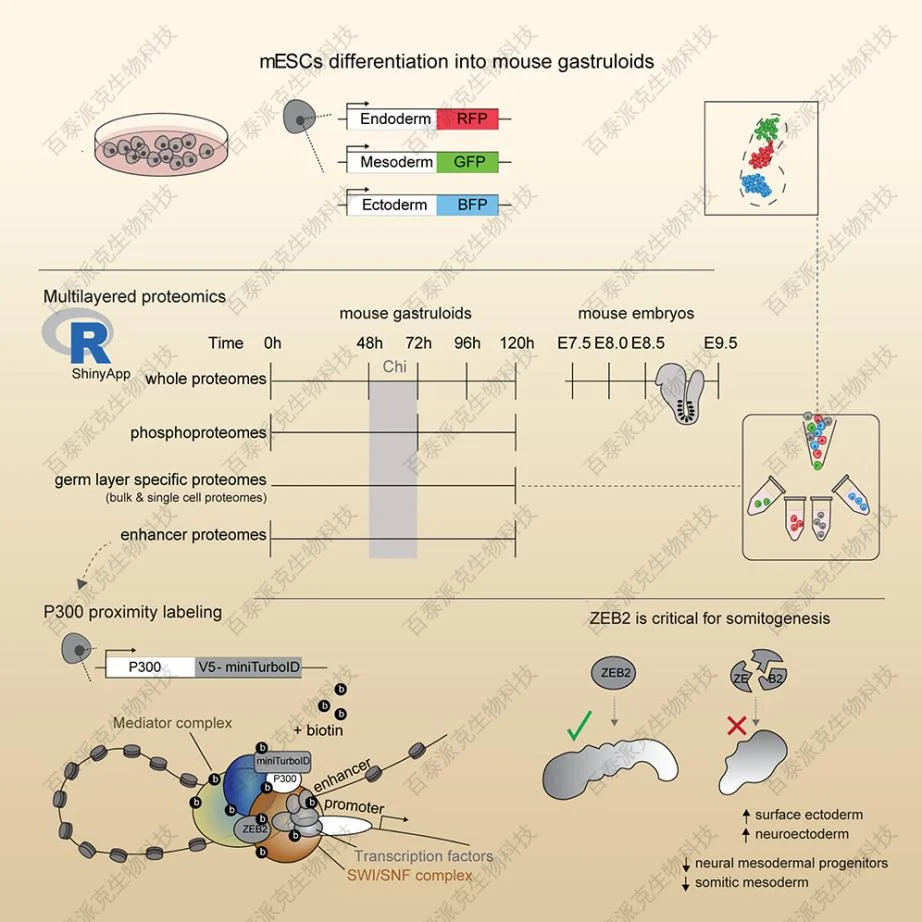
Figure 9Cell Stem Cell. S1934-5909(24)00144-9. 10 May. 2024
Literature application case two (drug resistance trajectory)
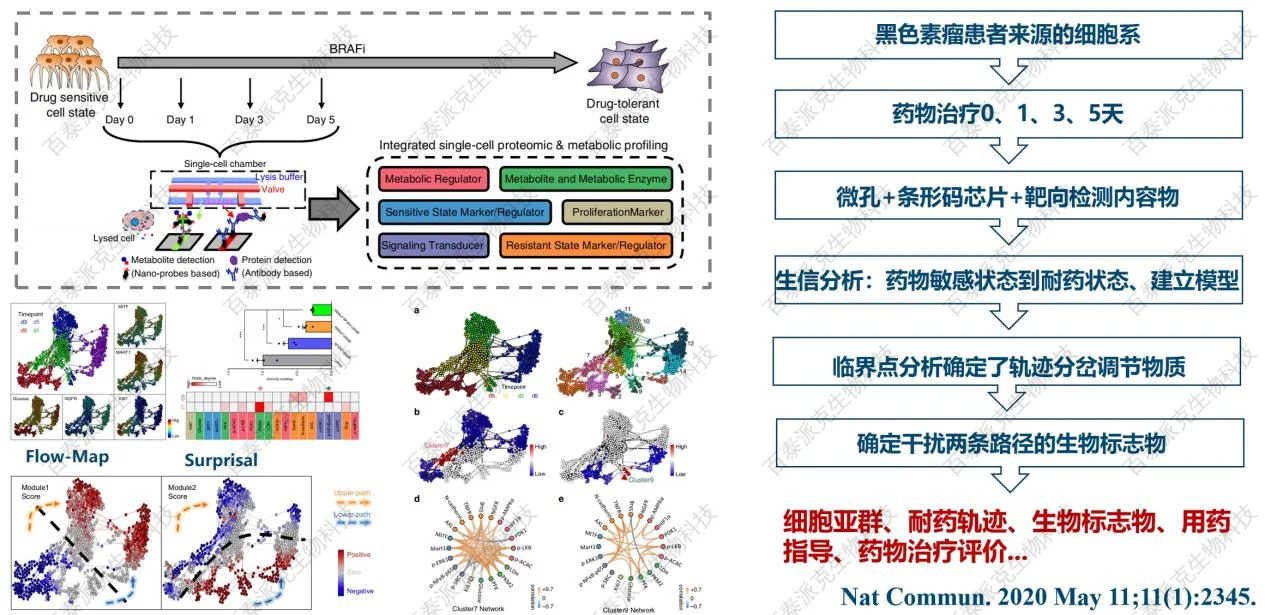
Figure 10
Literature application case three (drug response mechanism)
Title: Single-Cell Chemical Proteomics (SCCP) Interrogates the Timing and Heterogeneity of Cancer Cell Commitment to Death
Single-cell chemical proteomics (SCCP) studies the timing and heterogeneity of cancer cell death
1. Scientific question
Exploring the response of individual adenocarcinoma A549 cells to three anticancer drugs (methotrexate MTX, camptothecin CPT, and tomatin TDX) at the cellular level
2. Sample
A549 cells treated with drugs at different time points, 96 each
3. Omics
Single-cell proteomics
4. Results
(1) Protein expression changes in single cells treated with MTX at different time points, identifying subgroups G1 and G2 representing future dead and surviving cells (response heterogeneity)
(2) Identification of drug targets and monitoring at the cellular level by comparing specific drug treatment with control

Figure 11
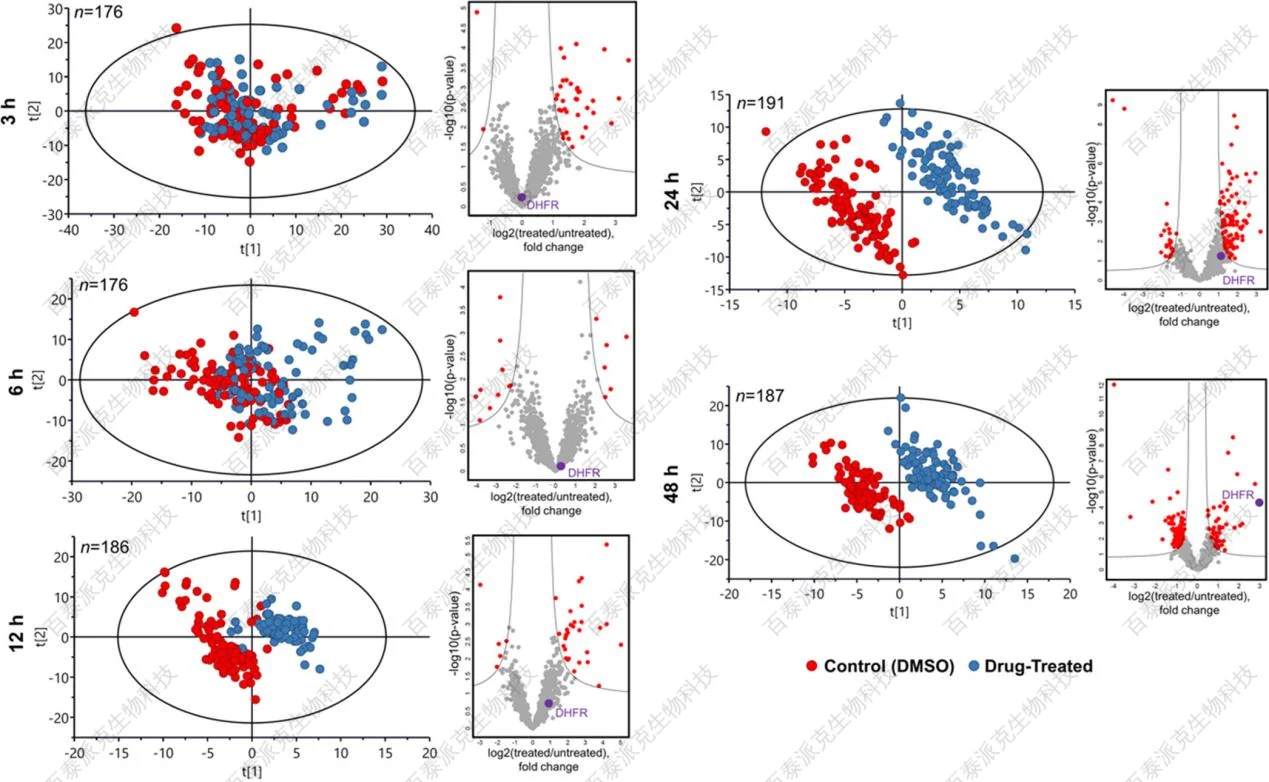
Figure 12
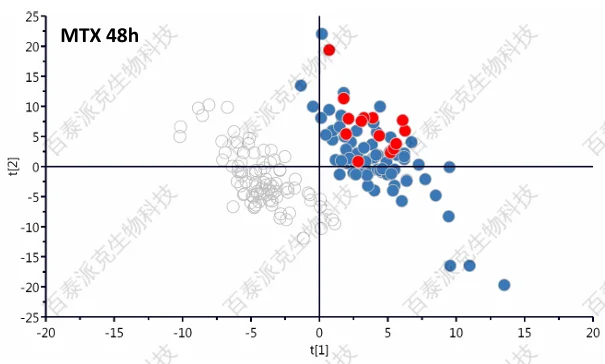
Figure 13.Anal Chem. 2022;94(26):9261-9269.
Case Study Four (Plant Direction)
Title: Single-cell proteomics differentiates Arabidopsis root cell types
Single-cell proteomics distinguishes Arabidopsis root cell types
1. Background
Single-cell proteomics (SCP) is an emerging method to address cellular heterogeneity in complex tissues of multicellular organisms. Here, we demonstrate the feasibility of SCP in plant samples using the model plant Arabidopsis.
2. Sample
Isolated single cells from the cortex and endodermis, two adjacent root cell types derived from a common stem cell lineage.
3. Omics
Single-cell proteomics
4. Results
Identified 3763 proteins and 1118 proteins per cell from 756 root cells. After rigorous filtering, 3217 proteins were quantitatively finalized. Among them, 596 proteins were identified whose expression was enriched in the cortex or endodermis, allowing differentiation of these closely related plant cell types. Overall, this study shows that SCP can resolve adjacent cell types with different functions, facilitating the identification of biomarkers and candidate proteins.
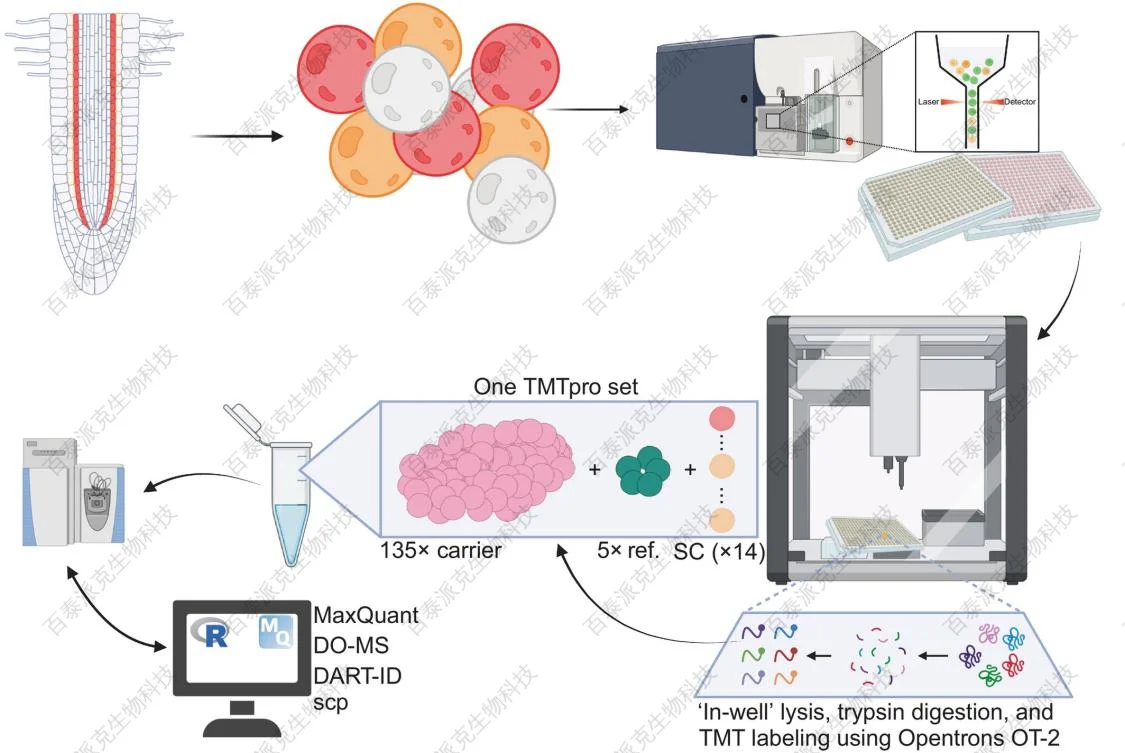
Figure 14

Figure 15.New Phytol. 2024 Dec;244(5):1750-1759.
Bio-Tekno Bioscience - Characterization of Biologics, High-quality Multi-omics Mass Spectrometry Services
Related Services:
How to order?




