






Antibody Drug HPLC Peptide Map Analysis
AntibodyDrugis a class of drugs that use artificially synthesized antibodies to treat diseases,whichachieves therapeutic effects through specific binding to target molecules. Common types of antibody drugs include monoclonal antibodies, artificially synthesized antibody fragments, immunotoxins, and antibody-drug conjugates. Antibody drugs have shown significant efficacy in treating various diseases such as cancer, autoimmune diseases, inflammatory diseases, immune modulation, and ophthalmic diseases.
HPLC, short for High-Performance Liquid Chromatography, is an analytical chemistry technique used mainly for separating, detecting, and quantifying components in complex mixtures. HPLC peptide mapping of antibody drugs involves enzymatically digesting the antibody drug into multiple peptides and analyzing them using HPLC to generate a peptide map. This peptide map serves as a "fingerprint" of the antibody, where each peak corresponds to one or more peptide fragments. This process helps in assessing the purity, consistency, and any potential modifications of the antibody drug, such as glycosylation or oxidation, ensuring the drug's safety and efficacy.
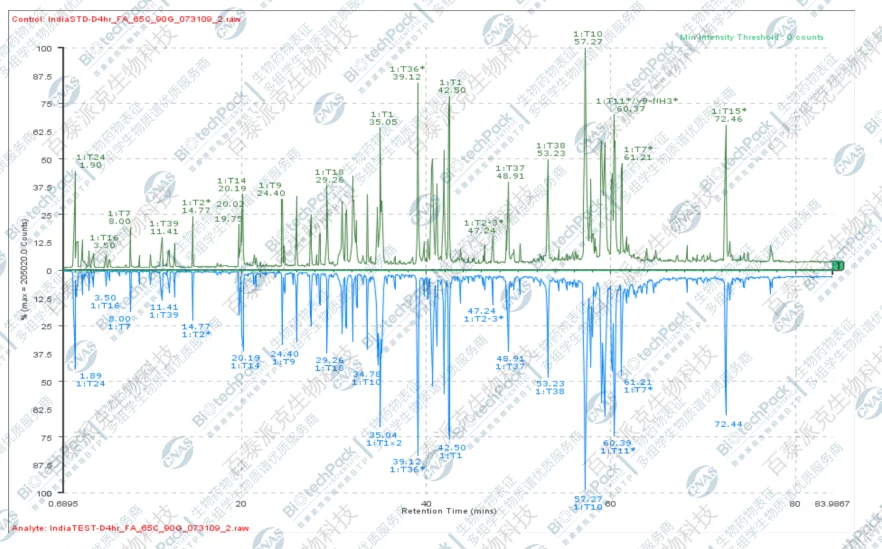
Biological ProductHPLC Peptide Map AnalysisIllustrationDiagram
Bio-Thera Solutions(BTP),utilizesCNASandISO9001dualcertification quality control system to manage laboratories, providing clients with drug quality research services compliant with global pharmaceutical regulations.Weapply existinghigh-resolutionchromatographytechnology platform,to offer youacomprehensiveHPLC-basedantibodydrug peptide mapanalysisservices, welcome to inquire for free.
Bio-Thera Solutions
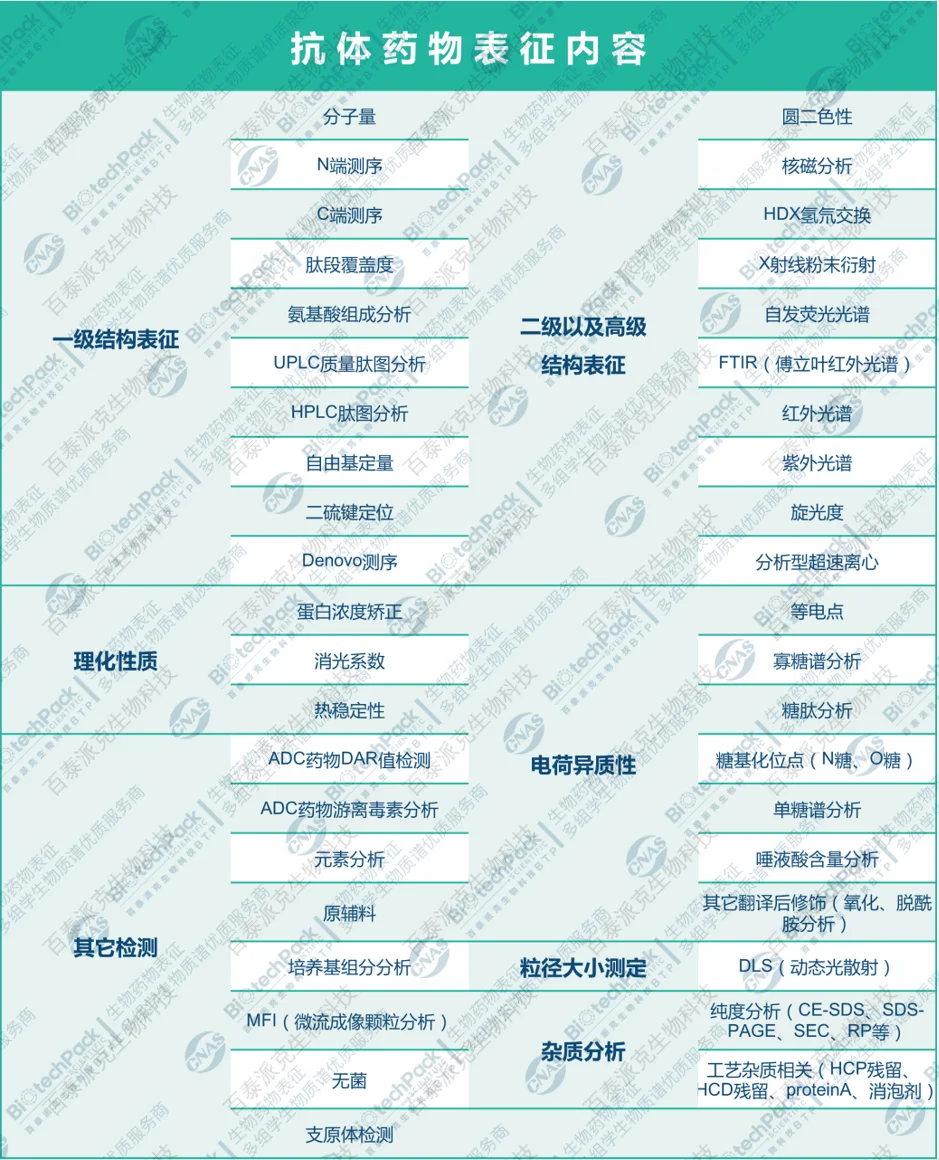
AntibodyDrug Characterization Content
Related Services
Protein Peptide Mapping
Peptide Coverage/Peptide Mapping Analysis
How to order?




