






Milk Proteomics Analysis
Milk proteomics, through qualitative and quantitative analysis of milk proteins, can help understand the secretion mechanism of cow's milk, among others, to aid in controlling milk production and enhancing its nutritional value. Biotech company Betapark offers mass spectrometry-basedmilk proteomics analysisservices.
milk proteomics
Milk proteins refer to the proteins contained in milk. Milk is a nutrient-rich white liquid produced by the mammary glands of mammals and is the primary source of nutrition for infant mammals (including breastfed humans) before they can digest other types of food. It is also a comprehensive source of nutrition in the human diet. Cow's milk, in particular, is an important nutritional food in the human diet. Due to the limitations of traditional protein technology in identifying nutritional components in dairy products, proteomics technology has begun to be applied to the analysis of milk proteins. Milk proteomics, which studies milk proteins at the omics level, helps discover other types of proteins in milk, reveals the synthesis, secretion, and functional properties of milk proteins, and provides a theoretical basis for producing dairy products that meet specific needs. It can also be used to analyze the production quality of dairy products to help optimize processing techniques.
milk proteomics analysis
Milk proteome primarily consists of a few major proteins while also containing some low abundance proteins. In cow's milk, for instance, the proteins mainly include casein (80%), whey protein (18-19%), and milk fat globule membrane proteins (1-2%). The analysis of high abundance proteins is relatively straightforward, but low abundance proteins need to be enriched before analysis. Subsequently, two-dimensional gel electrophoresis and mass spectrometry are used for detection and identification. In milk proteomics research, combining high-resolution separation technology with mass spectrometry allows for compositional identification, post-translational modification analysis, and quantitative analysis of the milk proteome, thereby enhancing the understanding and utilization of cow's milk, among others.
Related services:
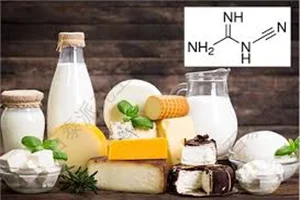
milk proteomics analysis
How to order?




