






Analysis of Sphingolipids in Brain Tissue
In the field of neuroscience research, the analysis of sphingolipids and their metabolites in brain tissue is key to understanding nervous system function, disease progression, and therapeutic mechanisms. As essential components of cell membranes, sphingolipids play crucial roles in neural signal transmission, cell recognition, cell death, and inflammatory responses. Biotech company Biotech-Peak employs cutting-edge bioanalytical techniques to conduct in-depth research on sphingolipids in brain tissue, aiming to uncover their roles in neurological diseases and potential therapeutic targets.
I. Technical Interpretation:
Biotech-Peak uses liquid chromatography-tandem mass spectrometry (LC-MS/MS) to perform precise quantitative and qualitative analysis of sphingolipids and their metabolites in brain tissue samples. This technique effectively separates, detects, and quantifies complex sphingolipid molecules in brain tissue, including ceramides, sphingomyelins, and glycerophospholipids.
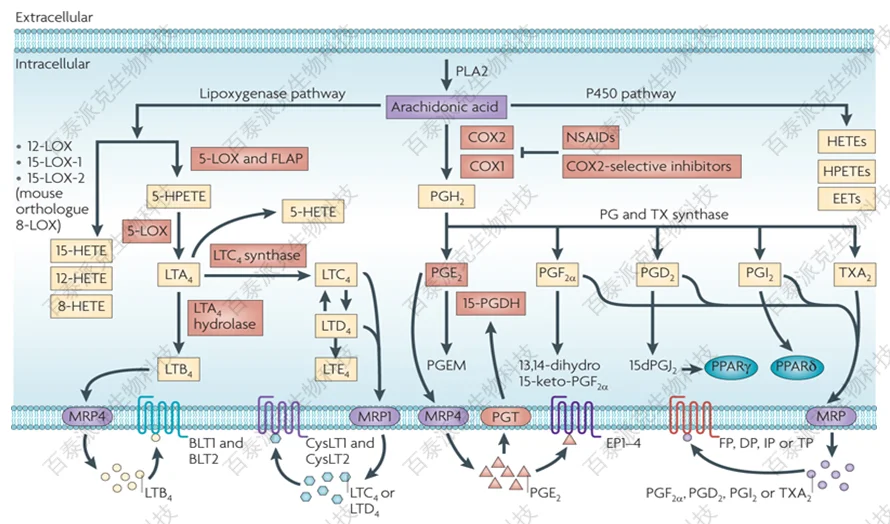
Figure 1. Sphingolipid Analysis
II. Technical Advantages:
1. High Sensitivity and Specificity
The LC-MS/MS technology provides very high sensitivity and specificity, allowing for accurate identification and quantification of low-abundance sphingolipid molecules in brain tissue.
2. Broad Metabolite Coverage
This technology can cover a wide range of molecules in the sphingolipid metabolic pathway, enabling the exploration of their diverse functions in the nervous system.
3. Dynamic Metabolic Changes Analysis
Through quantitative analysis, dynamic changes in sphingolipid metabolites in brain tissue can be observed under disease conditions or therapeutic interventions.
III. Application Scope:
1. Neurological Disease Research
Deeply understanding the changes in sphingolipid metabolism in neurological diseases such as Alzheimer's, Parkinson's, and multiple sclerosis provides new insights into disease mechanisms.
2. Inflammation and Immune Response Regulation
Exploring the role of sphingolipids in neural inflammation and immune regulation provides a theoretical basis for developing new anti-inflammatory and immune modulatory therapies.
3. Neuroprotection and Repair
Evaluating the potential of sphingolipid metabolic pathways in neuroprotection and repair offers new strategies for recovery after neural injury.
Biotech-Peak's sphingolipid analysis technology in brain tissue opens a new chapter in neuroscience research. With this technology, we can not only deeply understand the role of sphingolipids in nervous system health and disease but also provide new molecular targets for disease diagnosis and treatment. As research progresses, Biotech-Peak will continue to provide high-quality analytical services to the neuroscience field, helping researchers uncover more unknown biological mysteries.
BiotechPack, A Biopharmaceutical Characterization and Multi-Omics Mass Spectrometry (MS) Services Provider
Related Services:
How to order?




