






TMT Quantitative Mass Spectrometry
TMT (Tandem Mass Tag) is a widely used technology in quantitative proteomics. TMT is a chemical labeling method used for quantitative proteomics. Peptides from different samples are labeled with different isotopic tags. These tags have the same mass in mass spectrometry, but when fragmented in the mass spectrometer, they release different reporter ions. By comparing the intensity of these reporter ions, the relative abundance of peptides in different samples can be determined.
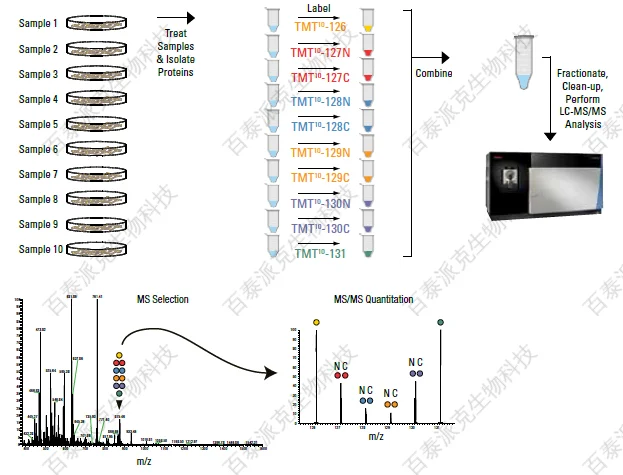
Figure 1. Workflow of TMT-based proteomics service
1. Advantages:
-
Multiplexing: Allows simultaneous analysis of multiple samples, accelerating the experimental process and reducing experimental variability.
-
Accuracy: The use of specific tags can improve the accuracy of peptide identification.
-
Wide dynamic range: Suitable for detecting proteins with a wide range of abundance differences.
2. Limitations:
-
Cost: Chemical labeling may increase the cost of the experiment compared to label-free methods.
-
Ratio compression: This may occur due to incomplete ion isolation or co-isolation of interfering species.
-
Sample handling: Requires more sample processing steps, which may lead to sample loss or introduce experimental bias.
3. Applications:
TMT technology is widely used in proteomics research, especially for quantitative comparison of samples under different conditions or treatments, such as disease research and drug mechanism of action studies.
Biotech Pack BioTech - High-quality service provider for biologics characterization and multi-omics mass spectrometry analysis
Related services:
Quantitative proteome analysis
Label-free quantitative proteome analysis
Label-based protein quantification technologies - iTRAQ, TMT, SILAC
TMT/iTRAQ/MultiNotch quantitative proteomics analysis
SILAC/Dimethyl labeling-based quantitative proteome analysis
How to order?




