






Peptide Sequence Identification Techniques
Identifying peptide sequences is a core step in modern biological and protein chemistry research. The following are the main techniques and methods for such identification:
1. Mass Spectrometry:
Peptide Mass Fingerprinting (PMF): Proteins are enzymatically digested (e.g., with trypsin) to obtain peptides, which are then analyzed by mass spectrometry. By comparing the measured peptide masses with a database, the identity of the original protein can be determined.
Tandem Mass Spectrometry (Tandem MS/MS): In this technique, specific peptide ions are selected for further fragmentation to obtain the masses of their fragment ions. These fragment ion masses provide clues to the peptide sequence.
2. Edman Degradation:
This is a classic amino acid sequencing method that sequentially identifies amino acids by removing them from the N-terminus of a peptide. Although this method may be slower and less sensitive than mass spectrometry, it remains an important tool.
3. Database Search:
Combined with mass spectrometry data, software tools such as Mascot, SEQUEST, or other search engines can be used to compare against protein/peptide databases to rapidly identify peptide sequences.
4. Synthetic Peptide Control:
Sometimes, to verify the sequence of a peptide, an identical peptide may be synthesized as a control, and various analytical techniques are used to identify it.
5. Bioinformatics Analysis of Peptides:
Using known protein structure and sequence information, possible cleavage sites or other properties of the peptides can be predicted, which aids in the identification and validation of mass spectrometry or other data.
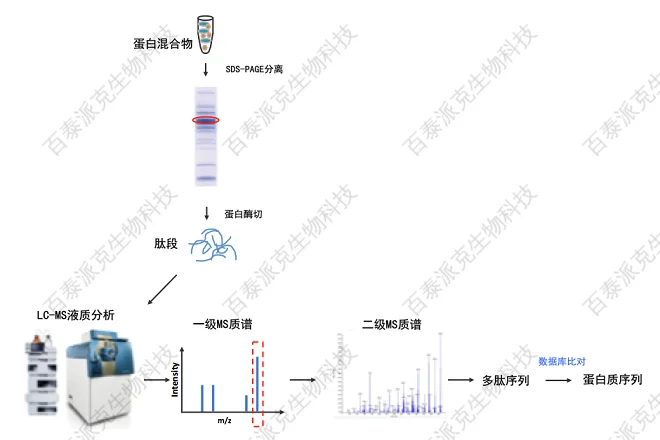
Figure 1. Schematic of Mass Spectrometry Sequencing
BiotechPack, A Biopharmaceutical Characterization and Multi-Omics Mass Spectrometry (MS) Services Provider
Related Services:
How to order?




