






- Primary Structure Analysis
- High-resolution mass spectrometry molecular weight
- MALDI TOF mass spectrometry analysis
- N-terminal sequence analysis
- C-terminal sequence analysis
- N/C terminal sequence analysis
- Analysis of the K deletion ratio at the C-terminus of antibodies
- LC-MS/MS protein full sequence validation
- Peptide coverage / Peptide spectrum analysis
- Protein peptide profile determination
- Amino Acid Composition Analysis
- Extinction coefficient analysis
- View more
- Advanced Structural Analysis
- Charge Heterogeneity Analysis
- Impurity Analysis
- Native Mass Spectrometry
- SDS-PAGE protein purity analysis
- Protein purity analysis (size exclusion/reverse phase chromatography)
- Host Cell Protein Residue (HCP) Analysis Service
- Antibody-Drug Conjugates (ADCs) Analysis
- Protein content analysis
- Product-related impurity analysis
- Analysis of other process-related impurities
- View more
- Special Analysis
- Primary Structure Analysis
Detection of Disulfide Bonds and Thiol Groups
Detection of disulfide bonds and thiol groups is an important topic in biochemistry and molecular biology. These chemical structures play a key role in the structure and function of proteins.
Here are several commonly used detection methods:
I. Detection of Disulfide Bonds:
-
Ellman's Test: This is a common method for detecting disulfide bonds. It uses Ellman's reagent (DTNB, 5,5'-dithiobis-(2-nitrobenzoic acid)) to react with thiol groups in proteins, producing a yellow product that can be quantified by absorbance.
-
Mass Spectrometry: Mass spectrometry can be used to identify the location and number of disulfide bonds in proteins.
-
Reducing and Non-reducing SDS-PAGE: By comparing SDS-PAGE profiles of proteins under reducing (thiol exposure) and non-reducing conditions, the presence of disulfide bonds can be indirectly determined.
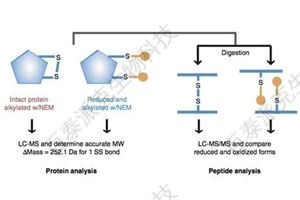
Figure 1. Protein Disulfide Bond Analysis
II. Detection of Thiol Groups:
-
Ellman's Test: Also applicable for the detection of thiol groups.
-
Mass Spectrometry after Alkylation: By alkylating thiol groups in proteins and then performing mass spectrometry, the location of thiol groups can be identified.
-
Thiol-specific fluorescent dyes: Such as Monobromobimane, which can bind to thiol groups and emit fluorescence, allowing for quantification based on fluorescence intensity.
In practical applications, the choice of method depends on the nature of the sample, the required sensitivity, and experimental conditions. For example, Ellman's Test is relatively simple and low-cost, but more complex samples may require higher resolution methods such as mass spectrometry. Reducing and non-reducing SDS-PAGE is often used for preliminary protein analysis, providing intuitive information on the presence of disulfide bonds.
BiotechPack, A Biopharmaceutical Characterization and Multi-Omics Mass Spectrometry (MS) Services Provider
Related Services:
Identification and Quantitative Analysis of Protein Disulfide Bonds
Post-translational Modification Proteomics Analysis
Disulfide Bond/Free Cysteine Detection
Circular Dichroism Analysis of Proteins
Thermal Stability Analysis (DSC)
How to order?




