






How to Detect Collagen
Although collagen is abundant and accounts for about 30% of the total protein in the human body, it can be difficult to purify and analyze. This is because collagen molecules form extensive networks through different types of cross-linking, making them insoluble and difficult to extract.
Currently, there are various analytical methods available for analyzing collagen:
1. ELISA for Collagen-Specific Propeptides
This method uses enzyme-linked immunosorbent assay (ELISA) to detect precursor forms of collagen. The propeptides are portions removed after collagen synthesis, and their presence indicates newly synthesized collagen. This method is primarily used to measure and quantify collagen synthesis levels.
2. ELISA for Specific Types of Collagen
This ELISA is specifically targeted at a particular type of collagen. Since there are many types of collagen, specific antibodies can be used to accurately determine the content of a specific type of collagen.
3. Protein Blotting with Collagen-Specific Antibodies
Using Western blotting technology, specific antibodies against collagen are used to detect and analyze collagen in samples. This method can provide information about protein size and expression levels.
4. Sirius Red Staining of Tissue Sections
Sirius Red is a dye used for staining collagen in tissue sections. It binds to collagen fibers, making them appear bright red under a microscope, and is commonly used for locating and quantifying collagen in histological studies.
5. Sirius Red Assay for Soluble Collagen
In addition to tissue staining, Sirius Red can also be used to measure the concentration of collagen in solutions. It binds to collagen in the solution, and its absorbance is measured to quantify collagen.
6. Determination of Hydroxyproline Content After Sample Hydrolysis (via Colorimetric Kit or HPLC)
The residual amount of hydroxyproline is measured using a colorimetric kit or high-performance liquid chromatography (HPLC). Hydroxyproline is an important amino acid in collagen, and its content can indicate the amount of collagen. This method requires the protein to be broken down into amino acids through acid hydrolysis or other means.
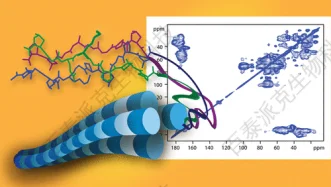
Figure 1
BiotechPack, A Biopharmaceutical Characterization and Multi-Omics Mass Spectrometry (MS) Services Provider
Related Services:
Hyaluronic Acid Quality Control Testing Services
High-Resolution Mass Spectrometry Molecular Weight
N/C Terminal Sequence Analysis
Peptide Coverage/Peptide Mapping Analysis
Amino Acid Composition Analysis
Product-Related Impurity Analysis
Process-Related Impurity Analysis
Other Process-Related Impurity Analysis
How to order?




