






Quantitative Cross-Linking/Mass Spectrometry
Quantitative Cross-Linking/Mass Spectrometry (XL-MS) combines chemical cross-linking and mass spectrometry techniques to study protein-protein interactions and their spatial structures.
The basic principle of cross-linking mass spectrometry is that nearby protein residues can be cross-linked. After digestion, these cross-linked protein residues can be identified, revealing proximity in the original sample. The maximum length of the cross-linker acts as a distance constraint affecting the 3D structure. The experiment includes cross-linking reaction, protein digestion, enrichment of cross-linked peptides, mass spectrometry acquisition, database search, and error rate control.
1. Chemical Cross-Linking:
Proteins are treated with specific chemical cross-linkers. These cross-linkers can connect adjacent proteins or amino acid residues on proteins, forming stable covalent bonds.
2. Digestion and Mass Spectrometry Analysis:
The treated protein samples are usually digested by enzymes (such as trypsin) and then analyzed using mass spectrometry. Mass spectrometry can identify cross-linked peptide segments, thereby inferring the protein-protein interaction interface.
3. Quantitative Analysis:
By comparing the abundance of cross-linked peptides under different conditions (such as different time points, different treatment conditions, etc.), the changes in protein-protein interactions can be quantitatively analyzed. This often requires the use of stable isotope labeling (such as SILAC) or relative quantification methods (such as label-free quantification).
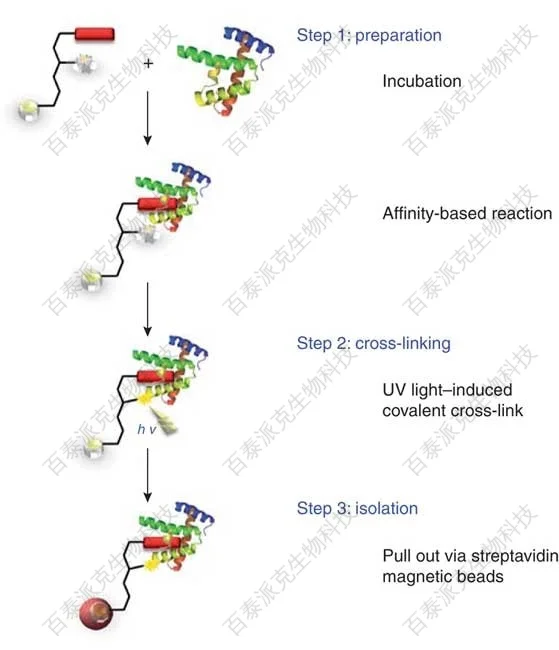
Figure 1. Protein Interaction Analysis Using Cross-Linking
4. Data Processing and Analysis:
Specialized software and algorithms are used to process mass spectrometry data to identify cross-linked peptides and perform quantitative analysis. These data can be used to infer the three-dimensional structure of proteins, the composition of protein complexes, and their dynamic changes.
Quantitative cross-linking/mass spectrometry can provide information on protein interactions and structures, particularly useful in studying large protein complexes and dynamic protein networks.
BiotechPack, A Biopharmaceutical Characterization and Multi-Omics Mass Spectrometry (MS) Services Provider
Related Services:
Cross-Linking Protein Interaction Analysis
Mass Spectrometry Analysis of Protein Interactions
Co-immunoprecipitation (CO-IP) Protein Interaction Analysis
GST Pull-Down Protein Interaction Analysis
SILAC and Co-immunoprecipitation Combined Mass Spectrometry Protein Interaction Analysis
Label Transfer Protein Interaction Analysis
How to order?




