






Detection of the Position and Quantity of Disulfide Bonds in Proteins
In protein structures, disulfide bonds are one of the important factors for structural stability. The positions and numbers of these bonds directly affect the stability and function of proteins. Therefore, detecting the positions and numbers of disulfide bonds in proteins has extremely important practical and theoretical value.
1. What are disulfide bonds?
Disulfide bonds are stable covalent bonds formed by the reduction of two cysteine residues through thiosulfonic acid. These bonds play a key stabilizing role in the tertiary structure of proteins. The number and position of disulfide bonds determine the stability and function of proteins.
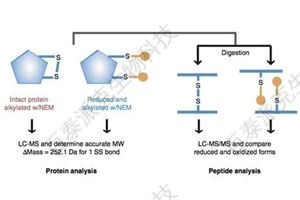
Figure 1. Analysis of protein disulfide bonds
2. Methods for detecting disulfide bonds
1. Capillary Electrophoresis
Capillary electrophoresis—Protein samples are applied to fine glass tubes and moved under the influence of an electric field. By measuring the migration rate of proteins in the electric field, the number and position of disulfide bonds in proteins are inferred.
2. Mass Spectrometry
Mass spectrometry—Protein samples are ionized and separated and detected in an electromagnetic field to determine the number and position of disulfide bonds in proteins.
3. Nuclear Magnetic Resonance (NMR)
Nuclear Magnetic Resonance (NMR) is used to determine protein structures, including the positions and numbers of disulfide bonds. In NMR experiments, the behavior of proteins in a strong magnetic field is measured, and complex calculations and analyses are used to determine the three-dimensional structure of proteins.
Using techniques such as capillary electrophoresis, mass spectrometry, and NMR, researchers can accurately measure the positions and numbers of disulfide bonds in proteins, thereby gaining a deeper understanding of protein structures and functions.
BiotechPack, A Biopharmaceutical Characterization and Multi-Omics Mass Spectrometry (MS) Services Provider
Related Services:
Protein Mass Spectrometry Identification
ProteinDisulfide Bond Analysis
Quantitative Analysis of Post-Translational Modification Proteomics
HistoneUbiquitinChemicalDetermination
How to order?




