






What are the common methods for determining protein-protein interactions?
Proteins are crucial biomolecules within living organisms, primarily functioning through interactions. Interactions between proteins play a significant role in biological processes such as cell signaling, metabolic regulation, and immune response. Understanding protein-protein interactions is of great importance for biopharmaceutical research and drug development. This article will detail common methods for determining protein interactions, helping you gain a deeper understanding of this key biological process and providing an important reference for biopharmaceutical research.
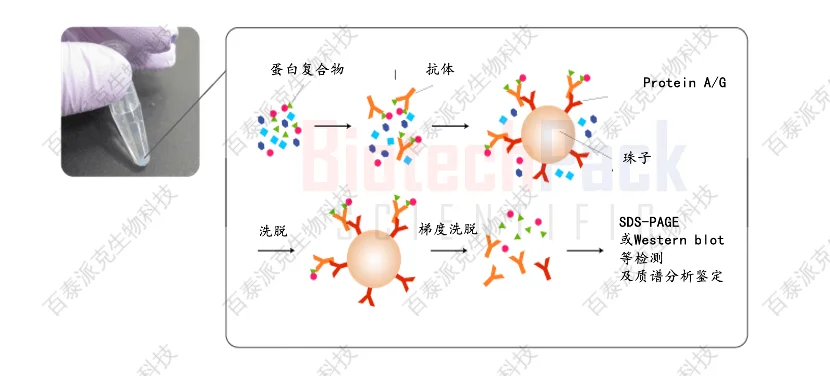
Figure 1
I. Methods for Determining Protein Interactions
1.Co-Immunoprecipitation (Co-IP)
Co-immunoprecipitation is a common method for determining protein interactions. This method uses specific antibodies to bind target proteins, which are then precipitated along with interacting protein complexes using protein A/G magnetic beads or agarose particles. Finally, techniques such as Western blot are used to detect the protein components in the complex, revealing the interaction relationships between proteins.
2.Yeast Two-Hybrid (Y2H)
Yeast two-hybrid is a high-throughput screening technique for protein interactions. This method uses the transcription activator domain and DNA binding domain within yeast cells to identify protein interactions. When two proteins interact, the transcription activator domain and DNA binding domain combine, triggering the expression of a reporter gene. This method efficiently screens numerous protein interaction partners.
3.Protein Complementation Assay (PCA)
Protein complementation assay is a method that uses split protein tags to reassemble into an active tag within cells. By fusing the two complementary tags of target proteins onto two different vectors and co-transfecting them into cells, the tags reform into a complete active tag if the target proteins interact.
4.Protein Cross-Linking
Protein cross-linking is a chemical cross-linking technique that uses cross-linkers to link interacting proteins together. The cross-linked protein complexes can be detected using SDS-PAGE or mass spectrometry, thus determining the interacting proteins.
5.Fluorescence Resonance Energy Transfer (FRET)
FRET is a microscopy technique for real-time monitoring of protein interactions. This method uses fluorescently labeled protein pairs to study the distance and interactions between proteins. When two fluorescently labeled proteins are close, energy transfer leads to changes in the fluorescence signal, revealing the interaction state of proteins.
II. Choosing the Appropriate Method
1.Protein Characteristics and Purpose
The choice of a suitable method for determining protein interactions should consider the characteristics of the proteins and the experimental purpose. For example, if the goal is to screen interaction partners for a specific protein, high-throughput techniques like yeast two-hybrid are more appropriate. For observing protein interactions within cells, protein complementation and FRET techniques are more suitable.
2.Experimental Conditions and Cost Considerations
Experimental conditions and costs are also factors to consider when choosing a method. Some techniques require complex experimental conditions and equipment, with higher costs, while others are simpler and more economical.
III.Conclusion
Protein interactions are part of a complex regulatory network within organisms, with various methods for their determination. Choosing the appropriate method requires a comprehensive consideration of protein characteristics, experimental purpose, and experimental conditions. By selecting suitable technical approaches, we can deeply uncover the mysteries of protein interactions, providing important references for biopharmaceutical research and drug development.
Biotech Company -- BiotechnologyProductsCharacterization, Multiomics Mass Spectrometry Detection Quality Service Provider
Related Services:
Cross-Linking Method Protein Interaction Analysis
Far-Western Blot Analysis
Label Transfer Method Protein Interaction Analysis
Pull-down Target Protein Mass Spectrometry Identification
How to order?




