






CO-IP-MS Experimental Steps: From Sample Preparation to Protein Interaction Analysis
Protein-protein interactions are key steps in many cellular biological processes. To study protein interactions, scientists have developed numerous experimental methods. Among them, co-immunoprecipitation mass spectrometry (Co-IP-MS) is a commonly used technique that helps identify and analyze protein interaction relationships. This article will detail the steps of the Co-IP-MS experiment to help readers understand this important biopharmaceutical research technique.
Step 1: Sample Preparation
Before conducting a Co-IP-MS experiment, it is necessary to prepare samples. Samples can be cell extracts, tissue extracts, or body fluids, etc. The basic steps for sample preparation are as follows:
1. Cell Culture: If using cell samples, first culture the cells and bring them to an appropriate growth state.
2. Cell Lysis: Collect the cells and lyse the cell membrane using lysis buffer to release intracellular proteins.
3. Protein Concentration Determination: Use protein concentration determination methods to ascertain the protein concentration in the sample.
Step 2: Antibody Selection and Co-Immunoprecipitation
In Co-IP-MS experiments, choosing an appropriate antibody is crucial. The steps for antibody selection and co-immunoprecipitation are as follows:
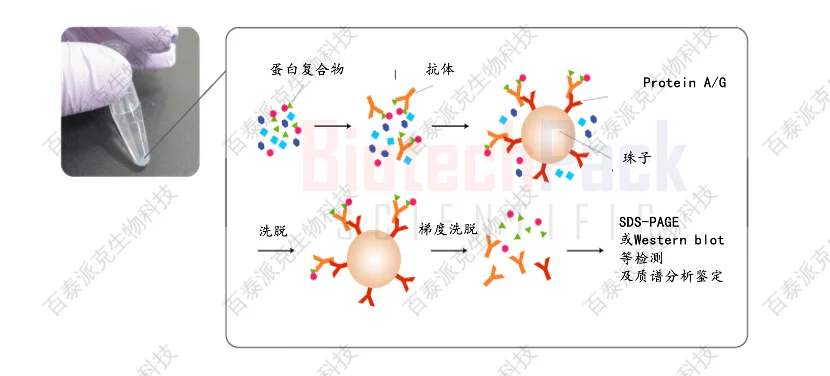
Figure 1
1. Antibody Selection: Choose a specific antibody that binds to the target protein according to the research objective.
2. Co-Immunoprecipitation: Co-precipitate the antibody with proteins in the sample. This can be done by mixing the antibody with proteins and then using Protein A/G agarose or magnetic beads for co-immunoprecipitation.
Step 3: Washing and Elution
After completing co-immunoprecipitation, washing and elution steps are needed to remove non-specifically bound proteins. The steps for washing and elution are as follows:
1. Washing: Use wash buffer to wash the co-immunoprecipitated complex multiple times to remove non-specific proteins.
2. Elution: Use elution buffer to elute the target proteins from the co-immunoprecipitated complex. The choice of elution buffer depends on experimental requirements.
Step 4: Mass Spectrometry Analysis
In the final step of the Co-IP-MS experiment, mass spectrometry analysis is performed on the eluted proteins. The steps for mass spectrometry analysis are as follows:
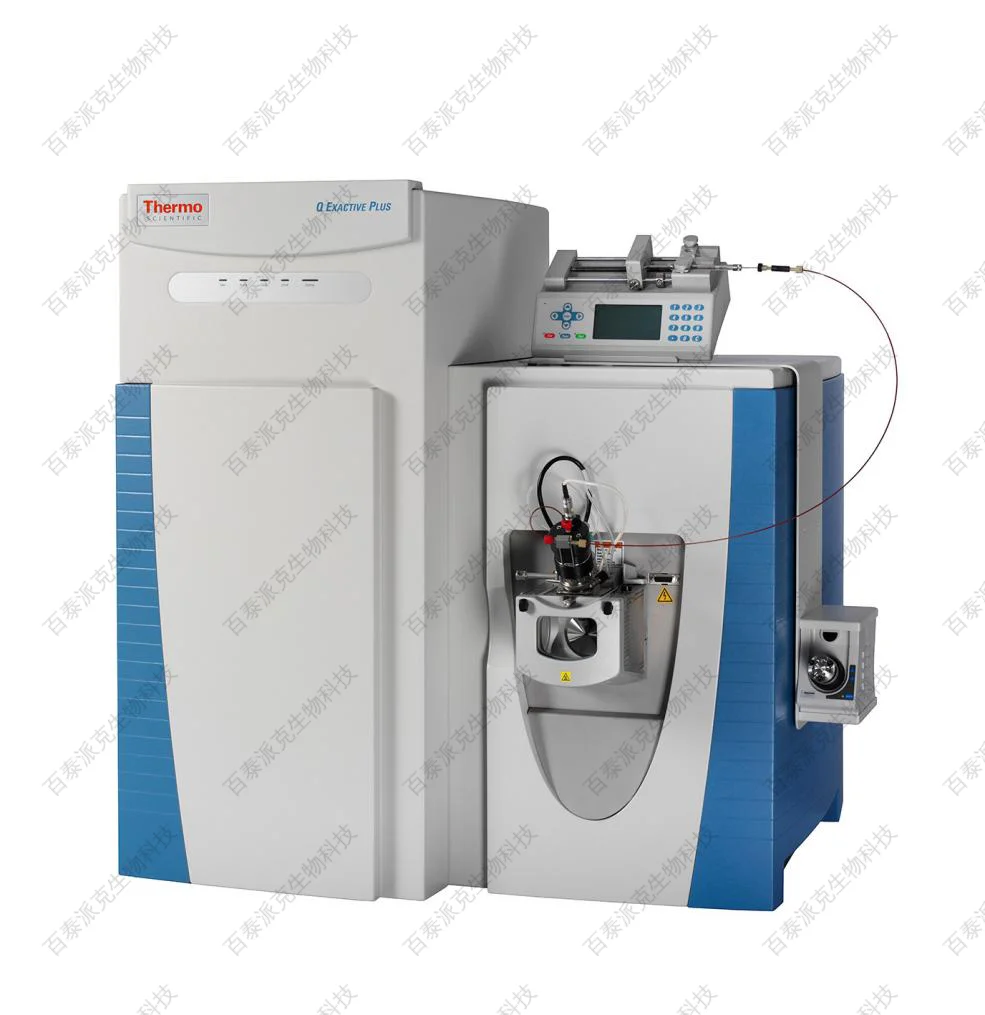
Figure 2
1. Protein Digestion: Use appropriate enzymes to digest the proteins into peptides.
2. Mass Spectrometer Analysis: Analyze the digested peptides using a mass spectrometer. The mass spectrometer can determine the sequence and identity of peptides based on their mass and charge.
Through Co-IP-MS experiments, scientists can study protein interaction relationships and reveal complex intracellular signaling networks. This technology has significant applications in biopharmaceutical development and disease mechanism research, aiding in the deep understanding of protein functions and interaction regulation mechanisms.
Biotech Pak - Characterization of Biological Products, High-Quality Multidimensional Biomass Spectrometry Services
Related Services:
Co-IP Co-Immunoprecipitation Protein Interaction Analysis
Protein Interaction Analysis
Protein Interaction Mass Spectrometry Analysis
SILAC and Co-Immunoprecipitation Mass Spectrometry Combined Protein Interaction Analysis
Cross-Linking Protein Interaction Analysis
Far-Western Blot Analysis
Label Transfer Protein Interaction Analysis
Pull-Down Target Protein Mass Spectrometry Identification
How to order?




