






BTP Project Article | Site-Specific N-Glycosylation Characterization and Comparison of Milk Fat Globule Membrane Proteins in Donkey and Human Colostrum and Milk
In May 2023, the Northern Theater General Hospital in Shenyang and Shenyang Agricultural University collaborated to publish in a Top journal in the field of food scienceFood Chemistry(IF=8.8) a research paper titled 'Characterization and comparison site-specific N-glycosylation profiling of mature milk fat globule membrane proteome in donkey and human colostrum and milk' was published. This study aims to systematically characterize the site-specific N-glycosylation expression profiles of milk fat globule membrane (MFGM) glycoproteins in donkey and human milk using a site-specific glycoproteomics research strategy. The results revealed a large number of site-specific N-glycans in donkey colostrum (DC), donkey mature milk (DM), human colostrum (HC), and human mature milk (HM), uncovering the compositional differences in MFGM N-glycoproteins between donkey and human milk and the dynamic changes of site-specific N-glycosylation of MFGM glycoproteins during lactation.
Research Background
Breast milk is essential for a healthy diet in the first six months or longer of a newborn's life. However, only 36% of infants worldwide are exclusively breastfed within six months, with an even lower rate domestically at 21%, leading to a booming infant formula market. Common cow's milk-based formulas pose risks such as cow's milk protein allergy, indigestion, and susceptibility to intestinal inflammation. Therefore, it is crucial to develop infant formulas from other milk sources to narrow the nutritional gap with breast milk.
Donkey milk is similar to human milk in biochemical composition and sensory properties, rich in bioactive and anti-infective factors, supporting the healthy metabolism and normal physiological functions of newborns. Therefore, donkey milk is considered an ideal alternative protein source for infant formula. Additionally, compared to human milk, donkey milk has smaller milk fat globules (MFG), which facilitate the absorption of more milk fat globule membranes (MFGM). During lactation, MFGs with triglyceride cores are secreted from the apical membrane of the mammary epithelial cells. MFGM not only stabilizes the structure of MFGs but also plays a crucial role in improving the intestinal structure, mucosal barrier, and neurocognitive development of newborns. MFGM proteins account for 1% - 4% of total milk proteins and are vital for various cellular processes and immune defense mechanisms in newborns. Donkey MFGM proteins contain 947 proteins involved in biological processes such as innate immune response, apoptosis, and cell adhesion.
As membrane proteins, MFGM proteins are rich in glycosylation modifications on their surface. Among these, N-glycosylation is the most abundant and common post-translational modification, not only regulating protein folding to improve biophysical properties but also enhancing the bioactivity of protein substrates, such as prebiotics, immunomodulation, and anti-pathogenicity. In recent years, the rapid development of site-specific glycoproteomics technology has become a primary strategy for studying the peptide sequences of glycoproteins and the glycan structures linked to them.
In this research,site-specific glycoproteomics analysis, global analysis of N-glycosylation, GO functional annotation analysis of N-glycoproteins, comparison of glycoprotein core and branch structures, and identification of N-glycoproteins were provided by Biotree Biotech..Biotree Biotech has developed a series of stable and efficient liquid chromatography high-resolution mass spectrometry (LC-MS/MS) characterization methods, covering from glycan analysis to glycosylation site identification (N-glycosylation site and O-glycosylation site analysis), and further to glycopeptide parsing to complete analysis workflow.
MainResearchContentand Results
This study mainly used site-specific glycoproteomics technology to map the site-specific N-glycosylation profiles of milk fat globule membrane proteins (MFGM) in donkey colostrum (DC), donkey mature milk (DM), human colostrum (HC), and human mature milk (HM). The research revealed differences in the overall and microstructural level of these four types of MFGM proteins. Through bioinformatic analysis, the relationship between the N-glycan core and branch structures of DC, DM, HC, and HM MFGM proteins and their impact on various biological processes were further explored. This study will help to deepen the understanding of glycosylation structure and function of donkey and human milk MFGM proteins and provide a deeper direction for future research.
1. Donkey and HumanMilkMFGM Protein Site-Specific Glycoproteomics Analysis
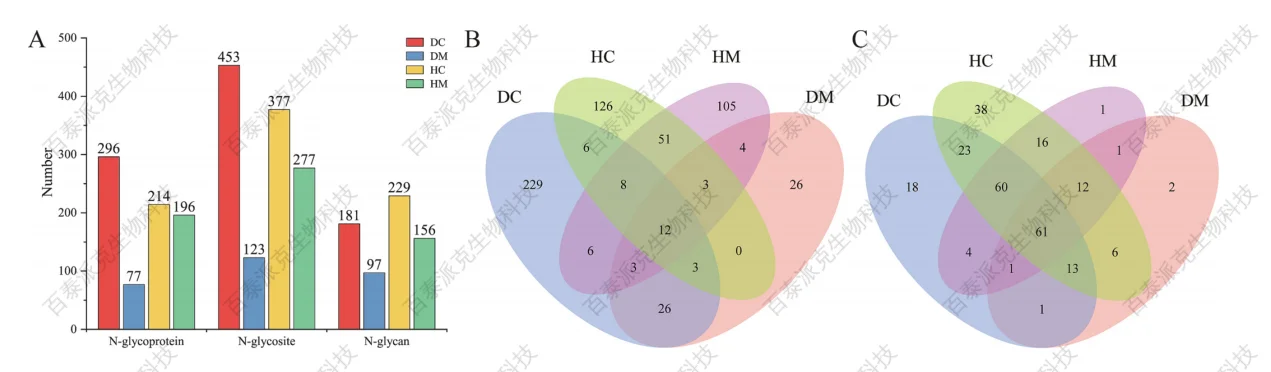
Figure 1 Site-specific glycoproteomics analysis of MFGM proteins in DC, DM, HC, and HM
The figure presents a systematic characterization of N-glycoproteins, N-glycosylation sites, and N-glycan distribution in DC, DM, HC, and HM samples using site-specific glycoproteomics research methods. The figure also includes analysis results of shared and unique glycoproteins and N-glycans in the four samples. The study data shows that more N-glycoproteins and site-specific N-glycans can be identified in colostrum (DC, HC) compared to mature milk (DM, HM). This may help competitively bind with glycans on the surface of intestinal epithelial cells in newborn mammals to pathogenic microorganisms and their toxins, thereby preventing intestinal infections.
2. Global Analysis of N-glycosylation Modifications of MFGM Glycoproteins in Donkey and Human Milk During Lactation
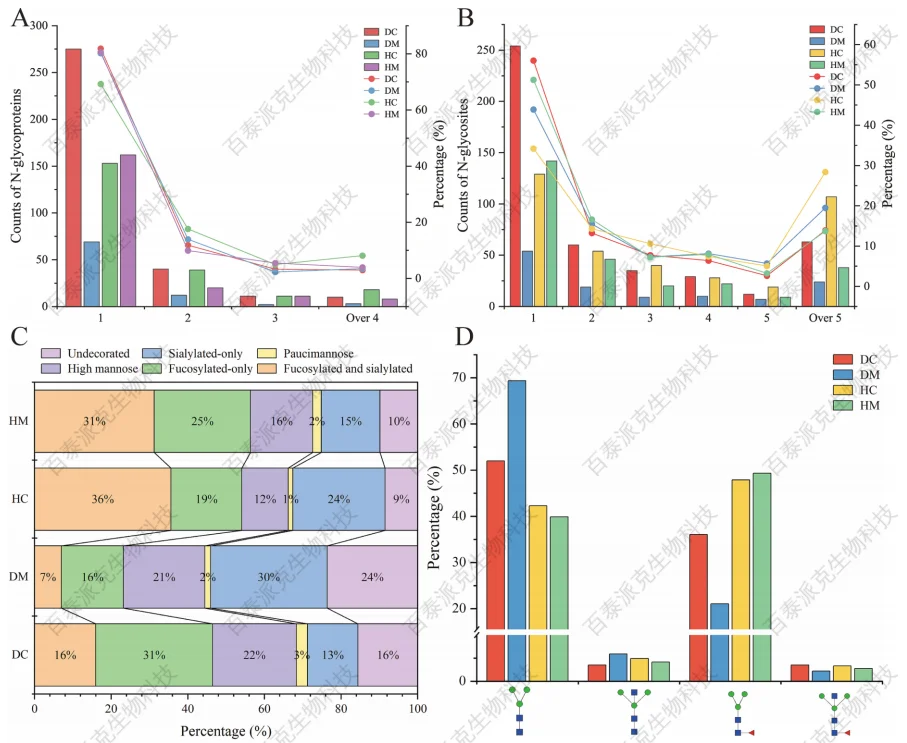
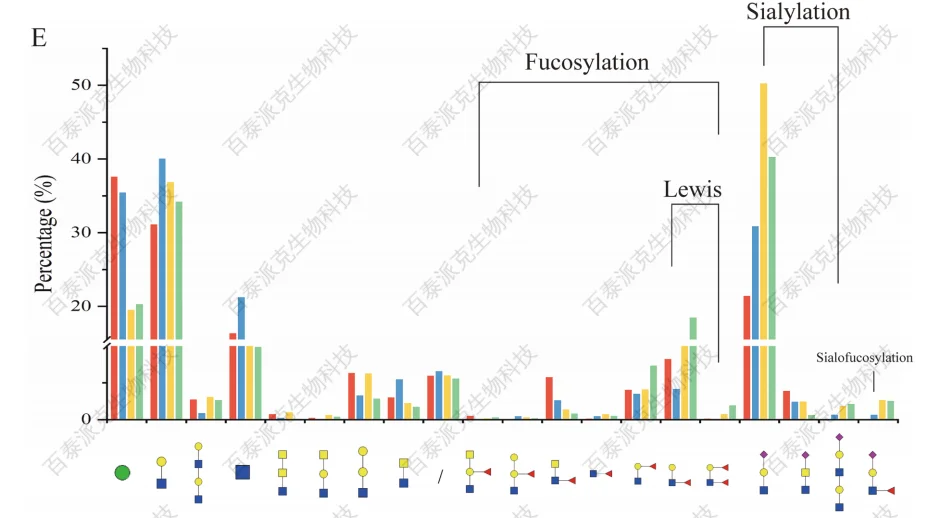
Figure 2 N-glycosylation site and site-specific N-glycan analysis of MFGM N-glycoproteins in donkey and human milk
Figure 2A shows the macroscopic heterogeneity where the number of N-glycoproteins in each sample decreases as the number of N-glycosylation sites on glycoproteins increases.Figure2B illustrates the trend where the number of corresponding N-glycosylation sites decreases and then increases as the number of N-glycans carried by N-glycosylation sites increases. The study also observed some sites carrying a large number of site-specific N-glycans, such as the N502 site of lactotransferrin in DC carrying 58 types of N-glycans in donkey MFGM glycoproteins; in human MFGM glycoproteins, the N238 site of mucin in HC carries 137 types of N-glycans.Figure2CBased onglycan composition, the types of N-glycans wereclassified,and the abundance of different types of N-glycans was. It is noteworthy that a large number of sialic acid or fucose modifications are present on MFGM glycoproteins in both human and donkey milk. Sialic acid and fucosylation have extremely positive biological roles in processes such as retinal development, gut microbiota formation, immune system improvement, brain development, and cognitive function in newborn mammals. This study also revealed the importance of high expression of these two types of glycosylation in milk. N-glycans can be classified into four core structures based on the presence or absence of core fucose and bisecting N-acetylglucosamineFigure2D shows the distribution of core structures of N-glycans identified in each sample.The core structure distribution of N-glycans in human MFGM glycoproteins HC and HM is relatively close, with higher core fucosylation compared to donkey milk. In donkey MFGM glycoproteins, DM has lower core fucosylation levels compared to DC. The richness and complexity of N-glycan structures are also reflected in the types of branch structures.Figure2E summarizes and compares all branch structures of glycans identified in the samples, showing that the main branch structures of MFGM glycoproteins in human and donkey milk include mannose, LacNAc, GlcNAc, Lewis, and terminal sialic acid branches. This data intuitively shows the proportion of all branch types in the samples and the abundance differences of branch types in different samples.
3. GO Functional Annotation of MFGM N-glycoproteins in Donkey and Human MilkGOAnalysisAnalysis
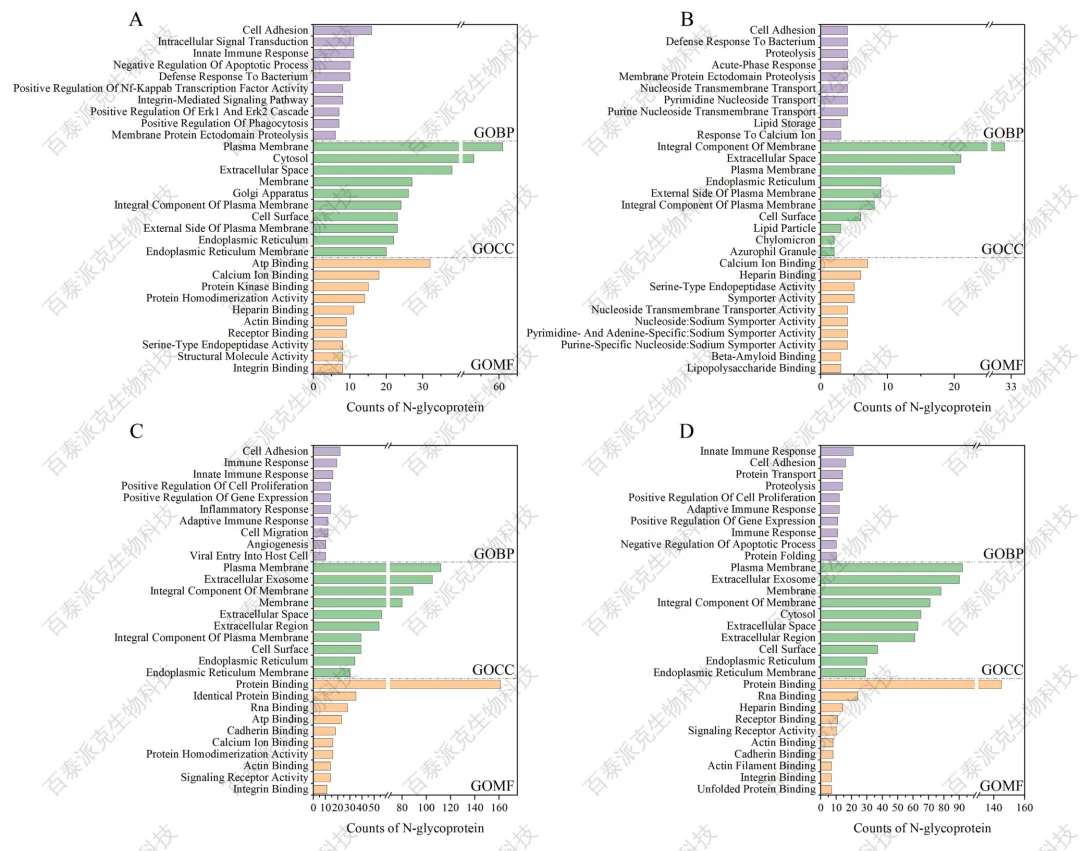
Figure 3. GO analysis of MFGM N-glycoproteins in DC (A), DM (B), HC (C), and HM (D)
After GO functional annotation analysis of all identified proteins, it was found that MFGM glycoproteins in DC, DM, HC, and HM mainly participate in cell adhesion and are primarily located in the endoplasmic reticulum, cell surface, extracellular space, and plasma membrane. Additionally, MFGM glycoproteins in DC, HC, and HM bind to integrins and actin; while MFGM glycoproteins in DC, DM, and HM have heparin-binding properties. Moreover, MFGM glycoproteins in DC, DM, and HC also have calcium-binding properties. Furthermore, MFGM glycoproteins in DC, DM, HC, and HM are involved in the phagosome, complement, and coagulation cascade pathways, with phagosome ranking third in KEGG pathways related to MFGM glycoproteins in DC, DM, HC, and HM. Phagocytosis is an innate defense mechanism where cells such as macrophages and neutrophils engulf and capture various pathogens to respond to pathogen infections. Therefore, the significant enrichment of MFGM glycoproteins in phagosomes indicates their important role in the physiological processes of newborn mammals.
4. Comparison of Specific MFGM Glycoprotein Core and Branch Structures in Donkey and Human ColostrumComparison
Structure
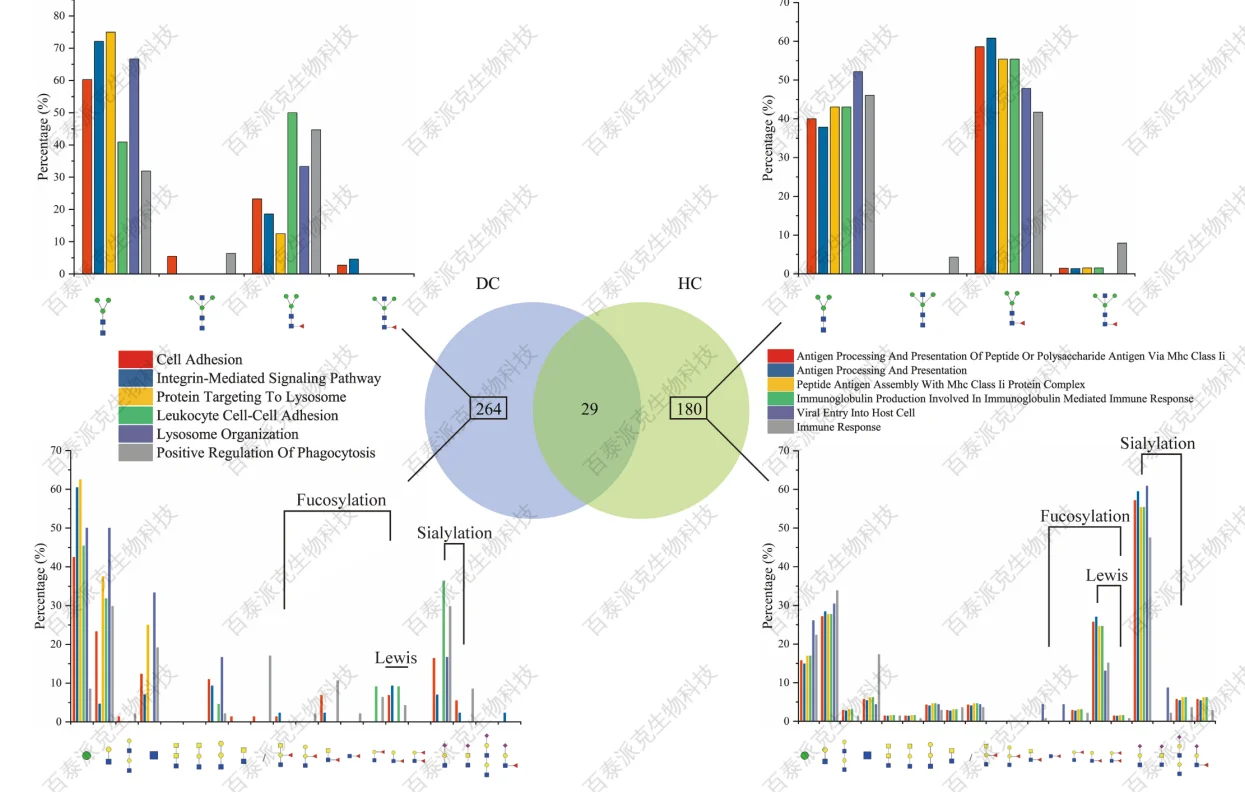
Figure 4. Comparison of specific MFGM glycoprotein core and branch structures related to different biological processes in DC and HC
Subsequently, researchers compared the core and branch structures of MFGM glycoproteins in donkey and human colostrum involved in different biological processes based on BP analysis results. The study found that these glycoproteins exhibit specific expression and participate in different biological processes in donkey and human colostrum. As shown in Figure 4, specific MFGM glycoproteins in DC with pentasaccharide core, mannose branch, and GlcNAc branch structures mainly participate in cell adhesion, integrin-mediated signaling pathways, and lysosome targeting processes. In HC, Lewis branch structures are primarily expressed in biological processes such as antigen processing and presentation, while sialylated LacNAc shows high expression levels in antigen processing and presentation-related processes. These results indicate that MFGM glycoproteins have different core and branch structures in different biological processes and are significant in understanding and regulating glycoprotein functions in milk.
5. Comparison of Specific MFGM Glycoprotein Core and Branch Structures in Colostrum and Mature Milk
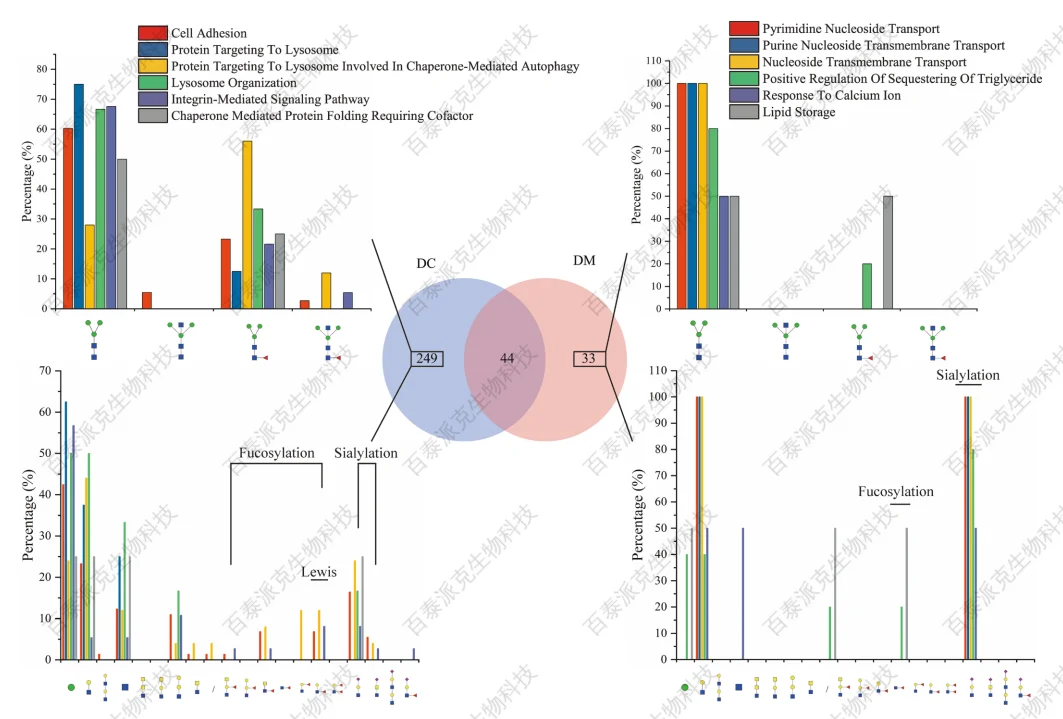
Figure 5. Comparison of specific MFGM glycoprotein core and branch structures related to different biological processes in DC and DM
Subsequently, researchers further compared the core and branch structures of MFGM glycoproteins in donkey and human colostrum and mature milk involved in different biological processes. Figure 5 presents the results, showing that in donkey milk, DC-specific MFGM glycoproteins with pentasaccharide core and mannose branch structures mainly participate in biological processes such as cell adhesion, lysosome targeting proteins, lysosome organization, and integrin-mediated signaling pathways. In DM-specific glycoproteins, proteins with pentasaccharide core and LacNAc branch structures, with or without sialylation, mainly involve biological processes such as pyrimidine nucleoside transport, purine nucleoside transmembrane transport, and nucleoside transmembrane transport. In human milk, HC-specific MFGM glycoproteins with pentasaccharide core structures, along with mannose and LacNAc branch structures, mainly function in pathways such as viral entry into host cells, positive regulation of angiogenesis, and positive regulation of protein kinase B signaling. In human mature milk (HM), specific MFGM glycoproteins with pentasaccharide core structures, accompanied by mannose, Lewis, and GlcNAc branch structures, mainly participate in biological processes such as protein secretion, protein transport, low-density lipoprotein particle clearance, and positive regulation of cholesterol homeostasis.
6. Characterization of Shared MFGM N-glycoproteins in Donkey and Human MilkShared-Glycoprotein Characterization
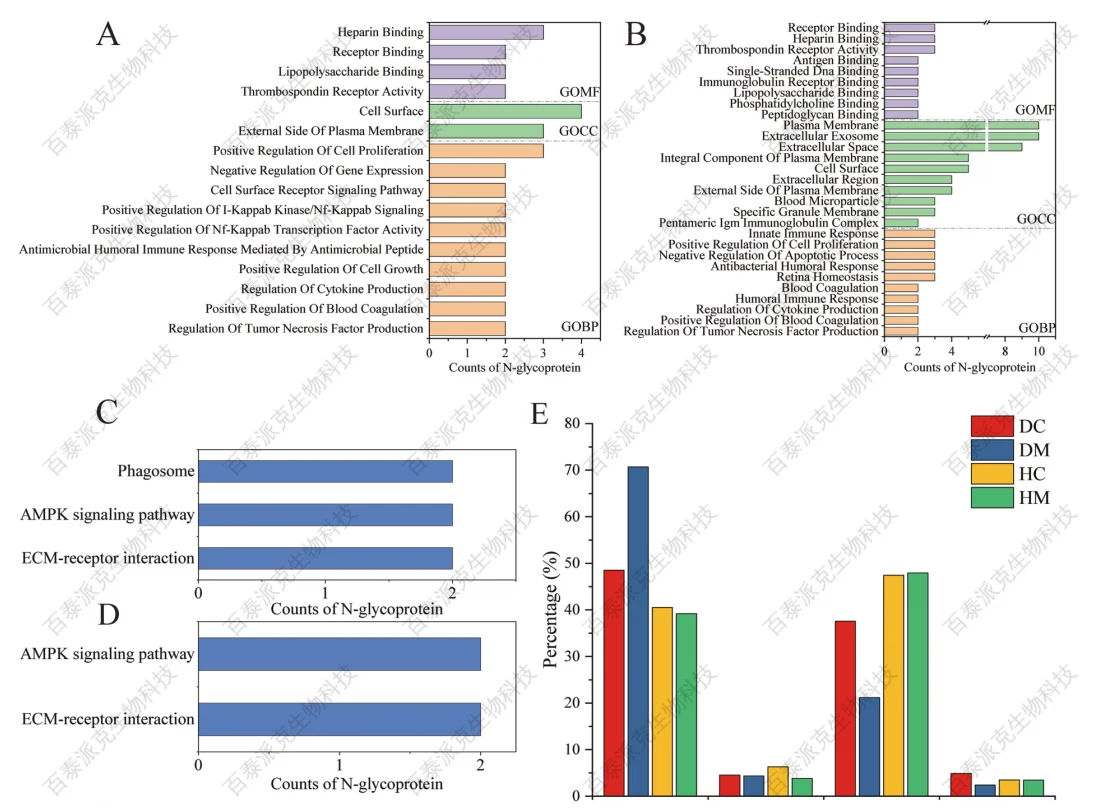
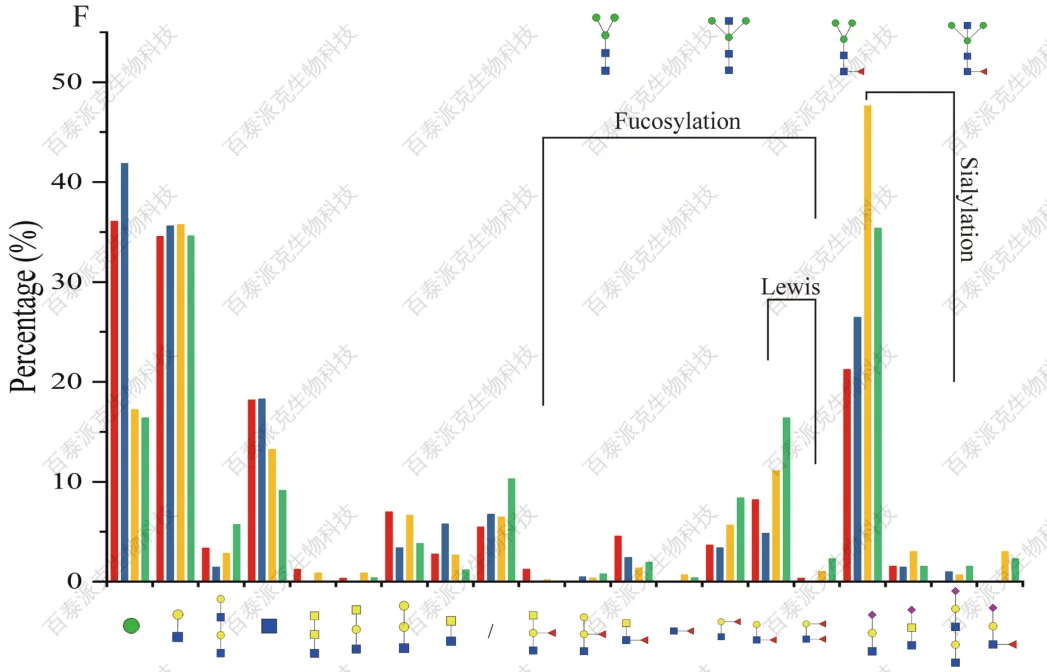
Figure 6. Characterization of shared MFGM N-glycoproteins in DC, DM, HC, and HM
In this study, comprehensive research was conducted on MFGM glycoproteins in donkey and human milk during lactation using glycoproteomics technology based on intact glycopeptides. The research team identified 12 MFGM glycoproteins shared in DC, DM, HC, and HM, including butyrophilin subfamily 1 member A1, leukocyte surface antigen CD47, platelet glycoprotein 4, lactotransferrin, mucin 4, etc. Functional analysis showed that shared MFGM glycoproteins in donkey milk mainly participate in biological processes such as positive regulation of cell proliferation and negative regulation of gene expression, while shared MFGM glycoproteins in human milk are mainly enriched in biological processes such as innate immune response, positive regulation of cell proliferation, and negative regulation of apoptotic processes. KEGG pathway analysis showed that shared MFGM glycoproteins in donkey and human milk are related to AMPK signaling pathways and ECM-receptor interaction pathways.
Regarding glycan structure modifications, the study found that the presence of core structures is mainly related to the presence of core fucose. Compared to donkey milk, human milk has higher core fucosylation levels, especially in DM, where most core structures are core pentasaccharide structures. In donkey milk, simpler branch structures such as mannose and single GlcNAc branches are more common, while in human milk, complex branches such as Lewis types and LacNAc branches with or without sialylation are more abundant.
In summary, this study comprehensively researched MFGM glycoproteins in donkey and human milk during lactation using glycoproteomics technology based on intact glycopeptides. The study not only identified various N-glycoproteins but also described their site-specific N-glycosylation profiles in detail. Through GO annotation and KEGG pathway analysis, the relationship between the biological activity of different MFGM glycoproteins and N-glycosylation was revealed, providing important information on N-glycan structure and biological function. Additionally, the study offers a new perspective on the role of glycosylation in regulating human health physiology and provides technical support for further developing donkey milk infant formula similar to human milk.
Related Services
How to order?




