






The Impact of Antibody Drug Primary Structure on Drug Activity
As an important class of biopharmaceuticals, antibody drugs play a crucial role in the treatment of various diseases. The primary structure of antibody drugs, namely their amino acid sequence, is critical to the drug's activity. This article will take you on an in-depth exploration of how the primary structure of antibody drugs affects their activity, revealing the key factors involved.
1. Specific Recognition:The primary structure of antibody drugs determines their ability to specifically recognize particular antigens. By varying the position and sequence of amino acids, antibody drugs can selectively bind to target molecules. This highly specific recognition ability enables antibody drugs to precisely interact with disease-related molecules, exerting therapeutic effects.
2. Immune Regulation:The primary structure of antibody drugs can also influence the regulatory functions of the immune system. For instance, by modulating the Fc region of antibodies, the activity of immune cells can be enhanced or suppressed. This regulatory effect can play a significant role in the treatment of autoimmune diseases, cancer, and inflammatory diseases.
3. Pharmacokinetics:The primary structure of antibody drugs has a significant impact on their pharmacokinetics in the body. For example, characteristics such as the size, hydrophilicity, and stability of antibodies affect their distribution, metabolism, and clearance in the body. Understanding the relationship between the primary structure of antibody drugs and their pharmacokinetics can help optimize drug dosage and administration schemes, improving therapeutic efficacy.
4. Role of Antibody Engineering:With advancements in biotechnology, scientists can engineer the primary structure of antibody drugs. By altering the amino acid sequence, introducing modifications, or changing the conformation of antibodies, the activity and performance of drugs can be adjusted. The application of antibody engineering technology makes it possible to design and prepare more optimized antibody drugs, thereby enhancing their therapeutic efficacy and safety.
5. Variability of Antibody Drug Primary Structure:Due to the variability in the primary structure of antibody drugs, different individuals may have different responses to the same antibody drug. This variability can affect the drug's efficacy, immunogenicity, and pharmacokinetic properties. Therefore, in the development and application of antibody drugs, it is important to fully consider individual differences and the need for personalized treatment.
6. Further Research and Prospects of Antibody Drug Primary Structure:With continuous technological advancements, research on the primary structure of antibody drugs is continuously deepening. Emerging technologies such as single-cell sequencing, high-resolution mass spectrometry, and structural biology will provide us with more comprehensive and detailed information on the primary structure of antibody drugs. Additionally, the application of artificial intelligence and big data analysis is expected to accelerate the research progress of antibody drug primary structures, further expanding the application fields and efficacy of antibody drugs.
In summary, the primary structure of antibody drugs is crucial for their activity. Through impacts on specific recognition, immune regulation, and pharmacokinetics, the primary structure of antibody drugs plays a key role. In the future, with the application of antibody engineering and emerging technologies, we hope to gain deeper insights into the details of antibody drug primary structures, further optimizing drug design and efficacy, bringing more breakthroughs in disease treatment.
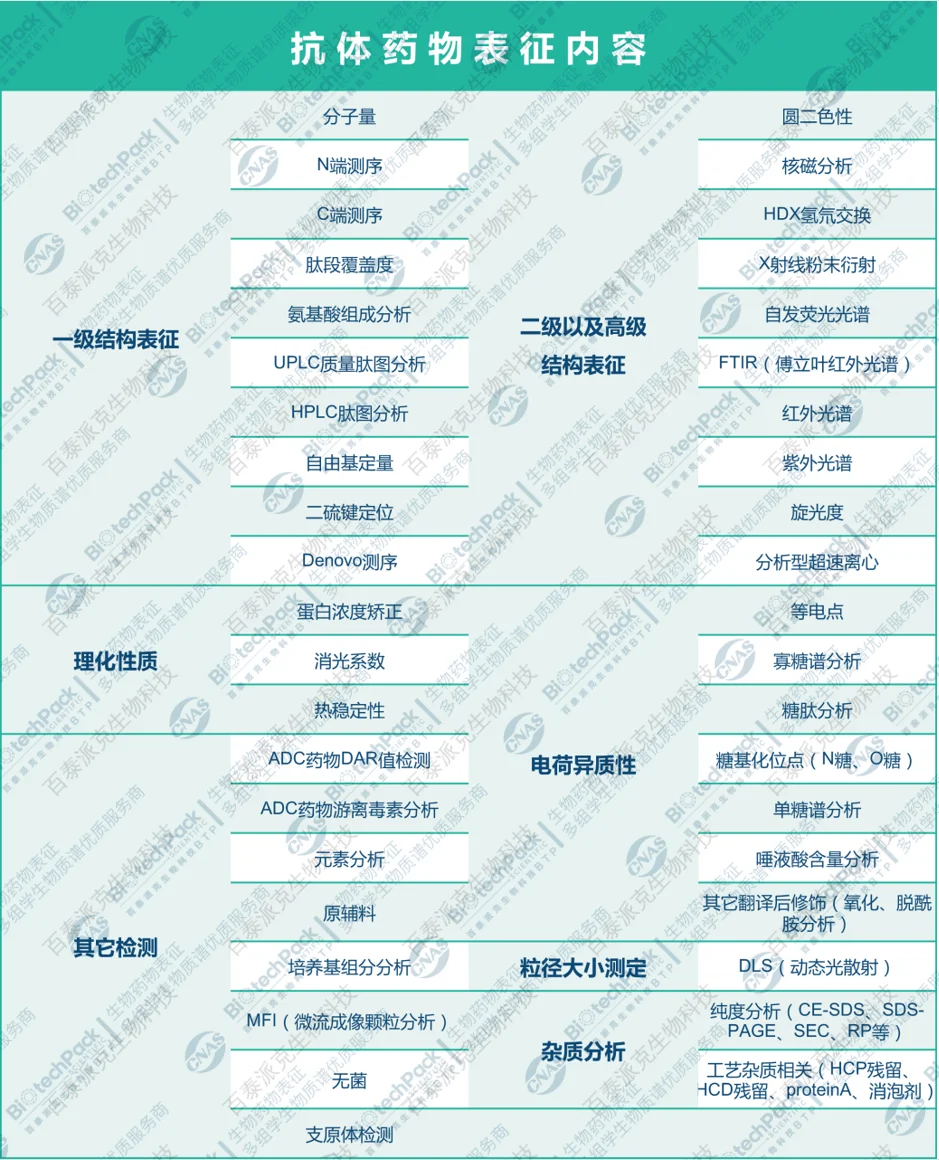
Figure 1
Biotech Co., Ltd. -- Characterization of Biologics, High-Quality Multi-Omics Mass Spectrometry Services
Related Services:
Antibody Drug HPLC Peptide Mapping Analysis
Protein Peptide Mapping Determination
How to order?




