






Plant Exosome Proteomics
Plant exosome proteomics helps in detecting and identifying plant exosomes and further understanding the physiological functions of plant exosomes. Biotech Pack provides mass spectrometry-based plant exosome proteomics analysis services.
Plant Exosomes
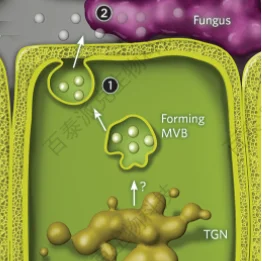
Extracellular vesicles (EVs) are a collective term for various membrane-structured vesicles released by cells, ranging in diameter from 30nm to 8um. Exosomes are a type of extracellular vesicle, with a diameter of 30-150nm, originating from the endocytic pathway and containing nucleic acids, proteins, and lipids. Due to their novel roles in cell-cell communication, research on exosomes has increased over the past years, especially those derived from mammals. Studies have shown that nanoparticles isolated from plant cells possess characteristics and secretion patterns very similar to those of mammalian cells; these nanoparticles are plant exosomes. These exosomes are isolated from different types of edible plants, such as grapefruit, grapes, ginger, lemons, and broccoli. Research indicates that exosomes extracted from edible plants are an effective drug carrier, with functions in reducing liver damage and intestinal diseases.
Plant Exosome Proteomics
Plant Exosome Proteomics
Proteins are among the substances contained in plant exosomes. Plant exosome proteomics aims to study the proteome within plant exosomes, including proteins on the exosome membrane and those contained within exosomes. Research in plant exosome proteomics aids in detecting and identifying plant exosomes and further studying and understanding the physiological functions of plant exosomes. Mass spectrometry, as a common technique in proteomics, can be used for research in plant exosome proteomics.
Related Services
Exosome Proteomics
Exosome Non-targeted Metabolomics
Exosome Lipidomics Services
How to order?




