






Histone Acetylation Research Methods
Histone acetylation is a type of post-translational modification of histones. Mass spectrometry can be used in the study of histone acetylation, including qualitative and quantitative analysis of histone acetylation modifications. Biotech company BGI provides mass spectrometry-based histone acetylation detection services.
Histone Acetylation
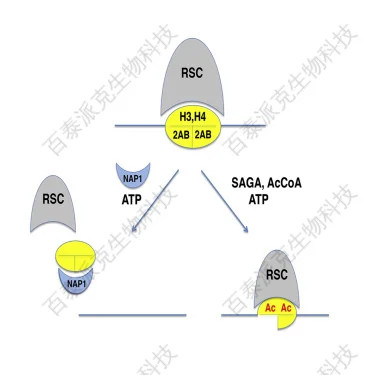
Histones are basic proteins found in the nucleus of eukaryotic cells, forming the smallest subunit of chromatin, the nucleosome, together with DNA. Post-translational modifications of histones are closely related to their function. Reported histone modifications include acetylation, methylation, phosphorylation, ubiquitination, glycosylation, carbonylation, and SUMOylation. Histone acetylation typically occurs on the lysine residues of histone tails and is reversible. It can regulate chromatin condensation. The reaction involves transferring an acetyl group from acetyl-CoA to the ε-amino group of lysine residues, neutralizing the positive charge, thereby weakening the interaction between DNA and histones. This process results from the balance between the activities of two antagonistic enzyme families: histone deacetylases (HDACs) and histone acetyltransferases (HATs), which remove or add acetyl groups to core histones, respectively.
Histone Acetylation Research Methods
Histone Acetylation Research Methods
Research methods for histone acetylation include traditional radiolabeling techniques, Edman sequencing, antibody-based methods, and mass spectrometry-based methods. Mass spectrometry is an effective means of analyzing post-translational modifications of histones, capable of identifying whether histones are acetylated and detecting the levels of histone acetylation.
Related Services
Analysis of Post-Translational Modifications of Histones
Quantitative Proteomics Study of Acetylation
How to order?




