






Plant Proteomics Methylation Modification
Methylation modification is one of the post-translational modifications of plant proteins. Studying the methylation proteomics of plants can help reveal the role of protein methylation in plants. Biotech company BGI provides mass spectrometry-based services for identifying and quantifying methylation modifications in plant proteomics.
Plant Protein Methylation
Methylation is one of the most common post-translational modifications of proteins, found widely in eukaryotic proteomes. It can modify histones and non-histone proteins and help regulate protein functions. Protein methylation can occur on arginine and lysine residues, including mono-methylation, symmetric/asymmetric di-methylation, and tri-methylation. Methylation of the lysine (Lys) side chain is one of the most common methylation events. It is catalyzed by two structurally distinct classes of protein Lys methyltransferases (KMT), SET domain group (SDG), and 7-β strand (SBS) superfamily, which can add 1-3 methyl groups to specific Lys residues in proteins. In plants, these enzymes have been shown to methylate histone and non-histone proteins, which are involved in various aspects of cell biology, including transcription, protein synthesis, and metabolism.
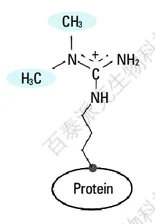
Methylation Modifications in Plant Proteomics
Analysis of Methylation Modifications in Plant Proteomics
In plant proteomics research, phosphorylation proteomics analysis is common, while methylation proteomics research is relatively less explored. Mass spectrometry can be used for the analysis of methylation modifications in plant proteomics, to qualitatively and quantitatively study plant methylation proteomes and identify differential proteins, thus helping to reveal the role of protein methylation in plants.
Related Services
Methylation Quantitative Proteomics Study
Post-translational Modification Proteomics Analysis
How to order?




