






Protein Phosphorylation Site Analysis
Protein phosphorylation site analysis involves identifying the amino acid residue sites where proteins are phosphorylated. Biotech company Biotyper offersProtein Phosphorylation Site IdentificationandPhosphorylation Quantitative Proteomicsservices.
Protein Phosphorylation Sites
Protein phosphorylation sites refer to the specific amino acid residue sites where proteins are phosphorylated. Most phosphorylated proteins contain more than one phosphorylation site. Histidine, aspartic acid, and glutamic acid residues are common phosphorylation sites in prokaryotes, whereas serine, threonine, and tyrosine residues are common in eukaryotes. Arginine, lysine, and cysteine are also known phosphorylation sites. Phosphorylation sites are crucial for protein function and transport because phosphorylation at any given site can alter a protein's function or localization. Since proteins are direct executors of life activities, analyzing protein phosphorylation sites is very important.
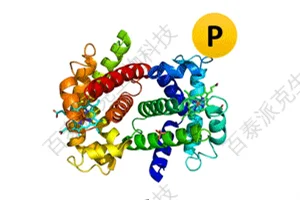
Protein Phosphorylation Site Analysis
Protein Phosphorylation Site Analysis
Protein phosphorylation site analysis involves identifying phosphorylated amino acid residue sites. Traditional methods for analyzing protein phosphorylation sites primarily used P32 labeling, which has been gradually phased out due to radioactive contamination and low throughput. Currently, common techniques for identifying phosphorylation sites include immunoblotting and mass spectrometry. Mass spectrometry, in particular, uses pre-separation and enrichment of phosphorylated proteins and peptides to quickly and accurately identify protein phosphorylation sites.
Related Services:
Post-Translational Modification Proteomics Analysis
Phosphorylation Quantitative Proteomics
How to order?




