






Application of Quantitative Proteomics in Cancer Research: Identification of Biomarkers and Therapeutic Targets
Cancer, as a serious disease, severely affects human health and quality of life. Early diagnosis and effective treatment of cancer are crucial for improving patient survival rates. In recent years, quantitative proteomics has played a significant role in cancer research as a powerful technical tool. This article will provide an in-depth introduction to the application of quantitative proteomics in cancer research, focusing on its potential in identifying biomarkers and therapeutic targets.
1. Identification of Cancer Biomarkers
Quantitative proteomics plays an important role in the identification of cancer biomarkers. By conducting quantitative proteomic analysis of cancer tissue samples, serum, or urine, changes in protein abundance related to cancer can be discovered. These differentially abundant proteins may have potential diagnostic value and can serve as cancer biomarkers. Quantitative proteomics can also help researchers gain deeper insights into the mechanisms and biological characteristics of cancer.
2. Identification of Therapeutic Targets
Quantitative proteomics also plays a crucial role in identifying therapeutic targets for cancer. By comparing the differences in protein expression between cancer cells and normal cells, potential therapeutic targets closely related to the occurrence and development of cancer can be identified. Quantitative proteomics can help researchers determine changes in the abundance of these proteins and further study their functions and regulatory mechanisms in cancer cells. The discovery of these therapeutic targets provides important clues for developing new targeted treatment strategies.
3. Drug Development and Personalized Therapy
Quantitative proteomics has broad application prospects in cancer drug development and personalized therapy. Through quantitative proteomic analysis, the effects of different drugs on cancer cells can be evaluated, and candidate drugs with high anti-tumor activity can be screened. Additionally, quantitative proteomics can help identify biomarkers for personalized therapy, guiding clinical decisions and optimizing treatment plans.
4. Prospects and Challenges
The application of quantitative proteomics in cancer research reveals new opportunities for understanding the molecular mechanisms and therapeutic targets of cancer. However, challenges remain in sample processing, mass spectrometry analysis, and data interpretation. Continued technological development and methodological improvements will help overcome these challenges and further promote the widespread application of quantitative proteomics in cancer research.
As a powerful technical tool, quantitative proteomics plays an important role in cancer research. By identifying biomarkers and therapeutic targets, quantitative proteomics provides new insights and methods for early diagnosis, treatment, and drug development for cancer. With continuous technological advancements and methodological improvements, the application prospects of quantitative proteomics in cancer research will become even broader.
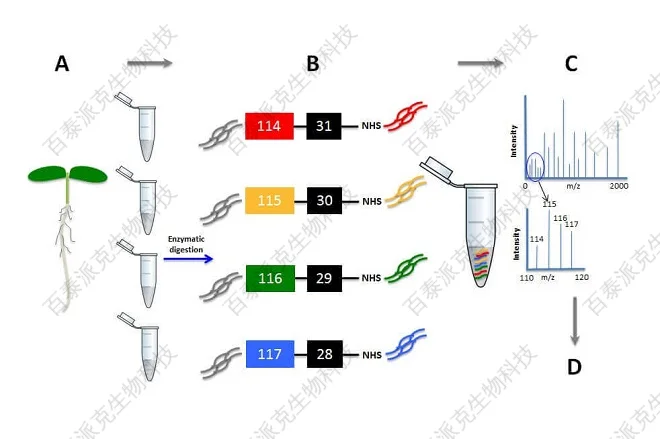
Figure 1
Biotech Pack Bio-Tech--Characterization of Biologics, Quality Service Provider for Multi-Omics Mass Spectrometry Analysis
Related Services:
Label-Free Quantitative Proteomics Analysis
Tag-Based Protein Quantification Techniques - iTRAQ, TMT, SILAC
Semi-Quantitative Proteomics Analysis
Protein Mass Spectrometry Identification
Protein Relative Quantification
Quantitative Proteomics Analysis
Post-Translational Modification Quantitative Proteomics Analysis
How to order?




