






The Importance of Protein Purity and Detection Methods: Ensuring Quality Control in Biopharmaceutical Development
In the field of biopharmaceutical research and development, protein purity is one of the key factors in ensuring drug quality and efficacy. Highly pure protein samples can reduce unnecessary variability and adverse reactions, ensuring the stability and effectiveness of the drug. Therefore, scientists are committed to developing reliable methods for assessing protein purity to ensure quality control of biopharmaceuticals. This article will detail the importance of protein purity and explore common methods for protein purity assessment, aiming to provide readers with a comprehensive understanding of protein purity.
1. Importance of Protein Purity
Protein purity is an indicator that measures the content of the target protein relative to other impurities in a protein sample. High purity protein samples are crucial for biopharmaceutical research and development, with the following importance:
(1) Ensuring Drug Safety:
Other proteins or impurities present in the drug may cause allergic reactions, immune responses, or other adverse reactions. Highly pure protein samples can reduce the risk of these adverse reactions, thereby ensuring drug safety.
(2) Maintaining Drug Stability:
The presence of impurities can lead to instability in protein samples, such as aggregation, degradation, or inactivation. By obtaining highly pure protein samples, these issues can be minimized, ensuring drug stability and longevity.
(3) Enhancing Drug Efficacy:
The higher the purity of the target protein, the better the drug's efficacy. High purity protein samples can enhance the bioactivity and selectivity of the drug, thereby increasing therapeutic effects.
2. Common Methods for Protein Purity Assessment
(1) Gel Electrophoresis:
Gel electrophoresis is a commonly used protein separation technique that separates and purifies samples based on the molecular weight and charge characteristics of proteins. Gel electrophoresis can quickly assess the impurities and relative content of target proteins in samples.
(2) High-Performance Liquid Chromatography:
High-Performance Liquid Chromatography (HPLC) is a high-resolution protein analysis technique used for separating and purifying protein samples. By measuring the absorption or fluorescence signals of proteins, HPLC can provide quantitative assessments of protein sample purity.
(3) Mass Spectrometry:
Mass spectrometry is a highly sensitive protein analysis method used to identify and quantify target proteins and impurities in protein samples. Mass spectrometry provides information on the molecular weight, sequence, and modifications of protein samples, playing an important role in determining purity.
Protein purity is important in biopharmaceutical research and development as it directly affects the safety, stability, and efficacy of drugs. By appropriately choosing the suitable methods for protein purity assessment, scientists can accurately evaluate the purity of protein samples and ensure quality control of biopharmaceuticals. The combined application of gel electrophoresis, high-performance liquid chromatography, and mass spectrometry can provide comprehensive and reliable protein purity analysis, offering effective support for biopharmaceutical research and development.
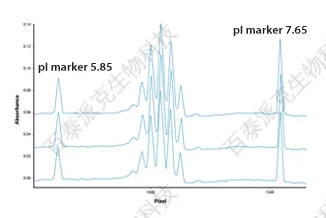
Figure 1
BaiTaiPack Biotechnology – A leading service provider in biological product characterization and multi-omics mass spectrometry analysis
Related Services:
Protein Purity and Homogeneity Characterization
SDS-PAGE Protein Purity Analysis
Protein Purity Analysis (Size Exclusion/Reversed-Phase Chromatography)
Protein Isoelectric Point Determination
Protein Structure Identification
Molecular Weight Determination
HPLC Protein Analysis
HPLC Protein Purity Determination
How to order?




