






Post-Translational Modification Proteomics
Post-Translational Modification Proteomics (PTM Proteomics) is a subfield of proteomics that focuses on the study of types, locations, and dynamic changes of post-translational modifications of proteins. Since post-translational modifications have critical impacts on protein function, activity, localization, and stability, in-depth study of them is crucial for understanding cellular signal transduction, protein network interactions, and mechanisms of disease development.
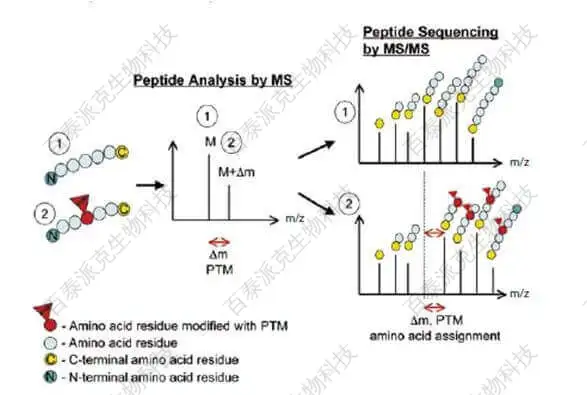
Figure 1. Illustration of protein post-translational modification identification
There are many types of post-translational modifications, including phosphorylation, acetylation, ubiquitination, SUMOylation, glycosylation, and deamidation. PTM aims to identify and quantify these different modifications:
- Identification and Quantitative Analysis: Identifying PTM sites on proteins and the abundance changes of these modifications.
- Functional Studies: Exploring how specific PTMs affect protein functions, including enzyme activity, interaction partners, and subcellular localization.
- Regulatory Mechanisms: Understanding how cells regulate complex biological processes through PTMs.
Mass spectrometry, especially liquid chromatography-tandem mass spectrometry (LC-MS/MS), is the main method for studying post-translational modifications. Through mass spectrometry, specific positions and types of modifications can be identified. Affinity purification techniques, such as antibody precipitation or specific binding beads, are often used to enrich proteins or peptides with specific modifications. Labeling methods (e.g., SILAC, iTRAQ, TMT) or label-free methods (such as SWATH, DIA) can be used to quantitatively analyze dynamic changes of modifications under different conditions. Extensive data processing and analysis require specialized bioinformatics tools, such as MaxQuant, Skyline, and Proteome Discoverer.
Application Fields
1. Disease Research: Abnormal PTMs in conditions such as cancer and neurodegenerative diseases.
2. Drug Discovery: Development of inhibitors or activators targeting specific PTM enzymes.
3. Biomarker Development: Using specific PTM patterns as diagnostic or prognostic indicators for diseases.
4. Basic Biology: Understanding fundamental biological processes such as cell signaling, protein folding, and degradation.
Biotech Pack BioScience - Characterization of Biologics, High-Quality Multi-omics Mass Spectrometry Services
Related Services:
Post-Translational ModificationsProteome Analysis
Protein Lactylation Modification
Phosphoproteomics Quantitative Study
Acetylation Quantitative Proteomics Study
Ubiquitination Quantitative Proteomics Study
Glycosylation Quantitative Proteomics Study
Protein Disulfide Bond Identification and Quantitative Analysis
Histone Post-Translational Modification Analysis
How to order?




