






What methods are used to enrich ubiquitinated proteins
Common methods for ubiquitinated protein enrichment include:
1. Anti-Ubiquitin Antibody Enrichment:
This is one of the most common methods for enriching ubiquitinated proteins. Researchers use high-affinity anti-ubiquitin antibodies to bind to ubiquitinated proteins, and then employ techniques like immunoprecipitation or affinity chromatography to isolate the ubiquitinated proteins bound to the antibodies. These can then be used for further analysis, such as mass spectrometry identification or protein affinity experiments. These antibodies can specifically recognize and bind to ubiquitin tags on proteins. Commonly used are anti-K48 and anti-K63 chain-specific ubiquitin antibodies, as well as ubiquitin antibodies that recognize multiple types of ubiquitin chains.
2. Use of Ubiquitin Binding Domains:
Ubiquitin binding domains (such as TUBEs, UBA, UBD, etc.) can specifically bind to ubiquitin chains. By fusing these binding domains to a solid-phase matrix (such as agarose beads), they can be used to enrich ubiquitinated proteins.
(1) Tandem Ubiquitin Binding Entities (TUBEs): TUBEs are an affinity purification tool used for enriching ubiquitinated proteins. They are protein domains with high affinity that can selectively bind to ubiquitin chains, allowing the enrichment and isolation of ubiquitinated proteins.
(2) Ubiquitin Affinity Resins: Some commercial affinity resins or columns are functionalized with high-affinity ubiquitin domains and can be used to enrich ubiquitinated proteins. Researchers can pass samples through these resins or columns to capture and enrich ubiquitinated proteins.
(3) Ubiquitin Binding Proteins: Some protein molecules, such as members of the UBD (Ubiquitin-binding domains) family, have high-affinity ubiquitin binding domains and can be used to enrich ubiquitinated proteins. Researchers can mix these ubiquitin binding proteins with the sample and then use affinity purification to enrich the ubiquitinated proteins.
3.Immunoprecipitation:
Using anti-ubiquitin antibodies for immunoprecipitation is also a common method to isolate ubiquitinated proteins from complex samples.
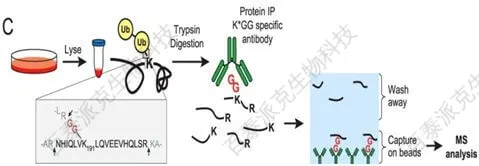
Figure 1. Research Route for Ubiquitination Modification
During experimental operations, attention should be paid to the handling and storage conditions of samples to prevent protein degradation or loss of ubiquitin tags. Additionally, techniques such as mass spectrometry can be used for further identification and analysis of the enriched ubiquitinated proteins.
BiotechPack, A Biopharmaceutical Characterization and Multi-Omics Mass Spectrometry (MS) Services Provider
Related Services:
Post-Translational Modification Proteomics Analysis
Histone Post-Translational Modification Analysis
Label-Free Quantitative Proteomics Analysis
Label-Based Protein Quantification Techniques - iTRAQ, TMT, SILAC
MRM/PRM Quantitative Proteomics Analysis
How to order?




