






- Primary Structure Analysis
- High-resolution mass spectrometry molecular weight
- MALDI TOF mass spectrometry analysis
- N-terminal sequence analysis
- C-terminal sequence analysis
- N/C terminal sequence analysis
- Analysis of the K deletion ratio at the C-terminus of antibodies
- LC-MS/MS protein full sequence validation
- Peptide coverage / Peptide spectrum analysis
- Protein peptide profile determination
- Amino Acid Composition Analysis
- Extinction coefficient analysis
- View more
- Advanced Structural Analysis
- Charge Heterogeneity Analysis
- Impurity Analysis
- Native Mass Spectrometry
- SDS-PAGE protein purity analysis
- Protein purity analysis (size exclusion/reverse phase chromatography)
- Host Cell Protein Residue (HCP) Analysis Service
- Antibody-Drug Conjugates (ADCs) Analysis
- Protein content analysis
- Product-related impurity analysis
- Analysis of other process-related impurities
- View more
- Special Analysis
- Primary Structure Analysis
How to perform ubiquitination of proteins
Ubiquitination is a protein modification process that involves attaching ubiquitin, a small regulatory protein, to substrate proteins. The experimental steps of ubiquitination are quite complex and generally include the following main stages:
1. Ubiquitin Activation:
Ubiquitin is activated using an E1 enzyme (ubiquitin-activating enzyme). This process involves binding ubiquitin to the E1 enzyme to form a ubiquitin-E1 complex.
2. Ubiquitin Transfer:
Ubiquitin is transferred from the E1 enzyme to an E2 enzyme (ubiquitin-conjugating enzyme). This step forms a ubiquitin-E2 complex.
3. Substrate Recognition and Ubiquitination:
An E3 enzyme (ubiquitin ligase) is used to recognize specific substrate proteins and promote the transfer of ubiquitin from the E2 enzyme to the substrate protein. This step is crucial in the ubiquitination process, as the E3 enzyme is responsible for the specific recognition of substrates.
4. Formation of Polyubiquitin Chains (if needed):
In some cases, it may be necessary to form polyubiquitin chains on the substrate protein. This is achieved by repeating the ubiquitination steps, where each newly added ubiquitin links to a lysine residue of the previous ubiquitin.
5. Detection and Analysis of Ubiquitinated Proteins:
Ubiquitinated proteins can be detected and analyzed using methods such as Western blotting, immunoprecipitation, or mass spectrometry.
6. Control Experiments:
Conduct appropriate control experiments, such as using ubiquitination inhibitors, ubiquitin mutants, or knockout/knockdown cell lines for specific E3 enzymes, to verify the specificity of ubiquitination.
7. Optimization of Experimental Conditions:
The efficiency of ubiquitination may be influenced by various factors, including the concentration of the substrate protein, the activity of E1/E2/E3 enzymes, reaction time, and temperature.
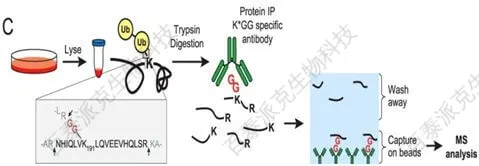
Figure 1. Research Pathway of Ubiquitination Modification
BiotechPack, A Biopharmaceutical Characterization and Multi-Omics Mass Spectrometry (MS) Services Provider
Related Services:
Quantitative Proteomics Studies of Ubiquitination
Post-Translational Modification Proteome Analysis
Histone Post-Translational Modification Analysis
Label-Free Quantitative Proteome Analysis
Label-Based Protein Quantification Techniques - iTRAQ, TMT, SILAC
How to order?




