






Comparison of Plasma Requirements for Different Types of Samples in Proteomics Research
Proteomics is an important biological research method. By analyzing the proteins in biological samples, it can reveal information about the composition, function, and interactions of proteins within organisms. In proteomics research, plasma is one of the most commonly used sample types. This article will discuss the required plasma volume for different types of samples in proteomics research.
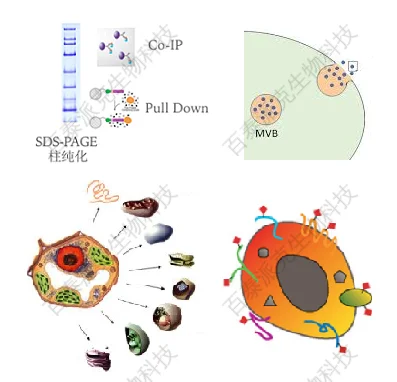
Figure 1
1. Source and Importance of Plasma Samples
• Non-clinical Research
In non-clinical research, plasma samples donated by healthy volunteers are usually used. These samples provide baseline data to help establish reference ranges for protein expression under normal physiological conditions.
• Clinical Research
In clinical research, collecting patient plasma samples can help understand the application of biomarkers in disease diagnosis, prognosis assessment, and treatment monitoring. Plasma samples also play an important role in the development and clinical application of biopharmaceuticals.
2. Considerations for Plasma Sample Volume
1. Research Purpose
The research purpose is one of the key factors determining the plasma sample volume. In preliminary exploratory studies, a smaller sample size may be chosen, while in validation studies and clinical trials, a larger sample size is required to ensure the statistical significance of the results.
2. Technical Sensitivity
Different proteomics techniques have varying requirements for plasma sample volumes. For some mass spectrometry techniques with lower sensitivity, a larger plasma sample volume may be needed to ensure data accuracy.
3. Comparison of Plasma Requirements for Different Sample Types
• Healthy Volunteer Samples
For non-clinical research, plasma samples are typically collected from healthy volunteers. In proteomics research, the plasma sample volume for each healthy volunteer is usually between 1-5 milliliters.
• Disease Patient Samples
In clinical research, patient samples are crucial for understanding the physiological processes of diseases and treatment effects. The choice of sample volume should consider the type of disease and research purpose, and is generally between 5-20 milliliters.
In proteomics research, selecting an appropriate plasma sample volume is crucial for ensuring the accuracy and reliability of experimental results. Based on factors such as research purpose, technical sensitivity, and sample source, scientists should carefully choose the plasma requirements for different sample types to provide reliable data support for biopharmaceutical development and clinical application.
Baitai Parker Biotechnology--BiologicalProductsCharacterization, a high-quality provider of multi-omics mass spectrometry detection services
Related Services:
Quantitative Proteomics Analysis
Label-Free Quantitative Proteomics Analysis
Label-based Protein Quantification Techniques - iTRAQ, TMT, SILAC
MRM/PRM Quantitative Proteomics Analysis
How to order?




