






How to Efficiently Analyze the Composition and Structure of Protein Complexes?
Protein complexes are functional units formed by the interaction of two or more proteins. Analyzing the composition and structure of protein complexes is crucial for understanding their functions and regulatory mechanisms. This article introduces several efficient methods used to analyze the composition and structure of protein complexes, including mass spectrometry, structural biology, and bioinformatics. By understanding the principles and applications of these methods, we can gain deeper insights into the functions and regulatory mechanisms of protein complexes, as well as their importance in biopharmaceutical development and disease research.
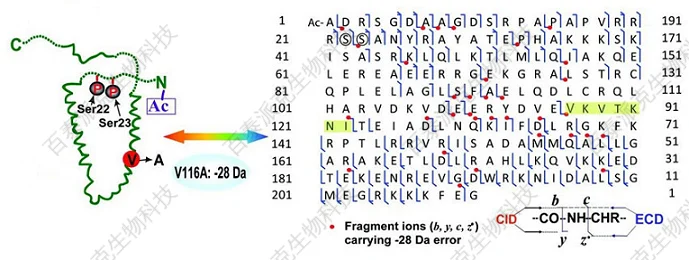
Figure 1
Analyzing the composition of proteins is one of the important tasks in proteomics research, involving the determination of amino acid sequences, post-translational modifications, and structural information of proteins. Below are several commonly used methods to analyze protein composition.
1. Protein Sequencing
Protein sequencing is a key technology for determining the amino acid sequence of proteins. Traditional protein sequencing methods include N-terminal sequencing and endoprotease methods. N-terminal sequencing is suitable for known protein sequences and determines the protein composition by progressively truncating the N-terminal amino acid sequence. The endoprotease method involves enzymatically cleaving proteins to produce a series of fragments, which are then analyzed using techniques such as mass spectrometry to determine the amino acid sequences of the fragments and infer the entire protein sequence.
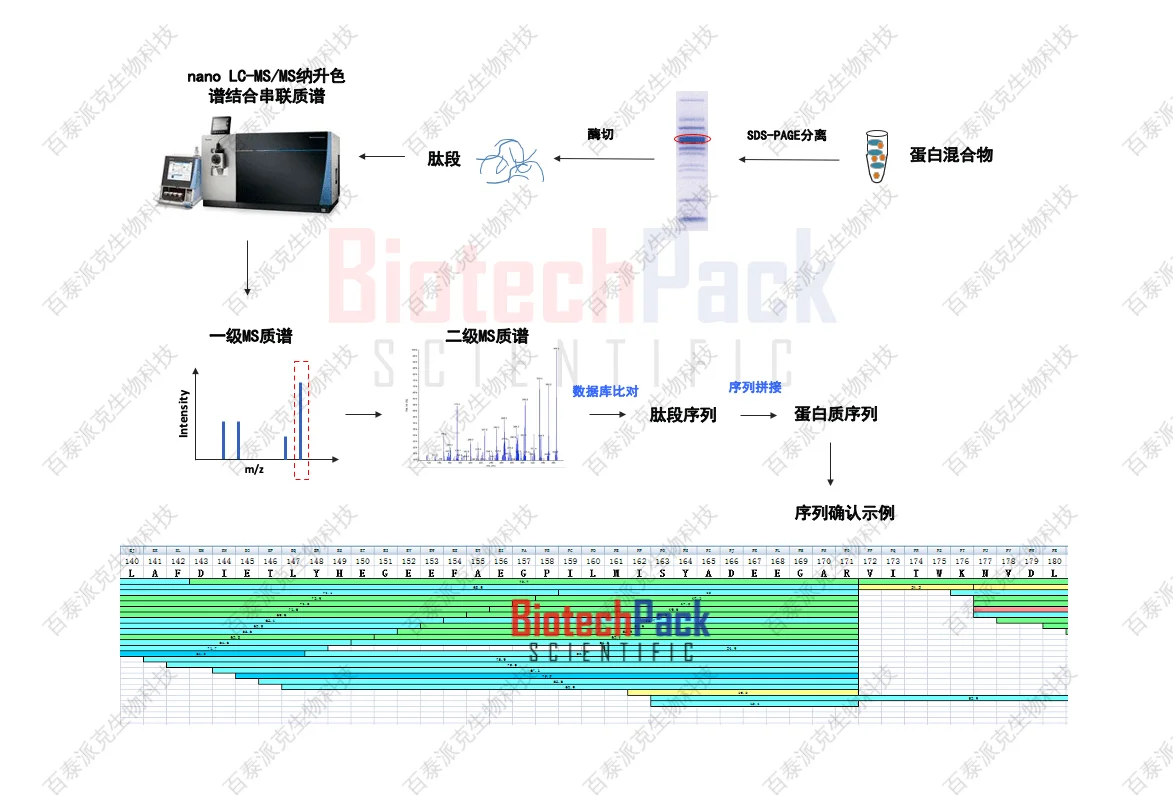
Figure 2
2. Mass Spectrometry Analysis
Mass spectrometry analysis is one of the important techniques for analyzing protein composition. By ionizing protein samples and performing mass analysis, a mass spectrum of the protein can be obtained. Mass spectrometry quantification can be used to determine the relative abundance or absolute quantity of proteins, while mass spectrometry identification can be used to determine protein identity and modification status. Mass spectrometry techniques include the choice of ionization source (such as electrospray ionization, matrix-assisted laser desorption/ionization) and type of mass spectrometer (such as time-of-flight mass spectrometer, quadrupole mass spectrometer).
3. Genomics and Transcriptomics
The development of genomics and transcriptomics provides important information for analyzing protein composition. By sequencing and analyzing genomic and transcriptomic data, the encoding genes of proteins, transcription levels, and possible post-translational modifications can be inferred. Genomic and transcriptomic data can be combined with protein mass spectrometry data to provide more comprehensive information on protein composition.
4. Structural Biology Methods
Structural biology methods reveal the composition and function of proteins by analyzing their three-dimensional structure. Techniques such as X-ray crystallography, nuclear magnetic resonance, and electron microscopy can be used to analyze the atomic-level details and spatial conformation of proteins. By understanding the structure of proteins, their composition, domain structure, and possible post-translational modifications can be inferred.
The above are commonly used methods for analyzing protein composition, which provide information on proteins at different levels. Combining these techniques can reveal information on the amino acid sequence, post-translational modifications, and structure of proteins, providing important support for a deeper understanding of protein functions and mechanisms.
Biotech Pack Biosciences - BiotechProductsCharacterization, High-Quality Multi-Omics Mass Spectrometry Testing Service Provider
Related Services:
Protein Mass Spectrometry Identification
Protein Structure Identification
Quantitative Proteomics Analysis
Protein Sequencing
Determination of Protein Primary Structure
Protein Secondary Structure Analysis
Biopharmaceutical Disulfide Bond/Free Cysteine Detection
Protein Disulfide Bond Identification and Quantitative Analysis
Protein Identification
Shotgun Proteomics Identification
Hydrogen-Deuterium Exchange Mass Spectrometry (HDX MS)
Top-Down Characterization of PTMs
Protein Isoelectric Point Determination
Molecular Weight Determination
Protein Purity and Homogeneity Characterization
How to order?




