






Antibody CDR Region Sequence Analysis: How to Reveal Its Specificity to Antigens?
Antibodies are important molecules in the immune system, capable of specifically binding to antigens. The variable region of antibodies includes the CDR (complementarity-determining region) areas, which play a crucial role in antigen recognition and binding. Understanding the importance of antibody CDR region sequence analysis is essential for comprehending the specific binding mechanisms between antibodies and antigens.
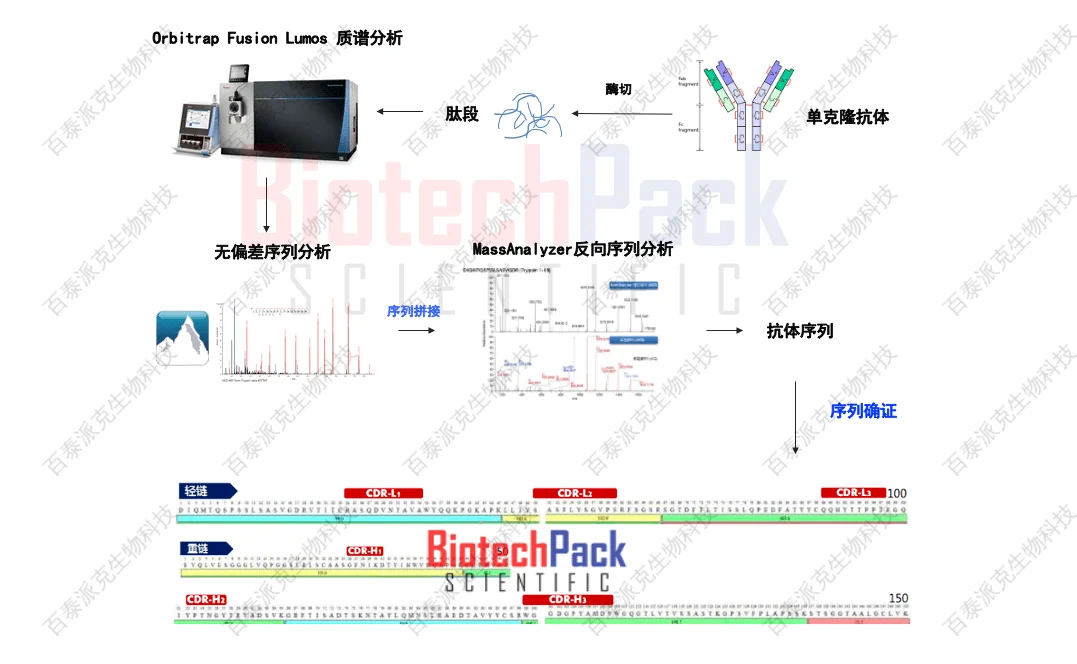
Figure 1
1. Function and Sequence Diversity of CDR Regions
CDR regions are composed of the heavy and light chains of the antibody, divided into three sub-regions: CDR1, CDR2, and CDR3. They are located in the variable region of the antibody and exhibit high variability and diversity. The sequence diversity of CDR regions determines the specificity and affinity of antibodies, as they recognize and bind to specific epitopes on antigens.
2. Computational Methods for CDR Region Sequence Analysis
CDR region sequence analysis can be performed through computational methods. These methods are based on databases and models of a large number of known antibody sequences, utilizing sequence alignment, statistical methods, and machine learning techniques to infer the sequence and structural characteristics of CDR regions. These computational methods can reveal the conservation and variability of CDR sequences, aiding in predicting the affinity and specificity of antibodies to specific antigens.
3. Experimental Methods for CDR Region Sequence Analysis
CDR region sequence analysis can also be conducted through experimental methods. Single-cell sequencing technology can be used to analyze the CDR region sequences of individual B cells, thus studying the diversity and affinity of antibodies. Additionally, structural biology methods such as X-ray crystallography and nuclear magnetic resonance can provide high-resolution information on CDR region structures, further elucidating the specific binding mechanisms between antibodies and antigens.
CDR region sequence analysis holds significant importance in biopharmaceutical development. By analyzing the sequence characteristics of CDR regions, one can optimize the affinity, specificity, and stability of antibodies, thereby enhancing the efficacy and safety of biopharmaceuticals. Moreover, in immunological research, CDR region sequence analysis can be used to study the immune response and memory mechanisms of antibodies, as well as the development of vaccines and therapeutic methods.
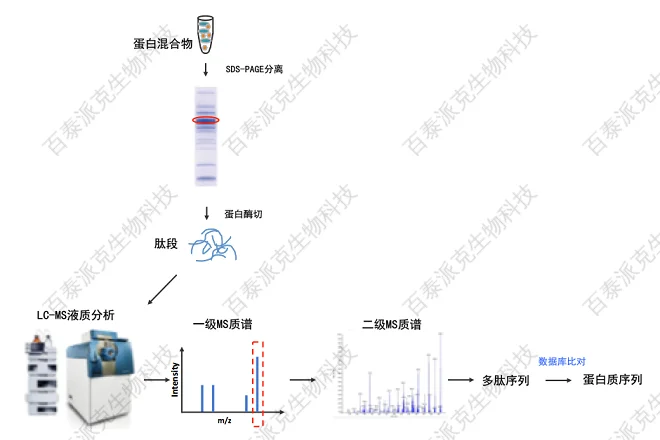
Figure 2
Antibody CDR region sequence analysis is a crucial method for uncovering the specific binding between antibodies and antigens. Through computational and experimental methods, we can gain a deeper understanding of the function and sequence diversity of CDR regions and reveal the specific binding mechanisms between antibodies and antigens.
Biotage Biotech--BiotechnologyProductsCharacterization, a high-quality multi-group biomolecular mass spectrometry service provider
Related Services:
Protein Mass Spectrometry Identification
Protein Structure Identification
Quantitative Proteomics Analysis
Full-length Antibody Protein Sequence Analysis
De Novo Sequencing of Monoclonal Antibodies
Mass Spectrometry-based Protein Sequencing
Mass Spectrometry-based Antibody Sequencing
Mass Spectrometry-based Peptide Sequencing
How to order?




