






Studying Specific Site Modifications of Histone Acetylation Using WB Method
1. What is Histone Acetylation?
Histone acetylation is a common protein modification that alters the function and structure of proteins by adding acetyl groups to specific sites on the histone protein chain. Histone acetylation plays an important regulatory role in cells, participating in the regulation of gene expression, cell cycle, and cell differentiation, among other biological processes.
2. Introduction to the WB Method
The WB method (Western Blotting) is a commonly used protein analysis technique that can be used to detect and quantify the presence and expression levels of target proteins in samples. The WB method combines protein electrophoresis separation and immunodetection techniques. It involves separating proteins, transferring them to a membrane, and using specific antibodies to bind the target proteins, which are then observed and quantified through chemiluminescence or staining methods.
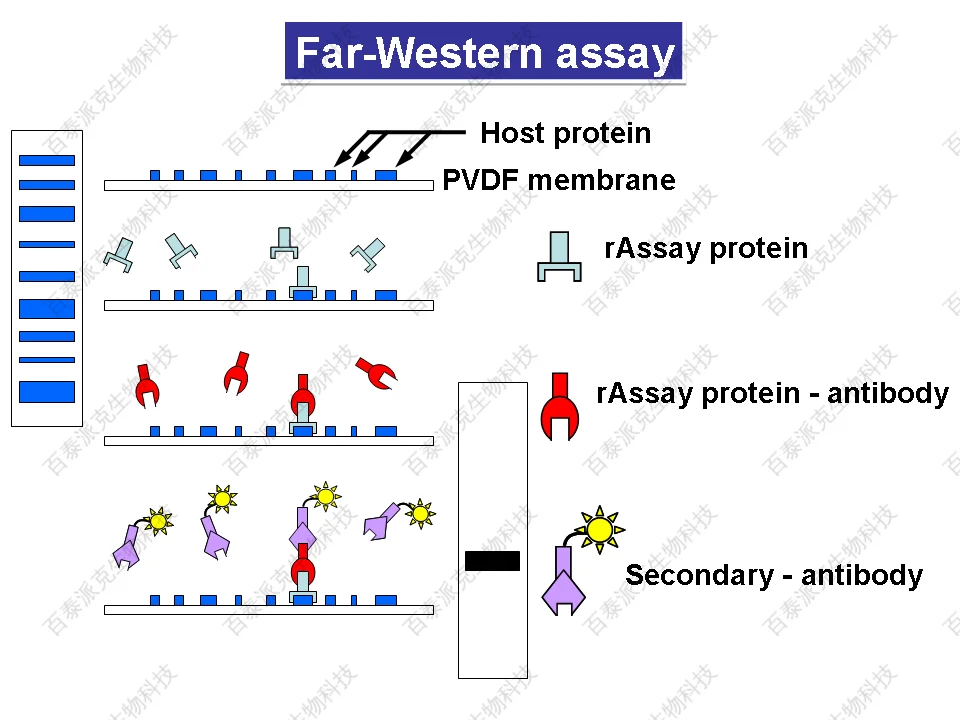
Figure 1
3. Steps to Study Histone Acetylation Using the WB Method
Step 1: Protein Extraction and Electrophoresis
First, the target protein needs to be extracted from cells or tissues. This can be achieved through cell lysis and centrifugation. The extracted protein samples need to undergo electrophoresis separation, commonly using SDS-PAGE (polyacrylamide gel electrophoresis). SDS-PAGE separates proteins based on their molecular weight, preparing them for subsequent immunodetection.
Step 2: Protein Transfer
Transferring the electrophoresis-separated proteins to a membrane is a key step in the WB method. Common transfer methods include wet transfer and semi-dry transfer. During the transfer process, proteins migrate from the gel to the membrane while maintaining their relative positions from the gel.
Step 3: Immunodetection
After completion of the transfer, specific antibodies are used to detect the target proteins. For studying specific site modifications of histone acetylation, specific antibodies can be used to recognize acetylated proteins. These antibodies bind to the acetylated proteins, forming specific immune complexes.
Step 4: Signal Detection and Analysis
Finally, chemiluminescence or staining methods are used to detect the immune complexes, and an imaging system records the protein signals. These signals can be quantitatively analyzed to study changes in specific site modifications of histone acetylation under different conditions.
4. Advantages and Limitations of the WB Method
As a commonly used protein analysis technique, the WB method has the following advantages:
1. It can detect the presence and expression levels of target proteins.
2. It provides quantitative data by analyzing protein signals.
3. It can simultaneously detect multiple proteins.
However, the WB method also has some limitations:
1. It requires specific antibodies, which may not be available for some proteins.
2. It requires a relatively large sample amount, which might be a limitation for studying rare proteins.
3. The interpretation of results needs to be combined with other experimental data and techniques.
Using the WB method to study specific site modifications of histone acetylation is a common approach. It helps us understand the role of histone acetylation in cell regulation. Through steps such as protein extraction, electrophoresis separation, transfer, immunodetection, and signal analysis, we can obtain quantitative data on histone acetylation and further study its function and mechanism in biological processes. Despite some limitations, the WB method remains an important tool for studying histone acetylation, providing strong support for uncovering the mysteries of cellular regulation.
BiotechPack, A Biopharmaceutical Characterization and Multi-Omics Mass Spectrometry (MS) Services Provider
Related Services:
Protein Interaction Mass Spectrometry Analysis
Co-immunoprecipitation (CO-IP) Combined with Mass Spectrometry for Protein Interaction Analysis
SILAC Combined with Co-immunoprecipitation and Mass Spectrometry for Protein Interaction Analysis
Cross-linking Protein Interaction Analysis
Label Transfer Protein Interaction Analysis
How to order?




