






Application of Next-Generation Computational Models in Predicting the Primary Structure of Peptide Drugs
In the field of drug development, the primary structure of peptide drugs, namely the amino acid sequence, plays a decisive role in the drug's function and activity. The new generation of computational models, especially machine learning and artificial intelligence (AI) technologies, provide powerful tools for predicting and optimizing the primary structure of peptide drugs. Let's delve into the application of these advanced models in predicting the primary structure of peptide drugs.
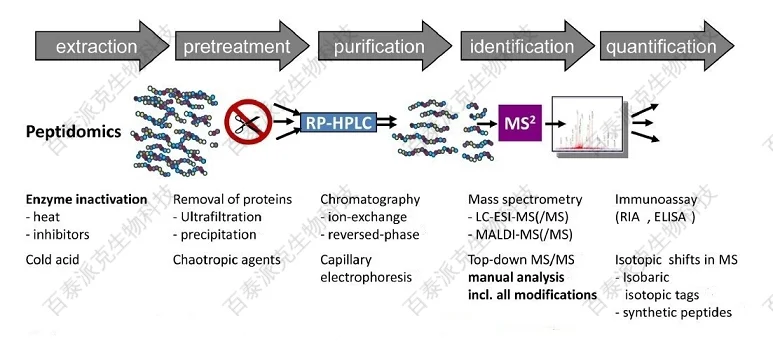
Figure 1
I. Applications
1. Predicting the structure of unknown peptides:Machine learning models, such as deep learning networks, can learn from a large amount of known protein sequence data and apply their learned knowledge to predict the primary structure of unknown peptides. This method has enormous potential in the drug discovery process for peptide drugs.
2. Determining the optimal synthesis strategy:AI models can assist researchers in determining the optimal synthesis strategy for peptides by simulating and predicting the synthesis process. This will greatly enhance the efficiency and success rate of drug development.
II. Challenges and Countermeasures
Although the new generation of computational models has great potential for application in predicting the primary structure of peptide drugs, there are still some challenges in practical applications.
1. Data quality and quantity:The predictive ability of machine learning and AI models largely depends on the quality and quantity of training data. Currently, due to the relative scarcity of high-quality protein sequence data, there are certain limitations to the predictive performance of these models.
2. Model interpretability:Many deep learning models are criticized as 'black boxes' because their prediction processes lack transparency. For drug developers, understanding the biological principles behind the prediction results is very important.
To address these challenges, researchers are working to improve the efficiency and quality of acquiring protein sequence data and exploring more transparent and interpretable model architectures.
III. Future Prospects
Despite the challenges, the application prospects of new-generation computational models in predicting the primary structure of peptide drugs remain broad. With the rapid development of big data, cloud computing, AI, and other technologies, we have reason to believe that these models will play a more important role in future drug development processes.
The new generation of computational models has already and will continue to change the way we predict the primary structure of peptide drugs, thereby accelerating drug development, improving drug quality, and ultimately enhancing the quality of life for patients. We should fully recognize and utilize these tools to face future challenges and seize future opportunities.
Biotech Labs - A leading service provider in bioproduct characterization and multi-omics mass spectrometry analysis
Related Services:
Biopharmaceutical Analysis
Peptide Mass Spectrometry Identification
Peptidomics Analysis
Peptide Purity Analysis
Peptide Sequencing
De Novo Peptide Sequencing
Molecular Weight Determination
Protein Identification
Unknown Metabolite Identification
How to order?




