






Phosphorylation Quantitative Proteomics
Mass spectrometry can be used for both qualitative and quantitative studies of phosphorylated proteomes. Biotech company Biotyper provides mass spectrometry-based quantitative phosphoproteomics research services.
Quantitative Phosphoproteomics
Quantitative phosphoproteomics refers to the quantitative analysis of phosphorylated proteins at the omics level. Phosphorylated proteins are formed by protein kinases transferring phosphate groups from ATP or GTP molecules to specific amino acid side chains of substrate proteins. Protein phosphorylation is a reversible post-translational modification. In the cell life cycle of mammals, at least one-third of proteins undergo phosphorylation modifications. Phosphorylation modifications are involved in many signaling pathways and cellular metabolic processes, and many known diseases are also related to abnormal protein phosphorylation. Therefore, quantitative research on phosphoproteomes to identify differentially expressed phosphorylated proteins helps in discovering disease biomarkers and finding new potential therapeutic drug targets.
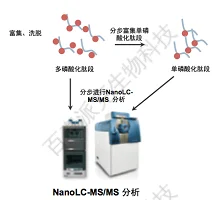
Quantitative Phosphoproteomics
Methods for Quantitative Analysis of Protein Phosphorylation
Due to the low abundance and wide dynamic range of phosphorylated proteins in biological samples, it is necessary to enrich phosphorylated proteins to increase their abundance before conducting quantitative analysis using proteomics methods. Common enrichment methods for phosphorylated proteins/peptides include immunoaffinity chromatography, immobilized metal affinity chromatography (IMAC), and TiO2 chromatography. In mass spectrometry-based quantitative phosphoproteomics analysis, aside from an additional enrichment step, the other procedures are similar to those of general quantitative proteomics.
Related Services
Quantitative Phosphoproteomics Research
Multi-Pathway Phosphoproteomics
Proteomics
How to order?




