





- Sample Preparation
- Protein Properties Analysis
- Omics analysis
- Glycomics Analysis Services
- N-glycan analysis service
- O-glycan analysis service
- N-glycosylation site analysis
- O-glycosylation site analysis
- N-glycosylation modification and modification site analysis service
- O-glycosylation modification and modification site analysis service
- HILIC-UHPLC analysis of N-glycan linkage
- Glycoprotein analysis
- Non-targeted metabolomics analysis
- Lipidomics
- Targeted Metabolomics
- Polysaccharide Identification and Analysis
- Amino acids and their derivatives
- Carbohydrates and Sugar Metabolism
- Carnitine and acylcarnitine类
- Plant hormones
- Bile acid
- Vitamins and Coenzymes
- Animal hormones
- Fatty acids and fatty acid metabolism
- ATP metabolism related substance analysis
- Analysis of NAD Metabolism-Related Substances
- Resveratrol
- Lignans
- Polyphenols
- Flavonoids
- Biogenic amines
- Organic acids
- Aldehydes
- Oxidized cholesterol
- Nucleotide and related substance analysis
- thiol
- Sphingosine analysis service
- Sphingolipid glycan analysis
- Hexosamine
- Diacylglycerol
- Triglycerides
- Short-chain fatty acids
- Endogenous Cannabinoid Analysis Service
- Acetyl-CoA analysis
- Cardiolipin analysis
- Analysis of Phenolic Compounds in Olive Oil
- Wax ester analysis
- Analysis of phenylacetate metabolites in urine
- Analysis methods and processes of polysaccharides
- Analysis of Hydroxyeicosatetraenoic Acids (HETEs)
- Total trans fatty acid analysis
- Analysis of omega-6 fatty acids
- Prostaglandin Analysis
- Ganglioside analysis
- Analysis of lipoxygenase products
- Analysis of Class Peanut Acid
- Analysis of Polyvinyl Alcohol
- Ultra-long chain fatty acid analysis service
- Mycotoxin analysis service
- Cholesterol ester analysis service
- Sphingosine phosphate analysis service
- Glycerophospholipid analysis services
- Free Fatty Acid (FFA) Analysis Service
- Leukotriene analysis services
- Carotenoids
- Acetyl-CoA
- biomarker
- Metal elements
- Amino Acid/Urea Cycle
- Carbon metabolism
- Tryptophan
- More Services
- Integrative analysis of lipidomics and proteomics
- Integrative analysis of transcriptomics and metabolomics
- Integrative analysis of transcriptomics and proteomics
- Integration analysis of transcriptomics and lipidomics
- Exosome sequencing
- metatranscriptome sequencing
- 16S/18S/ITS full-length sequencing
- Prokaryotic transcriptome sequencing
- Eukaryotic non-reference transcriptome sequencing
- Eukaryotic reference transcriptome sequencing
- Integrated analysis of metabolomics and 16S rDNA sequencing
- Integrative Analysis of Proteomics and Metabolomics
- Integration analysis of translated modified proteomics and metabolomics
- Transcriptome sequencing
- 16S/18S/ITS amplicon sequencing
- Integrative analysis of lipidomics and proteomics
- First-level structural analysis
- High-resolution mass spectrometry molecular weight
- MALDI TOF mass spectrometry analysis
- LC-MS high-resolution mass spectrometry molecular weight detection
- SEC-MALS Molecular Weight Detection
- N-terminal sequence analysis
- C-end sequence analysis
- N/C terminal sequence analysis
- Analysis of the K-deletion ratio at the C-terminal of the antibody
- LC-MS/MS protein full sequence verification
- Peptide coverage/peptide spectrum analysis
- Determination of Protein Peptide Profiles
- [  Peptide Profile Analysis]
- Amino Acid Composition Analysis
- Extinction Coefficient Analysis
- Antibody Drug Developability Analysis/Drugability Analysis
- Oligonucleotide sequence analysis
- Oligonucleotide molecular weight analysis
- Advanced Structural Analysis
- Disulfide bond/free cysteine detection
- Disulfide bond positioning analysis
- Circular Dichroism (CD) Analysis
- Hydrogen-Deuterium Exchange Mass Spectrometry (HDX MS)
- Quantification of free thiol groups
- Thermal stability analysis (DSC)
- Fourier Transform Infrared Spectroscopy (FT-IR)
- Biopharmaceutical Stability Analysis
- Dynamic Light Scattering (DLS)
- mRNA 3' poly(A) tail analysis
- mRNA 5' cap rate analysis
- Charge heterogeneity analysis
- Charge Heterogeneity Analysis Based on cIEF
- Analysis of Charge Heterogeneity Based on Ion Chromatography
- Determination of the isoelectric point of proteins
- Sugar profile detection
- Complete Glycosylation Analysis
- Glycosylation site detection
- Oligosaccharide Chain Structure Analysis
- Other translation and modification analysis
- Analysis of Sialic Acid Content
- Monosaccharide composition analysis
- Impurity Analysis
- Native Mass Spectrometry
- SDS-PAGE protein purity analysis
- Protein purity analysis (size exclusion/reversed phase chromatography)
- Host Cell Protein (HCP) Residue Analysis Service
- HCP content detection
- HCP Antibody Coverage Analysis
- Oligonucleotide purity analysis
- Protein Content Analysis
- Analysis of Antibody-Drug Conjugates (ADCs)
- ICP-MS trace element detection
- Research on the Quality of Traditional Chinese Medicine
- Product-related impurity analysis
- Process-related impurity analysis
- Metal content analysis
- Other process-related impurity analysis
- Special Analysis
- First-level structural analysis
Protein Labeling Quantification
Protein Labeling Quantification is an experimental technique used to analyze protein expression and regulation. Proteins in the experiment bind to specific labeling molecules, aiming to quantitatively analyze the expression levels of specific proteins or multiple proteins in different samples.
The key steps of protein labeling quantification usually include:
1. Protein Extraction:
First, extract proteins from the biological samples being studied (such as cells, tissues, or body fluids).
2. Protein Labeling:
Combine proteins with chemical or isotopic labels. These labels can be stable isotope labeling (such as SILAC), isotopically labeled amino acids (such as iTRAQ), or other specific chemical markers. These labels allow researchers to distinguish and quantify the same proteins in different samples during subsequent analysis.
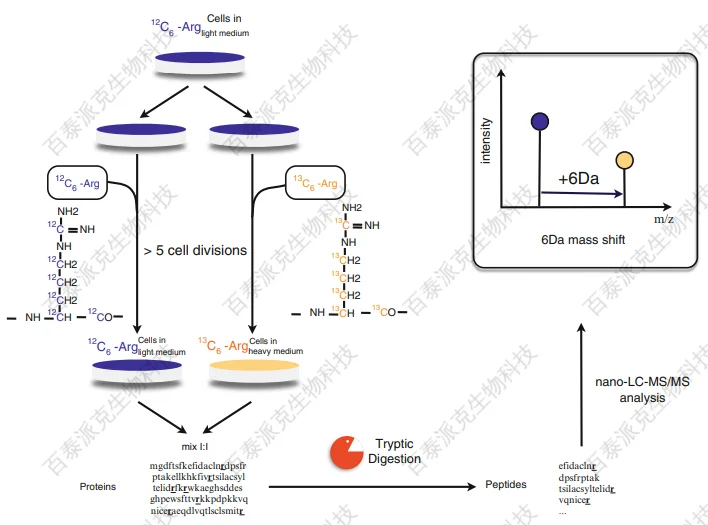
Figure 1. Protein quantification using SILAC (Esthelle et al., 2019)
3. Protein Separation and Identification:
Separate proteins using techniques such as liquid chromatography (LC) or two-dimensional gel electrophoresis (2D-PAGE). Subsequently, mass spectrometry (MS) is typically used to identify and quantify the labeled proteins.
4. Data Analysis:
Use bioinformatics tools to analyze the acquired data and compare the differences in protein expression under different sample or treatment conditions.
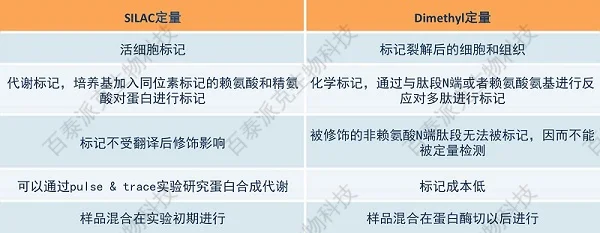
Figure 2. Comparison of SILAC and Dimethyl labeling methods
Protein labeling quantification services have wide applications in biomedical research, drug development, disease diagnosis, and other fields, particularly in studying how proteins are expressed and regulated under different conditions. By quantitatively analyzing protein expression, researchers can better understand the mechanisms of diseases, discover potential biomarkers, or assess the effects of drugs.
BiotechPack, A Biopharmaceutical Characterization and Multi-Omics Mass Spectrometry (MS) Services Provider
Related Services:
Quantitative Proteomics Analysis
Label-Free Quantitative Proteomics Analysis
Label-Based Protein Quantification Techniques - iTRAQ, TMT, SILAC
Quantitative Proteomics Analysis Based on SILAC/Dimethyl Labeling
How to order?






