






Liquid Chromatography-Mass Spectrometry (LC-MS) Histone Modification Detection
Liquid Chromatography-Mass Spectrometry (LC-MS) is a powerful technique frequently used for detecting and quantifying biomolecules, especially protein modifications and other biomolecular modifications. Histone modifications are an important epigenetic phenomenon involving chemical modifications of amino acid residues (such as lysine and arginine) on histones. These modifications may include acetylation, methylation, phosphorylation, ubiquitination, and other types of modifications.
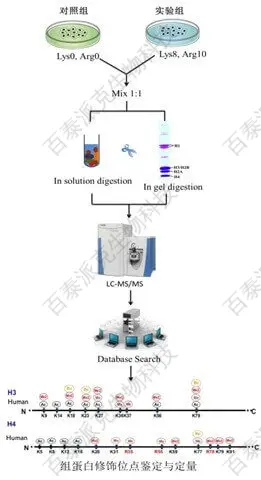
Figure 1. Research Workflow for Histone Post-Translational Modification Identification
General Steps for Detecting Histone Modifications using LC-MS
- Sample Preparation: Extract histones from biological samples, then perform hydrolysis to obtain histone peptides.
- Peptide Enrichment: For specific modifications (e.g., phosphorylation), specific affinity chromatography techniques (such as IMAC or TiO2 columns) may be needed to enrich modified peptides.
- Liquid Chromatography Separation: Use liquid chromatography (LC) to separate peptides. Typically, reverse-phase high-performance liquid chromatography (RP-HPLC) is the preferred method.
- Mass Spectrometry Analysis: The separated peptides enter the mass spectrometer for ionization and detection. Ions are typically fragmented into peptide fragments using techniques like Collision-Induced Dissociation (CID).
- Data Analysis: Use specialized software to analyze mass spectrometry data to determine the peptide sequences and the modifications present. For example, phosphorylation adds a mass of 80 Daltons, while acetylation adds 42 Daltons.
- Quantitative Analysis: By comparing the relative abundance of modified peptides in different samples, quantitative analysis can be performed to understand the dynamic changes of modifications.
Applications of LC-MS in Histone Modification Research:
- Identification of Histone Modification Sites: Through LC-MS, researchers can identify specific modification sites in protein sequences, helping to understand how these modifications affect gene expression.
- Quantitative Analysis of Histone Modifications: Besides identifying modification sites, LC-MS also allows researchers to quantitatively analyze the abundance of different modifications. This can help understand which modifications increase or decrease under certain physiological or pathological conditions.
- Analysis of Multiple Modifications: Often, a histone may have multiple modifications simultaneously. LC-MS has the capability to distinguish and identify these complex modification patterns.
With technological advancements, LC-MS has significantly improved in sensitivity, resolution, and speed. Additionally, new pretreatment and enrichment techniques are continuously being developed, making it easier to detect low-abundance modifications. Finally, with the development of big data analysis methods, software tools for processing and interpreting LC-MS data are also constantly advancing.
BiotechPack, A Biopharmaceutical Characterization and Multi-Omics Mass Spectrometry (MS) Services Provider
Related Services:
Analysis of Histone Post-Translational Modifications
Post-Translational Modification Proteomics Analysis
Quantitative Proteomics Research on Phosphorylation
Quantitative Proteomics Research on Acetylation
Quantitative Proteomics Research on Ubiquitination
How to order?




