






Protein Phosphorylation Assay
Protein phosphorylation is an important intracellular signal transduction mechanism, involving various cellular functions such as growth, division, death, and response. Phosphorylated proteins play a crucial role in cell signal transduction. Therefore, studying protein phosphorylation is essential for understanding cell biology and disease progression.
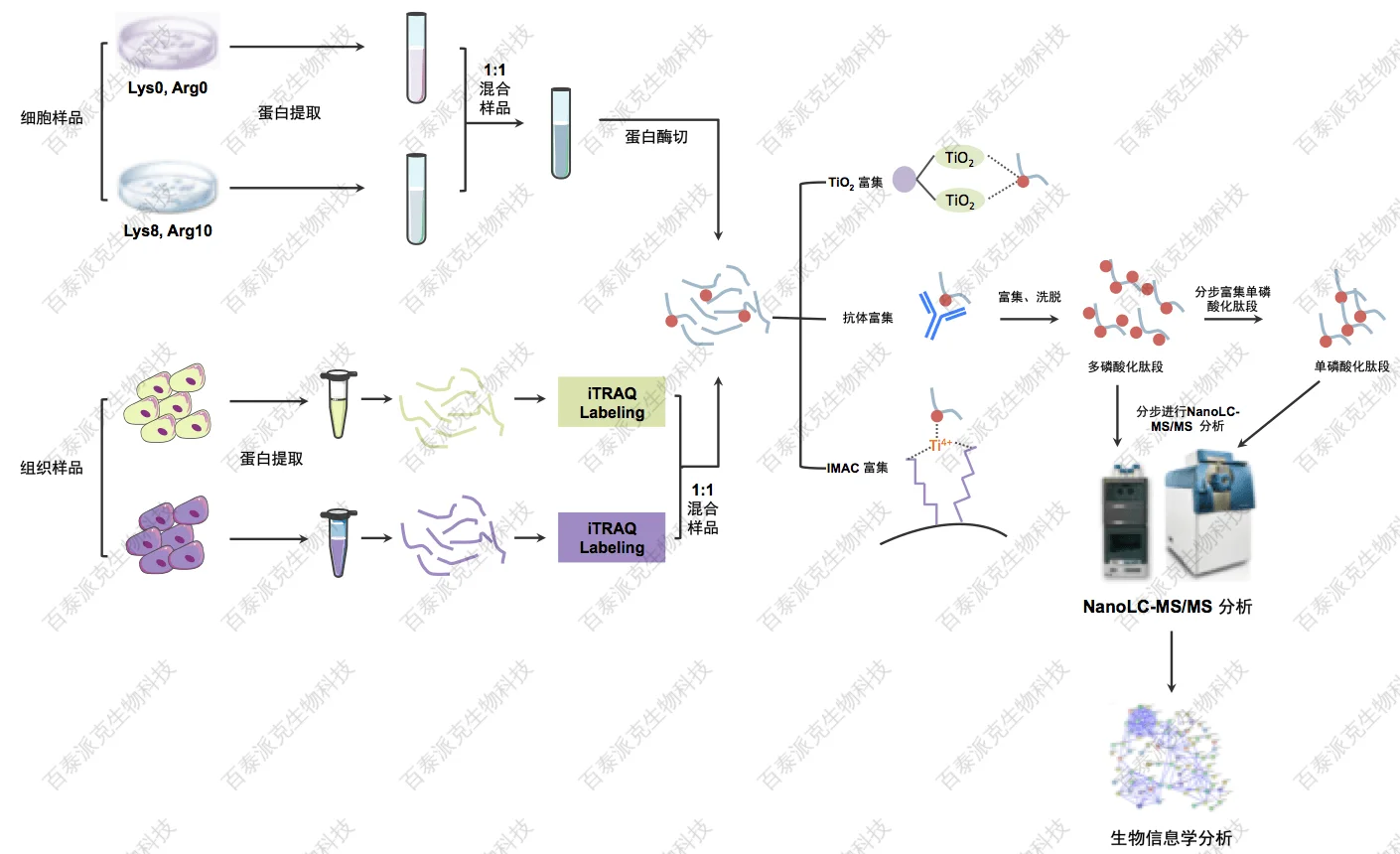
Figure 1. Workflow of Acidic Quantitative Proteomics Analysis
Protein phosphorylation is typically measured using the following methods:
1. Radioactive Labeling Method:
This method typically uses γ-32P ATP as a radioactive phosphate donor, catalyzed by protein kinase, to phosphorylate the target protein. The level of protein phosphorylation is then detected through radioactive measurement.
2. Western Blotting:
This technique involves the use of antibodies specific to particular phosphorylation sites for detection. Protein samples are first separated by SDS-PAGE electrophoresis, then transferred to a PVDF or nitrocellulose membrane, and detected using specific phosphorylation antibodies.
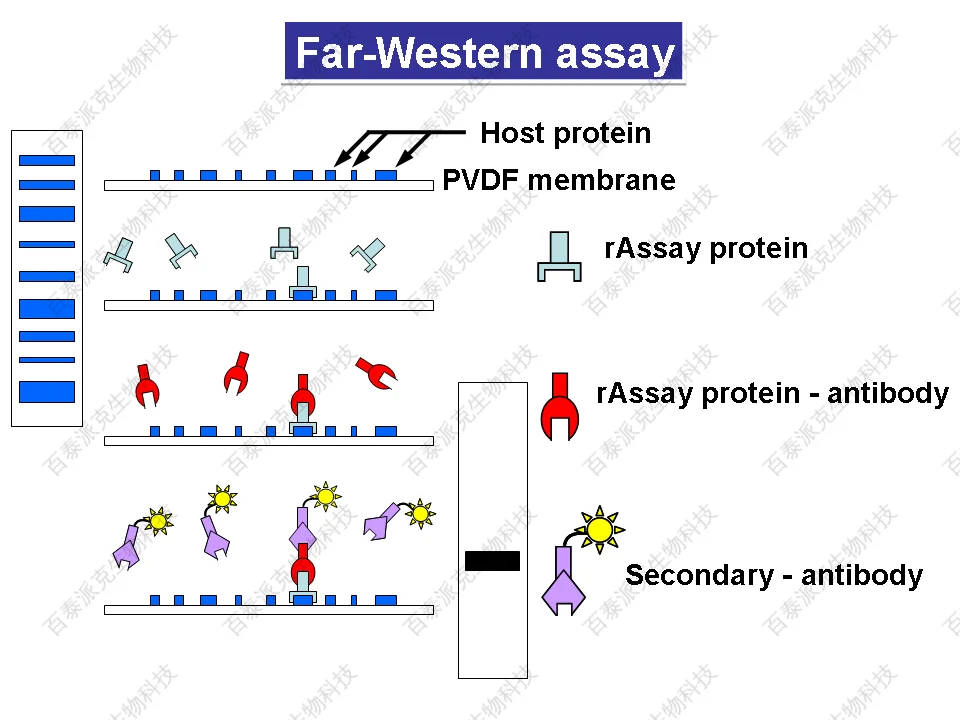
Figure 2. Far-Western Blot Analysis
3. Mass Spectrometry:
Mass spectrometric analysis of proteins or peptides can precisely identify the sites and extent of protein phosphorylation. Common techniques include liquid chromatography-tandem mass spectrometry (LC-MS/MS).
4. Phos-tag Gel Electrophoresis:
Phos-tag is a compound that binds to phosphorylated sites. In Phos-tag SDS-PAGE, phosphorylated proteins move more slowly through the gel, allowing them to be separated from non-phosphorylated proteins.
5. ELISA (Enzyme-Linked Immunosorbent Assay):
Using phosphorylation-specific antibodies, an ELISA can be constructed to measure the levels of phosphorylated proteins in a sample.
6. Flow Cytometry:
Using phospho-specific antibodies and fluorescent labeling, flow cytometry can analyze protein phosphorylation at the single-cell level.
When selecting a method for measuring protein phosphorylation, the nature of the sample, required sensitivity and resolution, available instrumentation, and the intended experimental goals should all be considered.
BiotechPack, A Biopharmaceutical Characterization and Multi-Omics Mass Spectrometry (MS) Services Provider
Related Services:
Phosphorylation Quantitative Proteomics Research
Multipathway Phosphorylation Proteomics
Post-translational Modification Proteomics Analysis
Histone Post-translational Modification Analysis
How to order?




