






Proteomics Solutions
Proteomics solutions are a series of comprehensive methods and techniques used to study the proteome. They aim to gain a thorough understanding of the composition, structure, function, and interactions of proteins within an organism. Here are the solutions for proteomics:
1. Sample Preparation:
This is the primary step in proteomics research, involving the collection, processing, and preparation of biological samples. The quality of sample preparation directly impacts the results of subsequent experiments, so it must be performed meticulously and standardized.
2. Protein Extraction:
Proteins in biological samples must be extracted from other biomolecules, typically using chemical or physical methods. The extraction method should preserve both the integrity and abundance of proteins.
3. Protein Separation:
Extracted proteins may exist in a mixed complex system and need to be purified and separated using separation techniques. Common methods include gel electrophoresis and liquid chromatography.
4. Mass Spectrometry Identification:
This is one of the most critical steps in proteomics, where proteins are identified using mass spectrometry. The process typically involves protein digestion, peptide separation, and mass spectrometry analysis. Protein sequences and identities are determined by comparing with a database.
5. Mass Spectrometry Quantification:
In proteomics research, it is important not only to identify the presence of proteins but also to understand their relative or absolute abundance under different conditions. Therefore, mass spectrometry quantification methods are essential and can be achieved through quantitative mass spectrometry techniques.
6. Bioinformatics Analysis:
The large amount of data generated from proteomics research requires bioinformatics analysis, including protein function annotation, protein interaction network construction, pathway, and functional enrichment analysis, to reveal the roles and regulatory mechanisms of proteins in biological processes.
7. Results Interpretation and Validation:
Interpreting and validating the results of proteomics research is crucial. This includes verifying the identified proteins, validating the bioinformatics analysis results, and ultimately linking these results to research questions to provide strong support for scientific research.
Proteomics solutions are a comprehensive research strategy that encompasses multiple steps and techniques. They help scientists gain a deep understanding of the composition, structure, and function of proteins within organisms, thereby advancing the field of life sciences.
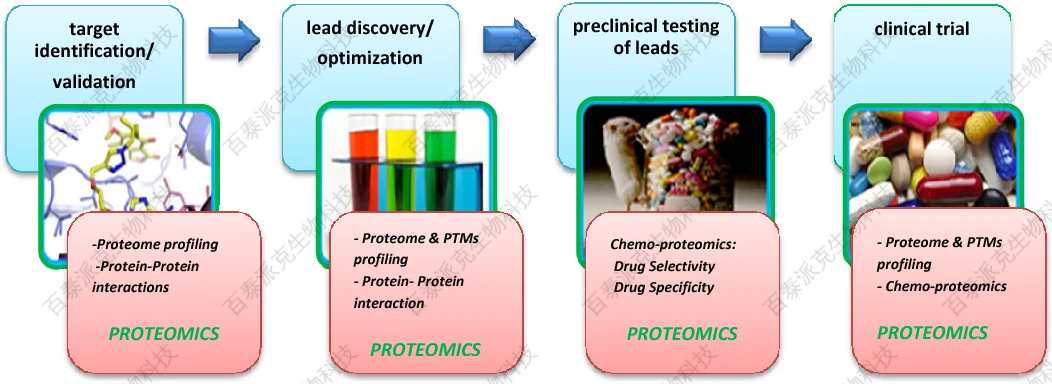
Figure 1. Applications of Proteomics
BiotechPack, A Biopharmaceutical Characterization and Multi-Omics Mass Spectrometry (MS) Services Provider
Related Services:
How to order?




