






Protein Peptide Drug Mass Spectrometry Analysis
In modern pharmaceutical research and development, mass spectrometry analysis of protein and peptide drugs is a crucial step. This analysis not only helps in understanding the molecular structure of the drug but also ensures its safety and efficacy. With the rapid development of biotechnology, protein and peptide drugs have become an important means of treating various diseases, and mass spectrometry analysis provides the necessary molecular-level information.
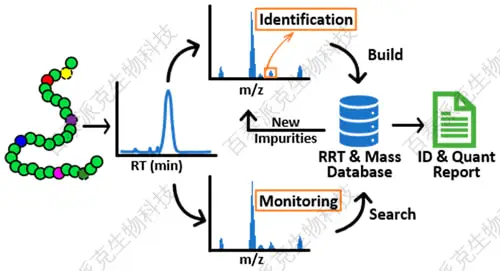
Figure 1 Mass spectrometry characterization of synthetic peptides
1. Characteristics of Protein and Peptide Drugs
Protein and peptide drugs are typically large molecule biopharmaceuticals composed of short or long chains of amino acids. Compared to traditional small molecule drugs, they have higher specificity and biological activity but are also more susceptible to environmental factors such as temperature, pH, and enzyme action. Therefore, strict quality control and structural analysis of these drugs become particularly important.
2. Principles of Mass Spectrometry
Mass spectrometry is a technique for determining molecular mass. It ionizes the sample to generate charged molecules or molecule fragments, which are then separated based on their mass-to-charge ratio (m/z). This process can precisely determine the molecular mass and reveal chemical structural information.
3. Analysis Process
(1) Sample Preparation:
The sample needs to be prepared using appropriate methods, which may include extraction, purification, and concentration of proteins.
(2) Ionization Technique:
The sample is ionized in the mass spectrometer. Common ionization methods include electrospray ionization (ESI) and matrix-assisted laser desorption/ionization (MALDI).
(3) Mass Analysis:
The ionized molecules are separated in the mass spectrometer, and the analyst can obtain a mass spectrum based on differences in mass-to-charge ratio.
(4) Data Processing:
Specialized software is used to process and interpret the spectra to determine the molecular mass, sequence, and any chemical modifications of the proteins or peptides.
4. Application Areas
Mass spectrometry plays a critical role in the development and production of protein and peptide drugs. It is used not only in the development of new drugs but also in monitoring quality control during the manufacturing process and completing batch release testing of drugs.
Mass spectrometry analysis of protein and peptide drugs is a complex but essential process that ensures drug quality and safety. With continuous advancements in technology and the development of new methods, mass spectrometry will continue to play an irreplaceable role in pharmaceutical research and development and the biotechnology field.
BiotechPack, A Biopharmaceutical Characterization and Multi-Omics Mass Spectrometry (MS) Services Provider
Related Services:
Peptide Mass Spectrometry Identification
Molecular Weight Determination
Peptide Biomarker Identification
How to order?




