






Mass Spectrometry Identification of Protein Sulfation
Sulfation is a highly influential post-translational modification (PTM) of proteins that plays a critical role in cell biology. However, due to its low abundance and instability, identifying and quantifying sulfated proteins has been a challenge. In recent years, advancements in mass spectrometry have provided us with powerful tools to address this issue. In this article, we will explore the mass spectrometry identification of sulfated proteins.
1. Biological Significance of Protein Sulfation
The sulfate group is an important phosphate analog that plays a crucial role in many biological processes, such as cell proliferation, cell signaling, and protein degradation. Research on sulfated proteins helps in understanding and addressing various biological diseases, including cancer, autoimmune diseases, and infections.
2. Application of Mass Spectrometry in the Identification of Sulfated Proteins
1. Mass spectrometry (MS) is a powerful tool that can be used to identify and quantify proteins, including those that have undergone post-translational modifications. Through mass spectrometry, we can identify sulfation sites, quantify the abundance of sulfated proteins, and study how sulfation affects protein function.
2. In the mass spectrometry identification process of sulfated proteins, proteins must first be separated and purified. Then, specific enzymes (such as trypsin) are used to cleave the proteins into peptides. These peptides are subsequently sent into a mass spectrometer for analysis. The mass spectrometer ionizes the peptides and measures their mass and charge.
3. Based on the mass spectrometry data, we can identify sulfated proteins through database search algorithms. These algorithms compare experimental data with known protein databases to identify peptide sequences and modification sites. Recently, new analytical methods, such as real-time search and open search, have been developed to more accurately and efficiently identify sulfated proteins.
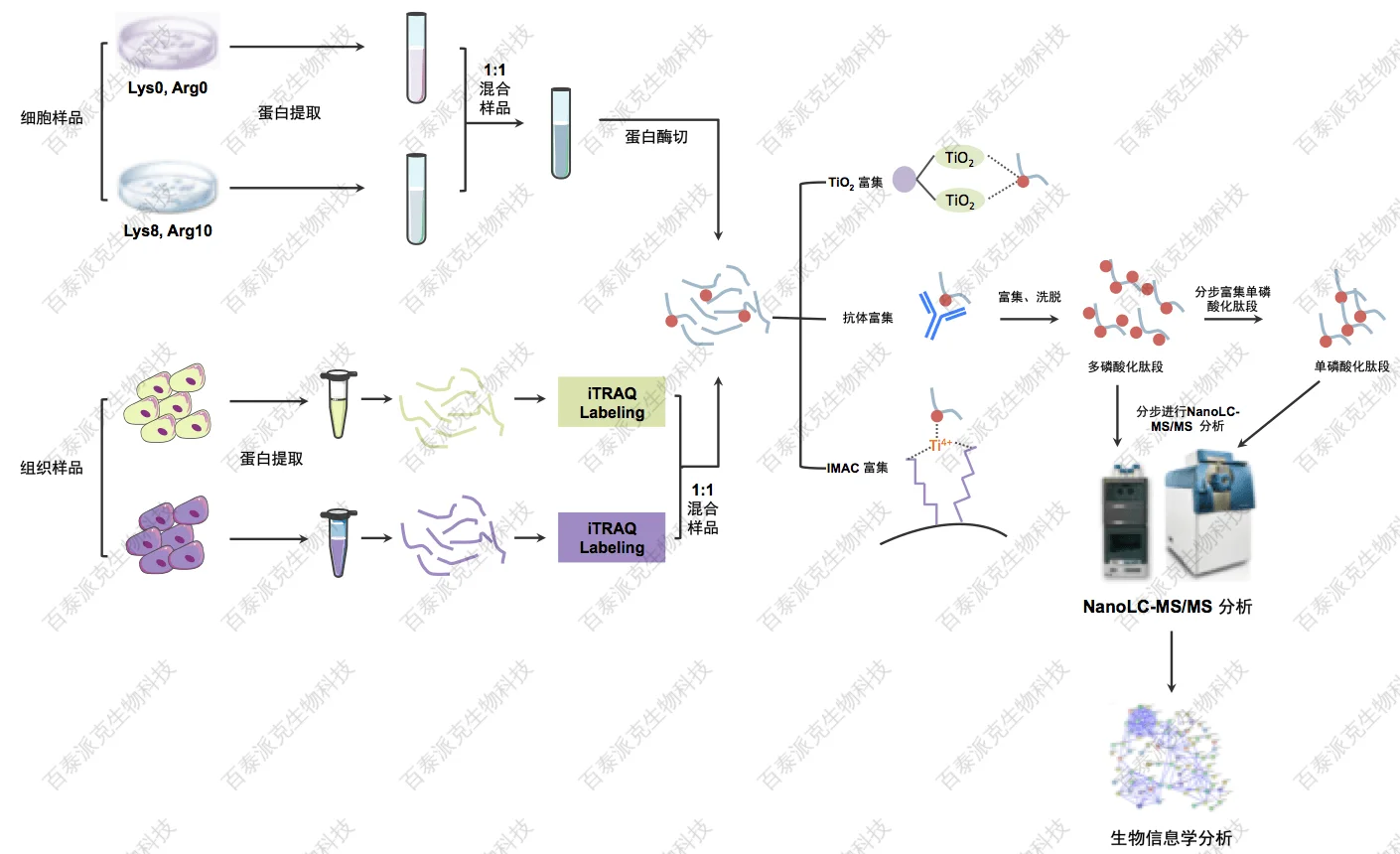
Figure 1
Although the identification and quantification of sulfated proteins remains a challenge, advancements in mass spectrometry offer the possibility to solve this problem. Through mass spectrometry, we can now gain deeper insights into the role of sulfated proteins in cell biology and their potential roles in diseases.
BiotechPack, A Biopharmaceutical Characterization and Multi-Omics Mass Spectrometry (MS) Services Provider
Related Services:
Histone Post-Translational Modification Analysis
Post-Translational Modification Proteomics Analysis
Phosphorylation Quantitative Proteomics Research
Acetylation Quantitative Proteomic Research
Ubiquitination Quantitative Proteomics Research
Glycosylation Quantitative Proteomics Research
How to order?




