






Using Protein Mass Spectrometry Results to Analyze and Interpret the Functional Network of Intracellular Proteins
Proteins are essential components of living organisms, playing various critical functional roles within cells. Understanding the composition, structure, and interactions of proteins is crucial for comprehending cell biology and developing innovative biopharmaceuticals. In this regard, proteomics technology has become a vital tool in the field of biopharmaceutical research due to its efficiency and accuracy. This article will provide a detailed introduction to the application of proteomics analysis in interpreting the functional networks of intracellular proteins.
1.Overview of Proteomics Technology
Proteomics technology is a method used to obtain information by analyzing the composition and properties of proteins in a sample. It is based on mass spectrometry instruments, which reveal protein characteristics by measuring the mass and relative abundance of protein molecules. Proteomics technology includes various analytical methods such as mass spectrometry profiling, proteomics, and protein quantification.
2.Importance of Proteomics Analysis
Proteomics analysis is the core aspect of proteomics technology, revealing the functional networks of intracellular proteins by interpreting mass spectrometry data. Through proteomics analysis, we can identify the composition, modifications, and interactions of proteins, thereby inferring their functions and the biological processes they are involved in.
3.Methods for Revealing Protein Functional Networks through Proteomics Analysis
(1) Protein Identification: Proteomics technology allows us to identify the types and quantities of proteins present in a sample. Mass spectrometry profiles provide information about protein molecular weight, amino acid sequences, and modifications, helping us determine the identity of proteins.
(2) Protein Modification Analysis: Proteomics technology can detect and identify various protein modifications such as phosphorylation, methylation, and glycosylation. These modifications have significant effects on protein function and regulation. Proteomics analysis allows us to reveal the types and locations of protein modifications, thereby understanding their roles and interactions within the cell.
(3) Protein Interaction Analysis: Proteomics technology can also be used to analyze interactions between proteins. By using specific experiments and analysis methods, such as affinity chromatography and yeast two-hybrid techniques, combined with proteomics technology, we can identify direct or indirect interactions between proteins, construct protein interaction networks, and understand the mechanisms of functional regulation within cells.
4.Application of Proteomics Analysis in Biopharmaceutical Development
Proteomics analysis holds significant application value in biopharmaceutical development. By analyzing proteomics data from biopharmaceutical samples, we can assess the purity, structure, and stability of biopharmaceuticals. Additionally, proteomics analysis can help us understand the interactions between biopharmaceuticals and host cells, thereby optimizing the efficacy and safety of biopharmaceuticals.
Proteomics technology and its analysis play a crucial role in deciphering the functional networks of intracellular proteins. By analyzing proteomics results, we can identify protein composition, modifications, and interactions, leading to a deeper understanding of the functional networks of intracellular proteins. Further research and application of proteomics technology will provide more opportunities and challenges for revealing cellular biology and disease mechanisms.
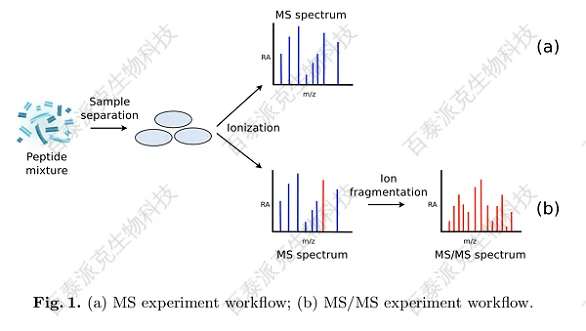
Figure 1
Bio-Techne - BiotechProductsCharacterization, leading service provider in multi-omics mass spectrometry testing
Related Services:
Peptide Mass Spectrometry Identification
Peptidomics Analysis
Peptide Sequencing
De Novo Peptide Sequencing
Peptide Purity Analysis
Molecular Weight Determination
Peptide Biomarker Identification
Protein Mass Spectrometry Identification
Shotgun Proteomics Identification
How to order?




