






Main types of histone modifications: Exploring the application and prospects of glycosylation identification in research
Histones are one of the most important proteins in the cell nucleus, playing a crucial role in maintaining genome structure and function. However, histones are not static; they can be modified through a series of processes to regulate gene expression and chromatin state. This article introduces the major types of histone modifications and explores the application and prospects of glycan profiling in research.
1. Acetylation Modification
Acetylation modification is one of the most common types of histone modifications. It changes the charge state of histones by adding acetyl groups, thereby affecting the structure and function of chromatin. Acetylation modification can promote chromatin relaxation, making gene transcription easier. Additionally, acetylation can interact with other types of modifications, forming a complex network of modifications.
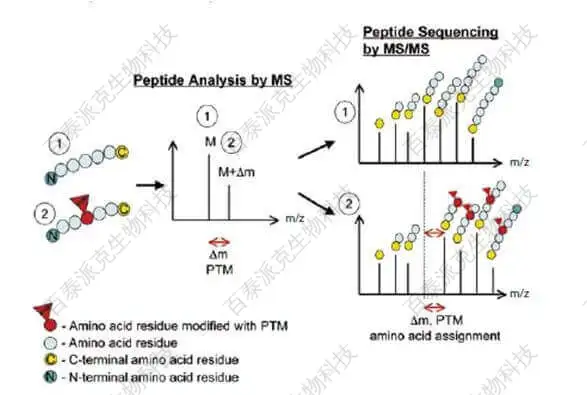
Figure 1
2. Methylation Modification
Methylation modification is another important type of histone modification. It alters the structure and function of histones by adding methyl groups. Methylation modification can affect the tightness of chromatin, thereby regulating gene expression. In some cases, methylation can also serve as a signaling marker involved in cell differentiation and development processes.
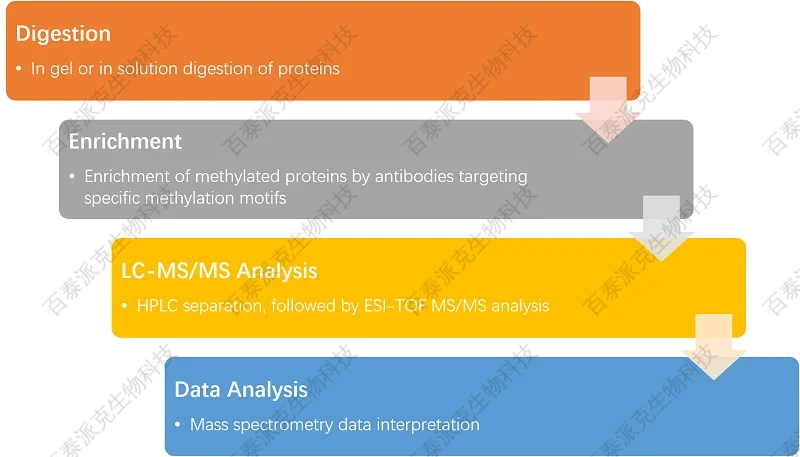
Figure 2
3. Phosphorylation Modification
Phosphorylation modification is a common type of histone modification. It changes the structure and function of histones by adding phosphate groups. Phosphorylation can affect the tightness of chromatin, thereby regulating gene expression. Additionally, phosphorylation can participate in cell signaling and regulation.
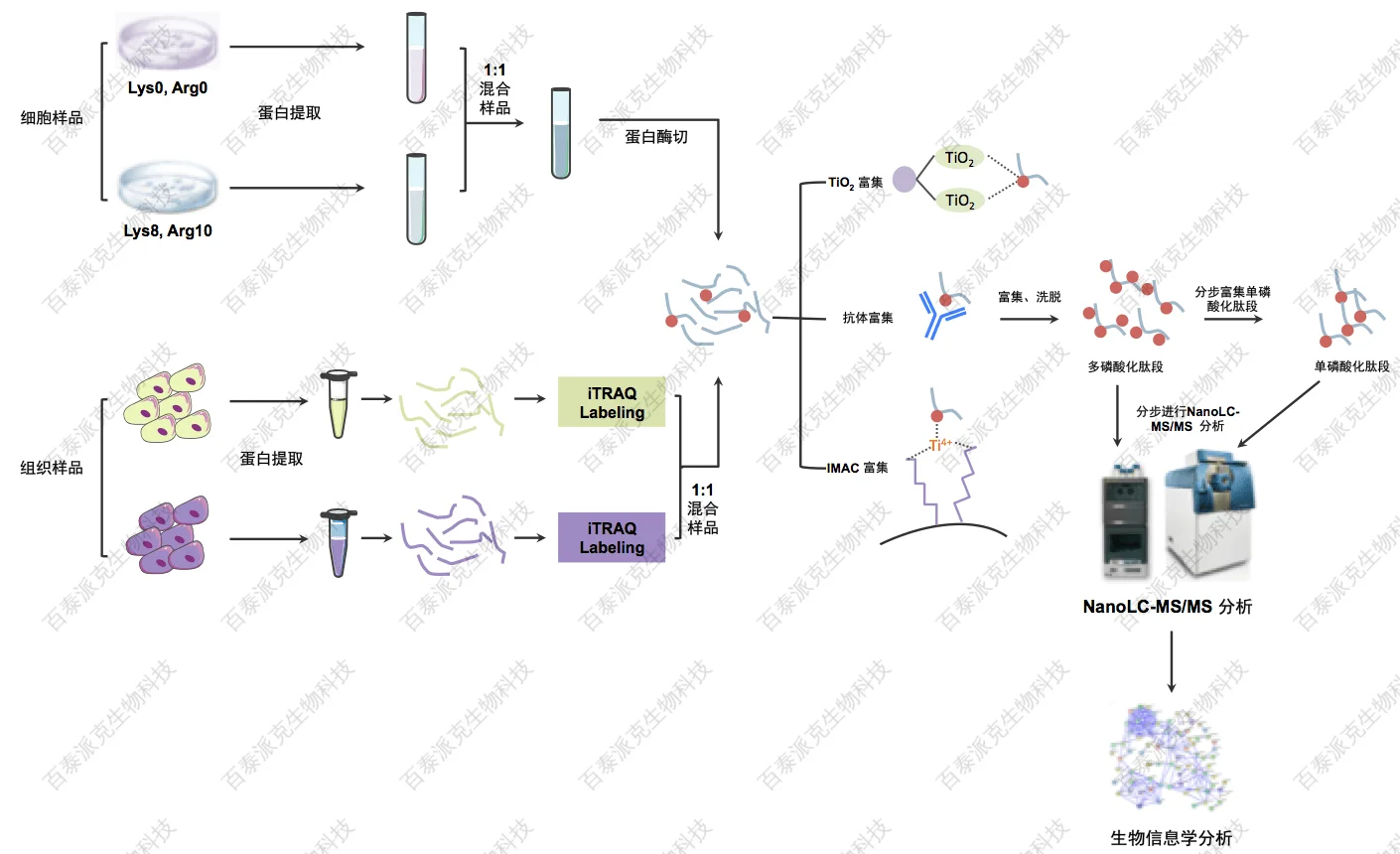
Figure 3
4. Ubiquitination Modification
Ubiquitination is a special type of histone modification. It changes the structure and function of histones by adding ubiquitin proteins. Ubiquitination can promote the degradation of histones, thereby regulating gene expression. Additionally, ubiquitination can participate in DNA repair and chromatin remodeling.

Figure 4
5. Application and Prospects of Glycan Profiling in Research
Glycan profiling is a method used to analyze histone modifications by detecting glycosylation on histones to understand their structure and function. Glycan profiling can help researchers gain deeper insights into the mechanisms of histone modifications and provide new ideas for drug development and therapy. In the future, as glycan profiling techniques continue to advance, we are expected to uncover more mysteries of histone modifications, bringing new breakthroughs to research and applications in the biopharmaceutical field.
The types of histone modifications are diverse, and each type plays an important role in regulating gene expression and chromatin state. Acetylation, methylation, phosphorylation, and ubiquitination are the main types of histone modifications, interacting and influencing each other to jointly regulate gene expression and cell function. Glycan profiling, as an emerging technology, provides a new avenue for understanding the mechanisms of histone modifications. Through the continuous development of glycan profiling technology, we are expected to reveal more secrets of histone modifications, bringing new breakthroughs to research and applications in the field of biopharmaceuticals.
Biotech Co., Ltd -- BiologicalProductsCharacterization, a quality service provider for multi-omics mass spectrometry detection
Related Services:
Methylation Quantitative Proteomics Research
Post-translational Modification Proteome Analysis
Histone Post-translational Modification Analysis
Quantitative Proteome Analysis
Targeted Proteomics
4D Proteomics
DIA Quantitative Proteomics
Label-Free Quantitative Proteome Analysis
Label-based Protein Quantification Techniques - iTRAQ, TMT, SILAC
MRM/PRM Quantitative Proteomics Analysis
How to order?




