






Quantitative Proteomics and Phosphoproteomics Joint Analysis
Quantitative proteomics and phosphoproteomics combined analysis is a method that comprehensively utilizes various bioinformatics and experimental techniques to study protein expression and phosphorylation states in cells or biological samples.
1. Quantitative Proteomics:
Quantitative proteomics typically uses mass spectrometry techniques, such as liquid chromatography-mass spectrometry (LC-MS). By digesting proteins in the sample into peptides and using a mass spectrometer to measure the mass spectrometric peaks of these peptides, the relative abundance of each protein can be determined. This can be used to compare protein expression levels under different conditions, such as between control and experimental groups.
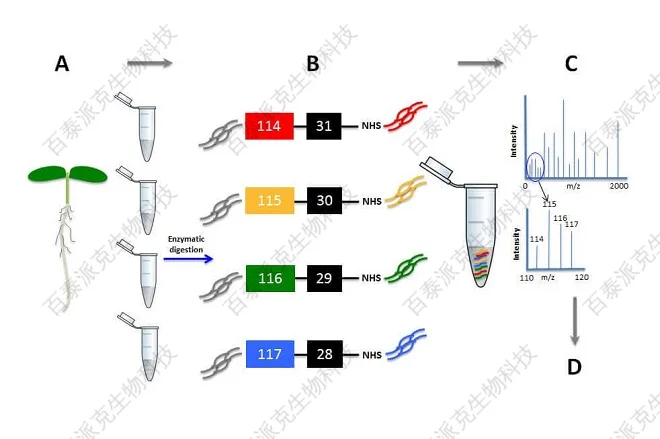
Figure 1. Quantitative Proteomics Analysis
2. Phosphoproteomics:
This is a method for studying protein phosphorylation states. Phosphorylation is a common form of protein modification that can regulate protein activity, stability, and interactions. Phosphoproteomics uses mass spectrometry to identify and quantify phosphorylation sites and determine which proteins are affected by phosphorylation.
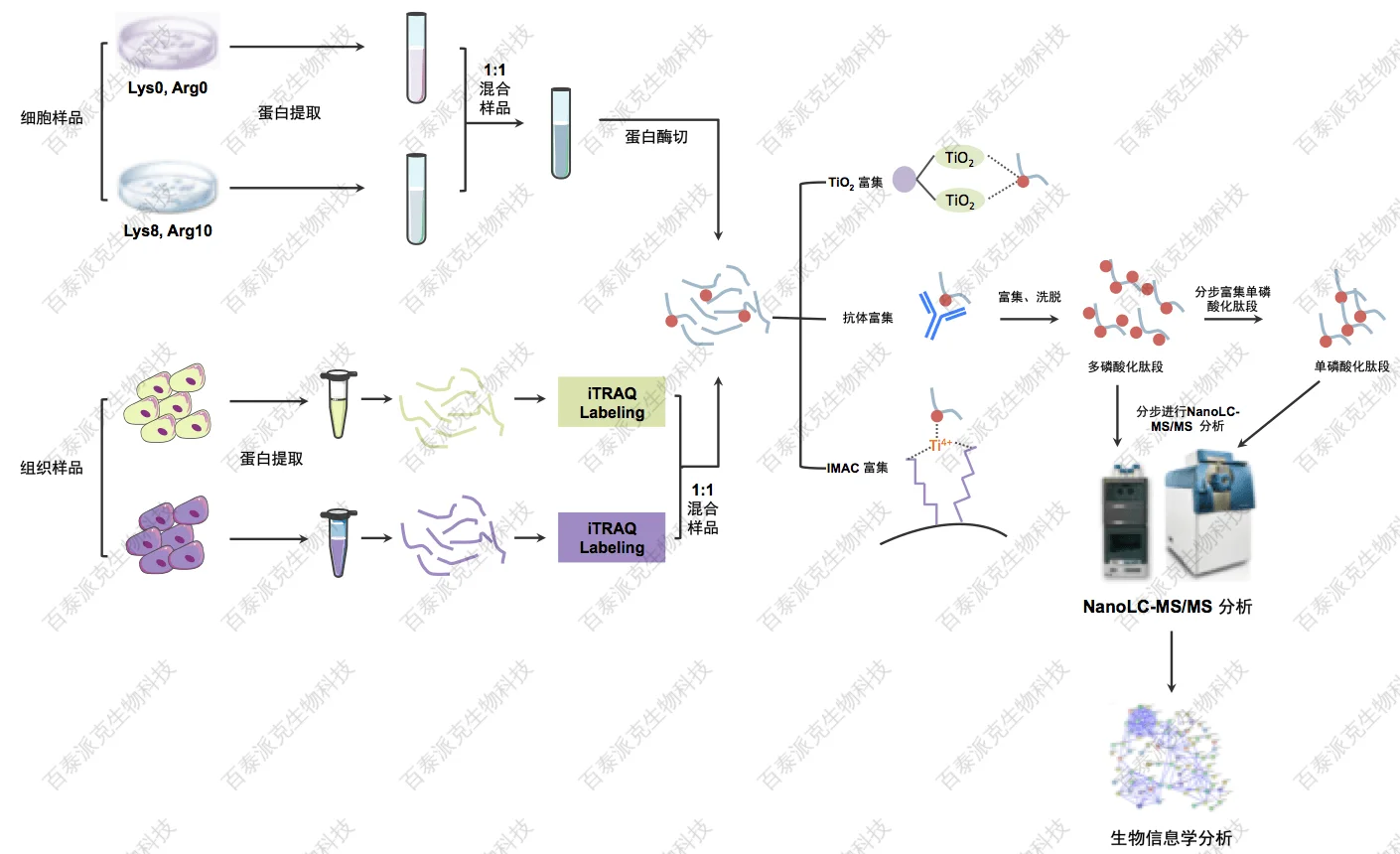
Figure 2. Phosphoproteomics Quantitative Analysis Workflow
This combined analysis typically includes the following steps:
-
Sample Preparation: Extract protein samples from cells or tissues.
-
Protein Digestion: Digest protein samples into smaller peptides for subsequent analysis.
-
Protein Quantification: Use mass spectrometry techniques, such as liquid chromatography-tandem mass spectrometry (LC-MS/MS), to quantify proteins in the sample.
-
Phosphorylation Site Identification: Use specific enrichment methods, such as affinity chromatography, to isolate and identify phosphorylated proteins or phosphopeptides.
-
Data Analysis: Use bioinformatics tools to analyze mass spectrometry data to identify changes in protein expression and phosphorylation events.
Additionally, comparing protein and phosphorylation patterns under healthy and pathological conditions can provide deep insights into the molecular basis of cell signaling, disease mechanisms, and drug actions, identifying potential biomarkers or therapeutic targets for diseases.
BiotechPack, A Biopharmaceutical Characterization and Multi-Omics Mass Spectrometry (MS) Services Provider
Related Services:
Tyrosine Phosphorylation Quantitative Proteomics Analysis
Multi-Pathway Phosphoproteomics
Post-Translational Modification Proteomics Analysis
Histone Post-Translational Modification Analysis
Quantitative Proteomics Analysis
Label-Free Based Quantitative Proteomics Analysis
Label-Based Protein Quantification Techniques - iTRAQ, TMT, SILAC
How to order?




